
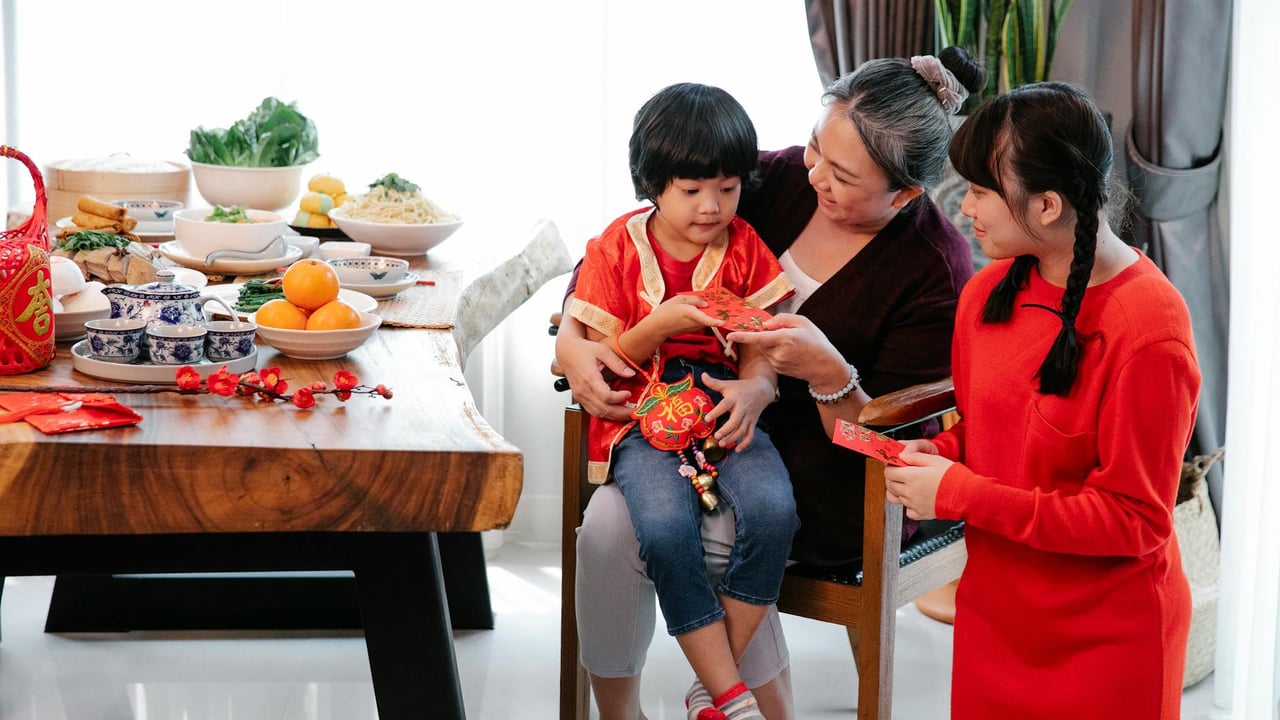

For many young Chinese, the Spring Festival has shifted from childhood delight to an annual stress test. Where earlier visits to relatives meant braided hair and red envelopes, today's gatherings frequently devolve into rounds of intrusive questions about income, marriage and children that many 1995–2005-born adults find intolerable.
Interviews with several 29-year-olds across China reveal a repertoire of coping strategies rather than a single cultural response. Some prepare stock answers and enlist parents to deflect sensitive questions; others deliberately keep busy, steer conversations toward relatives' lives, or simply avoid returning home. A few go further and attempt to "reverse-educate" older kin, gently explaining generational differences in values and constraints.
The behavioural shift is not merely personal inconvenience; it reflects deeper social and economic currents. Rapid urbanisation, persistent housing and childcare costs, changing labour-market demands and the normalisation of later marriage have produced lifestyles that older generations find hard to comprehend. At the same time, the one-child era and greater geographical mobility have weakened day-to-day ties with extended kin, turning ritualised visits into performative obligations.
Young people articulate a new calculus of filial piety that balances family connection against personal wellbeing. Several interviewees describe negotiating ‘‘rules of engagement’’ with parents—agreeing in advance how to handle probing relatives—or declining to attend some visits altogether. For many, preserving mental health and personal autonomy has become as important as preserving tradition.
The tactics deployed underline a pragmatic, rather than ideological, response: diversion, pre-emption and selective attendance allow younger adults to maintain important family links without submitting to what they perceive as coercive curiosity. Those who do confront elders often couch objections in deference, framing boundaries as mutual respect rather than rebellion. Such manoeuvres keep the ritual intact while changing its affective content.
These micro-practices have macro implications. If younger cohorts continue to rebalance family obligations and private life, the ceremonial density of holidays may decline even as underlying social networks remain useful—for emergency support, financial assistance or caregiving. The result is a partial, negotiated thinning of tradition rather than an abrupt fracture.
The friction also speaks to policy-relevant debates: fertility, eldercare and labour-market reform. Persistent questioning about marriage and childbearing is shot through with state-era expectations and social pressures that current economic realities make less tenable. As a result, households and communities will increasingly mediate social change through everyday rituals, adapting obligations to match new constraints.
Practically speaking, a market and civic response is already plausible: more digital greetings, scheduled family visits, holiday tourism packages aimed at couples seeking break from home, and counselling services to help families negotiate intergenerational tensions. Employers and local governments that acknowledge the changing nature of family life could also reframe holiday policies to ease the burden on younger workers.
For now, the Spring Festival remains a crucial social glue for many, but its emotional tenor is evolving. Younger Chinese are not abandoning family ties so much as demanding that participation be compatible with modern rhythms of work, migration and self-care. The outcome will shape not only how Chinese families mark the new year, but also how social obligations are negotiated across a society undergoing rapid economic and demographic transformation.