Google Prices Pixel 10A at $499, Doubling Down on Mid‑Market Push

Google has launched the Pixel 10A at $499, consolidating its strategy of using lower‑cost Pixel models to broaden consumer reach. The device underscores Google’s focus on software differentiation and on‑device AI as the primary lever in a fiercely competitive midrange smartphone market.

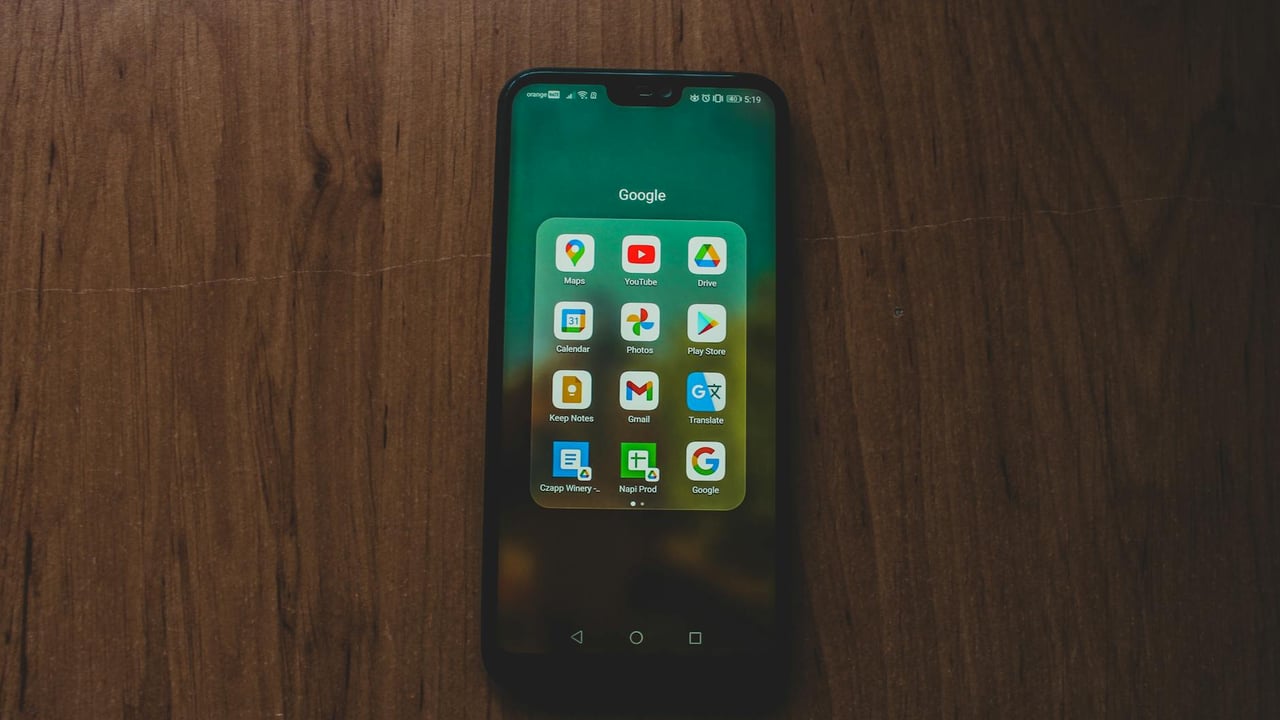
A smartphone showcasing various Google apps on a wooden table.

Key Takeaways

  • 1Google launched the Pixel 10A with a US price of $499, according to a NetEase post.
  • 2The Pixel A‑series targets buyers seeking flagship software and camera features at lower price points.
  • 3The device reinforces Google’s strategy to grow hardware presence and deepen ties to its software and services.
  • 4Success depends on delivering distinctive software/AI features amid stiff competition in the midrange segment.

Editor's
Desk

Strategic Analysis

The Pixel 10A launch is less about raw hardware specifications and more about ecosystem engineering. By offering flagship software experiences and early access to on‑device AI in a price‑sensitive package, Google aims to convert occasional Android users into long‑term customers of its services. If successful, that approach raises the stakes for OEMs that rely on Android licensing but cannot match Google’s integration of custom software, AI models and exclusive features. The broader implication is that the mobile market will continue to bifurcate: commodity hardware will be abundant, but control over software experiences and AI capabilities will determine winners — a dynamic that plays directly to Google’s strengths and commercial incentives.

China Daily Brief Editorial
Strategic Insight
China Daily Brief

Google has introduced the Pixel 10A smartphone with a US price tag of $499, aiming to sharpen its offering in the crowded mid‑market. The announcement, reported on Chinese social platform NetEase, marks the latest move in Google’s multi‑year effort to turn Pixel from a niche showcase for Android into a sustainable hardware business.

The A‑series has become Google’s principal vehicle for reaching a broader audience: a lighter, lower‑cost variant that takes software and camera features from flagship Pixels and packages them in cheaper hardware. At $499 the Pixel 10A sits in the upper midrange bracket, where buyers expect a balance of competent hardware, polished software and selective premium features rather than flagship performance.

For consumers, the key attraction remains Google’s software advantages—regular Android updates, camera processing and increasingly, on‑device AI capabilities that the company has been integrating across Pixel devices. For rivals, the launch is a reminder that Google continues to use price‑tiered hardware to embed its services, shape user experience and, ultimately, steer the Android ecosystem toward features that favor its software stack.

Strategically, the Pixel 10A helps Google in several ways: it widens the funnel of users who experience Google’s hardware‑software integration, potentially strengthens loyalty to the Play Store and other services, and provides a more defendable position against value‑oriented competitors from Samsung, Xiaomi and OnePlus. The phone’s success will hinge not just on price but on whether Google can make the Pixel identity synonymous with pragmatic, AI‑enhanced value at scale.

Share Article

Related Articles

📰
No related articles found