
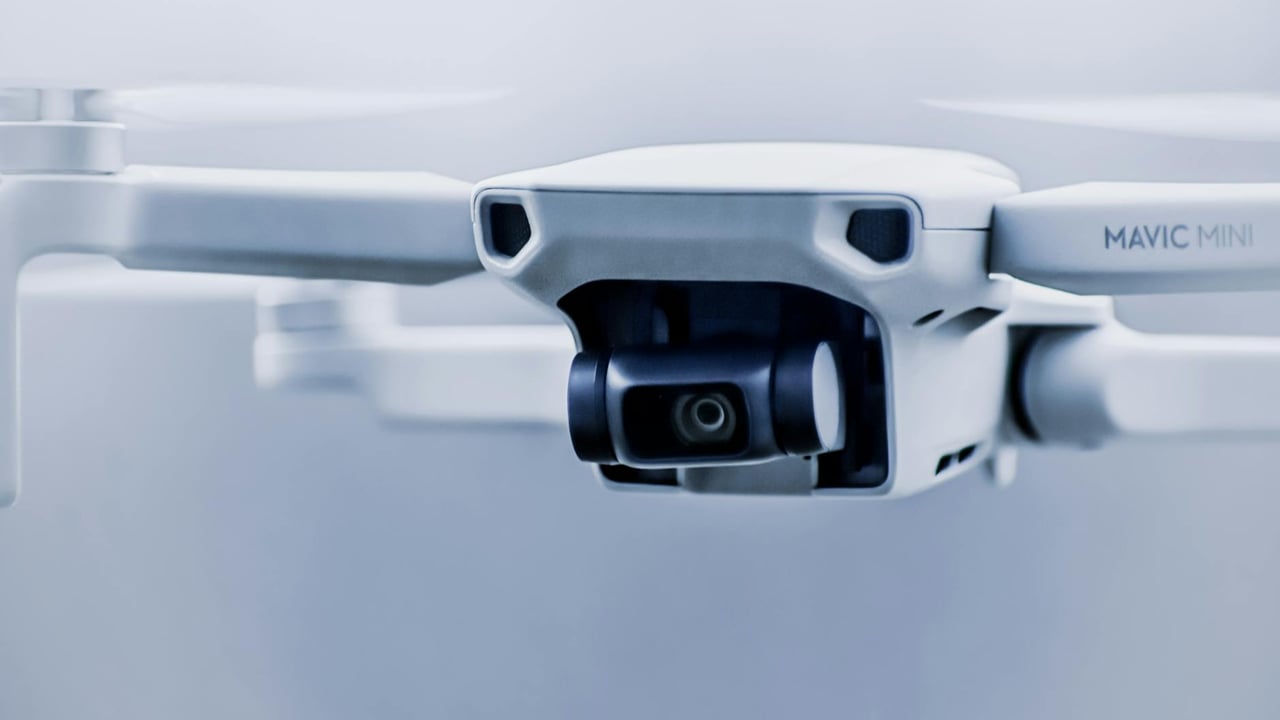

China’s navy has taken a fresh step to counter a fast‑evolving threat at sea: swarms of unmanned aerial vehicles. State coverage of exercises aboard the 10,000‑ton class destroyer Lhasa describes a “whole‑ship” anti‑unmanned warfare deployment that stitched sensors, weapons and crew procedures together to repel simulated drone attacks.
The drill was framed as a capability upgrade rather than a single test: commanders sought to accelerate the iteration of tactics and equipment for what they called “new‑quality” combat scenarios. The emphasis was on integration—early warning, layered kinetic and non‑kinetic effects, and shipboard coordination so that every department can contribute to detection, identification and defeat of multiple small, cheap threats.
This focus reflects lessons learned from recent conflicts and maritime incidents worldwide, where small drones and autonomous systems have been used to harass larger surface combatants, disrupt logistics and exploit gaps in air defenses. Navies face a twofold problem: inexpensive unmanned platforms can be fielded in numbers, and civilian drone technologies are proliferating rapidly, compressing the time available to develop and deploy countermeasures.
Technically, effective anti‑unmanned warfare at sea blends electronic warfare and cyber suppression with kinetic interceptors and close‑in weapon systems, backed by proactive rules of engagement for identification and escalation. Ships also need sensor fusion to separate decoys and background clutter from genuine threats, and crews trained to manage saturation attacks that stress command and control.
Strategically, the Lhasa’s new posture speaks to the People’s Liberation Army Navy’s broader push to harden its surface fleet against asymmetric risks as it pursues higher readiness for regional contingency operations. A more resilient destroyer force increases survivability for escort missions, amphibious operations and the protection of logistics lines, particularly in congested littorals where small drones are most effective.
But capability announcements are only part of the story: real‑world effectiveness will depend on how these systems perform under contested conditions, how they are networked across a task force and how adversaries adapt. As unmanned systems continue to evolve, navies will face a continual cycle of measure and countermeasure that reshapes tactics, procurement and international norms governing the use of autonomous weapons at sea.