
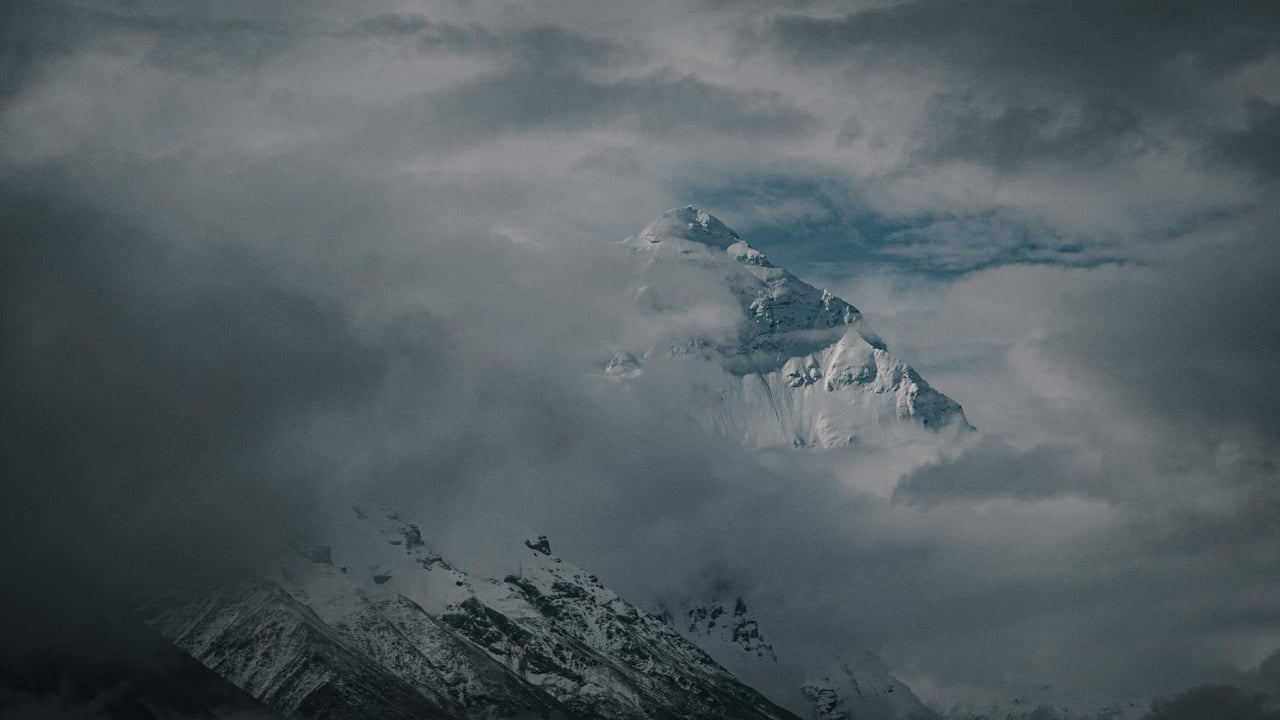

A small patrol files out before dawn and climbs into air so thin it seems to steal breath. They have driven as far as vehicles can go, then shouldered packs weighing more than 30 kilograms and walked for five hours across glaciers, frozen rivers and wind-scoured ridges to reach a mountain pass at roughly 6,000 metres. The men are members of a “high‑plateau border model” battalion stationed on the northern slopes of the Himalaya, where sparse population and brutal weather combine to make simple tasks into tests of survival.
One of the patrol’s most experienced men is Sergeant Xia Dajian, who left a teaching post in Yunnan and enlisted eleven years ago after a cousin was killed in the 2014 Ludian earthquake. Xia’s background as a long‑distance runner has become operational experience: he drills breathing routines for teammates, telling them to breathe once for every step to blunt hypoxia and persevere through the critical three‑minute ‘extreme point’ that can overwhelm the unaccustomed.
High altitude changes every calculation. Every 100 metres of ascent increases the risk of oxygen deprivation and exhaustion; snow melts into treacherous sheets of ice covering dark, rushing rivers; winds can reach force‑11 levels that make standing impossible. Xia recalls an observation mission at 5,300 metres when gusts forced his team to lie down and stuff stones into their coats to weigh themselves down. He says more than once the patrols have come close to disaster.
Logistics and morale matter as much as individual grit. The unit’s cook, Zhao Ziming, joined the battalion nine years ago with no kitchen experience and now heads the mess for patrols. At 6,000 metres, boiling a simple bowl of noodles becomes difficult because of low air pressure and thin oxygen; Zhao adapts by pre‑cooking meat and vegetables, using a cartridge stove in sheltered spots and relying on self‑heating rations when wind makes open cooking impossible. Hot food, he insists, is a rare comfort that restores energy and keeps men moving.
Tactical discipline extends to small, unglamorous details. Patrols switch from vehicles to foot where roads end, and squads are organised so that a rear guard—here exemplified by nine‑year veteran Danzeng Duoji—keeps stragglers from falling behind on thin ice and steep slopes. The routine of repeated patrols, improvised solutions and hard‑earned local knowledge is what veterans say keeps them alive and keeps the frontier observed.
For international observers, these human stories illuminate two converging trends. First, China continues to invest in high‑altitude readiness across the plateau: the People’s Liberation Army trains troops in cold‑weather mobility, acclimatisation and sustainment to operate where mechanised logistics are limited. Second, Beijing uses visceral tales of endurance to reinforce domestic narratives about sacrifice and sovereignty in remote borderlands, showing citizens a physical embodiment of state presence where civilian infrastructure is thin.
The patrols raise operational questions. Sustaining forces at such elevations requires specialised equipment, improved medical evacuation capacity and resilient supply lines; even more, new technologies—drones, long‑range sensors and remote communications—can reshape how perimeter observation is done but do not replace the human element in complex terrain. For rivals and partners watching the plateau, the message is both practical and symbolic: the Chinese state is prepared to invest people and ingenuity in maintaining an active presence on its high frontiers.
Whatever the strategic calculations, the blunt fact remains that these missions are physically punishing and psychologically demanding. For soldiers such as Xia and Zhao, routine patrols at 6,000 metres are an everyday expression of duty. Their stories matter not only because they demonstrate capability but because they reveal the human limits and adaptations behind a broader national posture along China’s mountainous borders.