
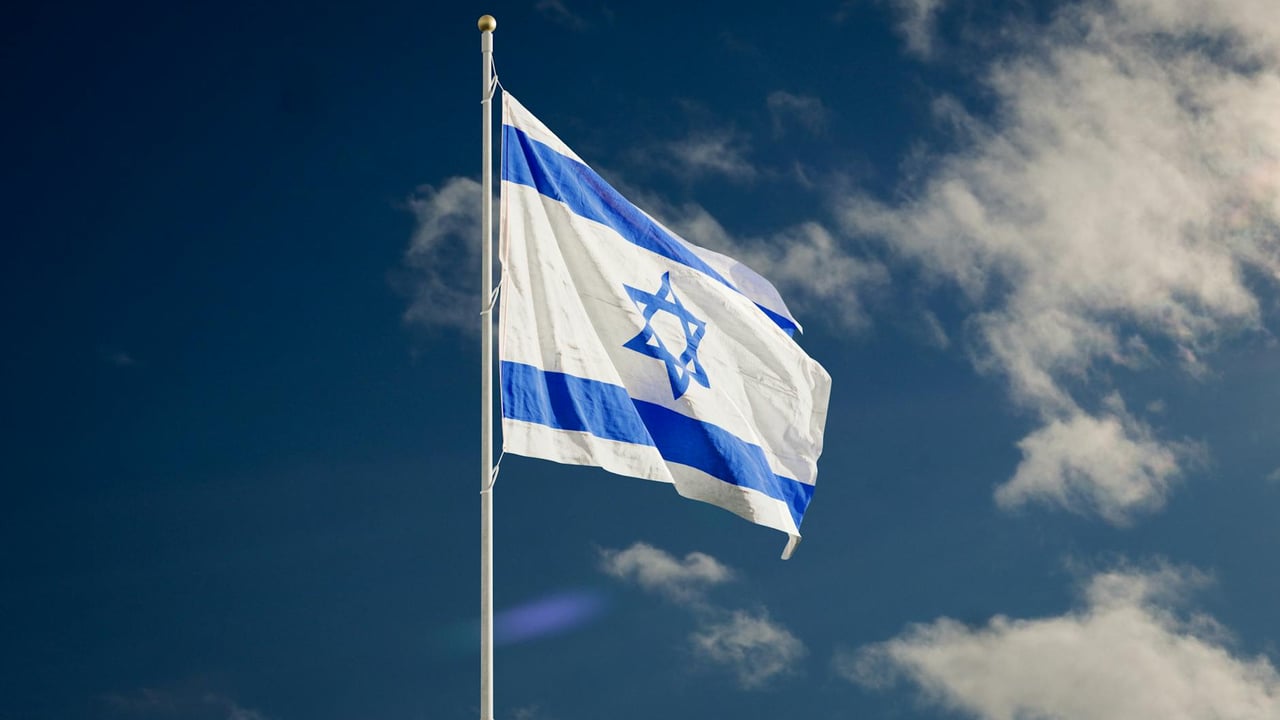

Politico published an exclusive on 25 February revealing that some senior advisers to President Donald Trump privately preferred that Israel launch an initial strike on Iran, anticipating an Iranian retaliatory attack that would provide political cover for subsequent U.S. military action. The sources told the outlet that the calculation was explicitly political: a foreign-initiated salvo would make it easier to win American public support for strikes that otherwise risked U.S. casualties and electoral backlash.
The White House pushed back with a terse comment from press secretary Anna Kelly, who told reporters the media may continue to speculate about the president’s thinking but “only President Trump himself knows what he may or may not do.” Israel’s embassy in Washington declined to comment, and Iran had not publicly responded to the allegation at the time of publication.
The revelations come against a backdrop of heightened rhetoric and fragile diplomacy. Israeli Prime Minister Benjamin Netanyahu has warned that Iranian retaliation against Israel following any U.S. strike would be a grave mistake and vowed a crushing response, while Iranian Foreign Minister Ali Bagheri Araghchi, preparing for nuclear talks in Geneva, dismissed some U.S. claims about Iranian missile developments as “fake news” and said Iran remained willing to seek a fair agreement.
U.S. public opinion complicates the issue. Recent polling shows Americans—especially Republican voters—want tougher outcomes for Tehran, including regime change in some quarters, but they remain reluctant to support military operations that could result in U.S. casualties. That reluctance, the aides reasoned, makes a politically catalyzing Iranian attack more valuable than initiating strikes directly from Washington.
Strategically, the idea of encouraging or hoping for an allied first strike highlights several risks. A proxy or allied attack that draws the United States in would not only raise legal and moral questions about manufactured pretexts for force, it would also make escalation dynamics more difficult to control. The region’s patchwork of state and non-state actors could rapidly broaden hostilities, threatening energy markets, shipping in the Gulf, and allied cohesion.
Diplomatically, the alleged preference for an allied first strike undercuts declared U.S. commitments to negotiate. Iranian officials are heading to Geneva for new nuclear talks, and any appearance that Washington—or its friends—was engineering a casus belli would weaken American leverage at the table and stiffen Tehran’s domestic resistance to compromise.
For Washington’s partners, the episode poses uncomfortable dilemmas. Israel publicly emphasises its close coordination with U.S. security services, but acting independently to give the United States political cover would risk fracturing U.S.-Israeli unity and exposing Israel to greater immediate retaliation. Other regional actors, including Gulf states and Russia, would be forced to recalibrate their own risk assessments.
Whatever the factual reach of the Politico story, the disclosure is consequential in itself: it reveals how domestic political calculations can shape the contours of high-stakes foreign-policy decisions, and how the desire to avoid American casualties can paradoxically increase the likelihood of conflict by encouraging actions that invite retaliation. The result would be a perilous mixture of tactical benefit and strategic risk for Washington, Jerusalem and Tehran alike.