
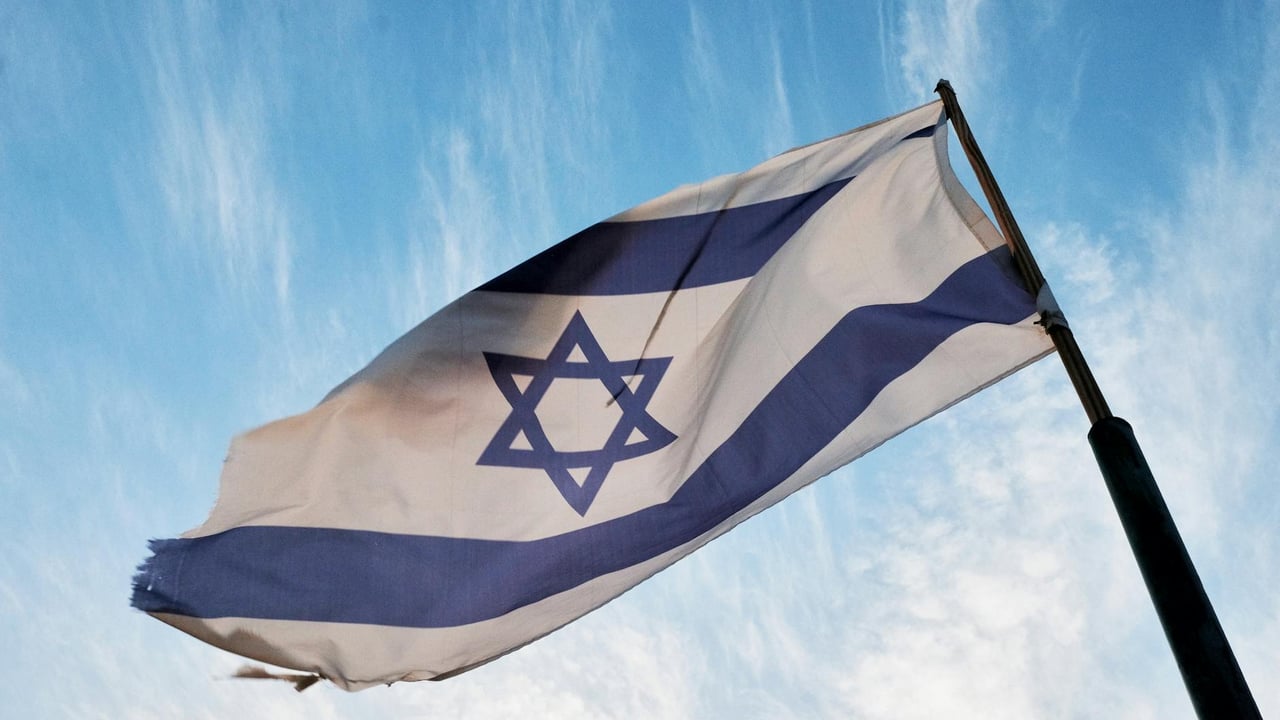

A Politico exclusive published on February 25 said that two people with knowledge of internal deliberations told the outlet some senior advisers to President Donald Trump privately preferred that Israel strike Iran first, prompting an Iranian rebuttal that could provide political cover for subsequent U.S. military action. The story ignited swift denials and cautious comment: White House spokeswoman Anna Kelly told reporters that only the president knows what he will do, Israel’s embassy in Washington declined to comment, and Iran had not immediately responded.
The rationale described by the officials was bluntly political. They argued that a first strike by Israel followed by Iranian retaliation would make it easier to win American public support for a U.S. response, addressing a perennial problem for administrations that contemplate force but fear domestic backlash if American lives are lost. Recent polling cited by the report shows Americans—especially Republican voters—may favor tougher outcomes for Tehran but are reluctant to accept American casualties, so public opinion is a critical constraint on military planners.
The revelations came against a backdrop of increasingly hawkish public rhetoric. On February 23 Prime Minister Benjamin Netanyahu warned that if Iran attacked Israel in response to U.S. strikes, Tehran would commit a "most serious error" and would be met with retaliatory force of an "unimaginable" scale. Netanyahu also emphasised that Israel’s relationship with the United States was closer than ever, underscoring intense operational and political ties between the allies.
At the same time, Iran’s senior negotiator, deputy foreign minister and chief nuclear talks official Abbas Araqchi, pushed back against U.S. claims about Iranian missile capabilities as "fake news" and reiterated his intention to meet U.S. representatives in Geneva on February 26 for a new round of nuclear discussions. Araqchi said a fair and balanced deal remained possible, while reminding interlocutors that past negotiations were shadowed by military actions from both Israel and the United States.
The reported preference among some U.S. officials for an Israeli first strike, even if framed as a tactical or political convenience, raises several risk factors. It creates an incentive structure that could encourage unilateral Israeli action or closer coordination that blurs the line between allied use of force and proxy initiation. That line matters legally and politically: a strike perceived as orchestrated by Washington but carried out by an ally could complicate claims of self-defence and expose the administration to accusations of manufacturing a casus belli.
Officials cited in the report nonetheless judged that a U.S.-Israeli combined operation remained the likeliest outcome, not a purely unilateral Israeli action. Even so, the conversation reveals how domestic political calculations can become entangled with operational planning, especially when leaders worry that the public will not tolerate casualties without a clear and immediate provocation. The timing is delicate: military moves during active or imminent diplomacy risk derailing negotiations that American and Iranian officials say remain possible.
What to watch next is straightforward: any signs of Israeli operational preparations, shifts in U.S. force posture in the region, public statements from the Pentagon and State Department, and the outcome of the Geneva talks. The episode also illustrates a broader strategic dilemma for Washington—balancing deterrence and regional influence without setting incentives that increase the chance of miscalculation and uncontrolled escalation.