
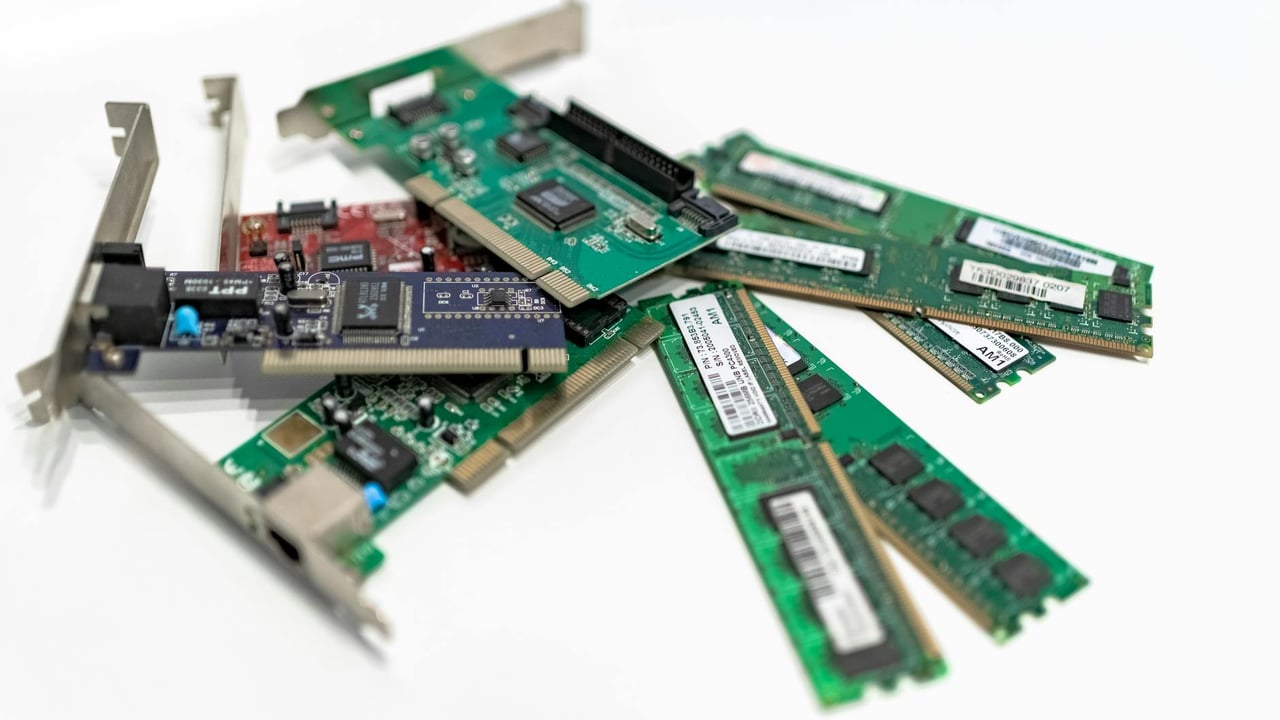

A new industry forecast expects a sharp contraction in global smartphone shipments this year as a severe shortage of memory chips ripples through the supply chain. Shipments are projected to fall to roughly 1.1 billion units from about 1.26 billion last year, a hit concentrated among lower-cost Android brands that depend on thin margins and commodity fast-turn inventory.
The root cause is a surge in high-end memory demand for servers and AI accelerators. Memory modules used to support large language models and other AI workloads have gobbled up a significant share of global wafer output, leaving consumer devices short of DRAM and NAND supply. The supply squeeze is not temporary, with industry observers expecting tightness to persist through 2027 as data-centre appetite for memory continues to climb.
The immediate commercial consequence is stark: contract prices for DRAM are forecast to jump between 90% and 95% quarter-on-quarter in the first quarter, while NAND flash contract prices are expected to rise 55%–60% over the same period. Such increases will widen the cost base for smartphone makers at a time when lower-tier devices already operate on wafer-thin margins, squeezing profitability or forcing compromises in storage capacity and device features.
That pressure will accelerate market polarisation. Premium device makers with strong brand pricing power and diversified supply chains will be better placed to pass costs to consumers or to secure preferential allocations. Smaller Android vendors, which compete primarily on price and depend on standard memory components, face the prospect of margin compression, delayed launches or shrinking volumes.
The memory-price surge also changes strategic incentives across the industry. Component suppliers and cloud players capture near-term windfalls; handset firms may accelerate vertical initiatives (such as in-house storage optimisation), shift product mixes toward higher-margin models, or reconfigure inventories to prioritise profitable SKUs. In aggregate, the industry may see higher average selling prices for smartphones, slower replacement cycles among price-sensitive buyers, and a reordering of supplier relationships.
For consumers and markets the implications are twofold: in the short term, device availability and promotional discounts may dwindle as makers prioritise profitable or flagship models; over the medium term, the dynamics of AI-driven memory demand could permanently alter the economics of consumer electronics. Policymakers and corporate strategists should watch memory supply allocation closely — the winners will be those who move fastest to secure supply, reprice intelligently, or redesign products to use memory more efficiently.