
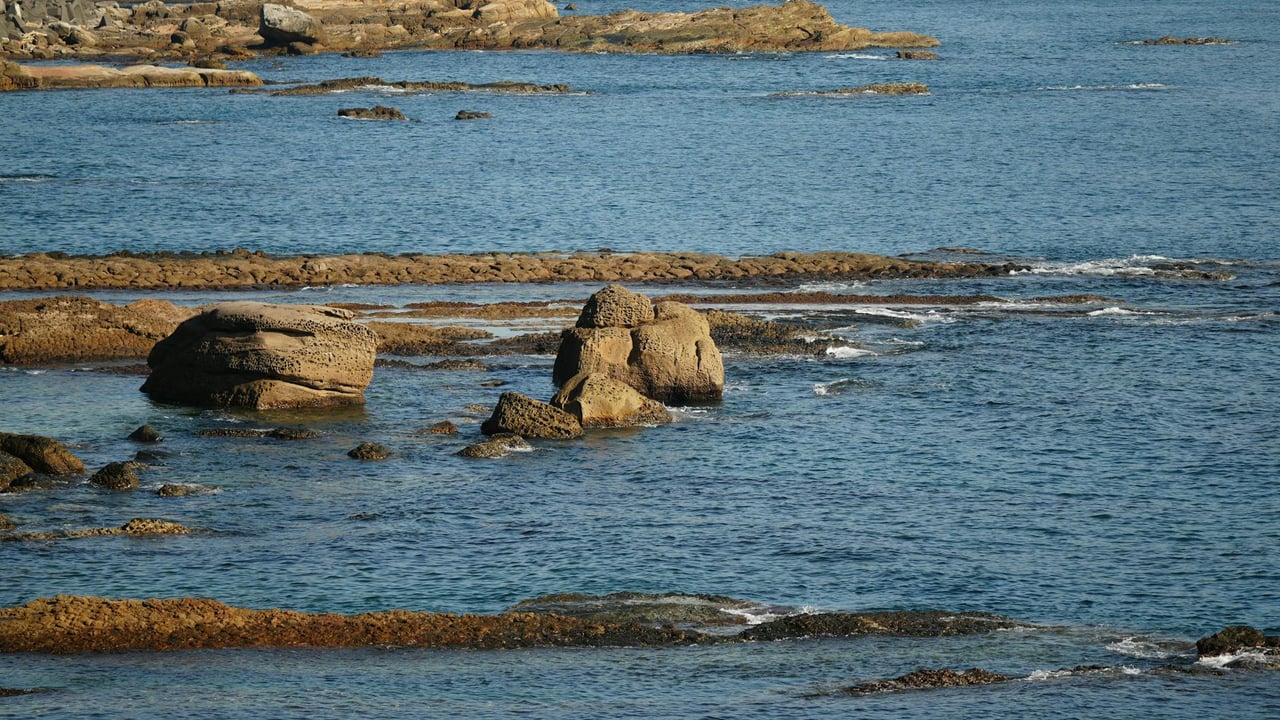

A line of debris that washed up on a Keelung beach has reignited accusations that parts of Taiwan’s navy routinely dump waste at sea. A social-media post on February 26 showed litter collected by locals that included what users identified as service badges and even a personal seal alleged to belong to personnel from the navy’s 131st Fleet.
Photos circulated earlier in the week that users said showed a ship’s captain’s badge inscribed with a name rendered in Chinese as “Yu Jun-ting,” a naval cap, and other items such as paint cans and a preventive medicine manual. Islanders who gathered and posted the material argued the objects came from vessels assigned to the Keelung base and contended the finds represented a recurring pattern rather than an isolated lapse.
The navy’s fleet command acknowledged the items and said the material was part of the same batch previously collected, blaming incomplete shoreline clean-ups and northeast monsoon currents for the reappearance of debris. That explanation has not satisfied many online commentators, who accused the service of poor discipline and grafting the episode onto broader grievances about routine environmental indifference by military units.
Beyond the immediate embarrassment, the incident highlights concrete environmental and public-health concerns: batteries and paint cans pose pollution risks and require controlled disposal, while identifiable insignia or personal seals raise questions about accountability and record-keeping within units. Taiwan’s armed forces, which still rely on a mix of conscripts and professional personnel, face chronic pressure to improve logistics, training and adherence to civilian regulatory standards.
The affair also carries a political dimension. In an era of heightened cross-strait tension, episodes that suggest institutional laxity in the armed services complicate efforts to shore up public confidence in defence readiness. Expect calls for a formal investigation, tighter waste-management protocols, and more transparent public reporting from the navy to blunt both environmental criticism and political exploitation of the story.