
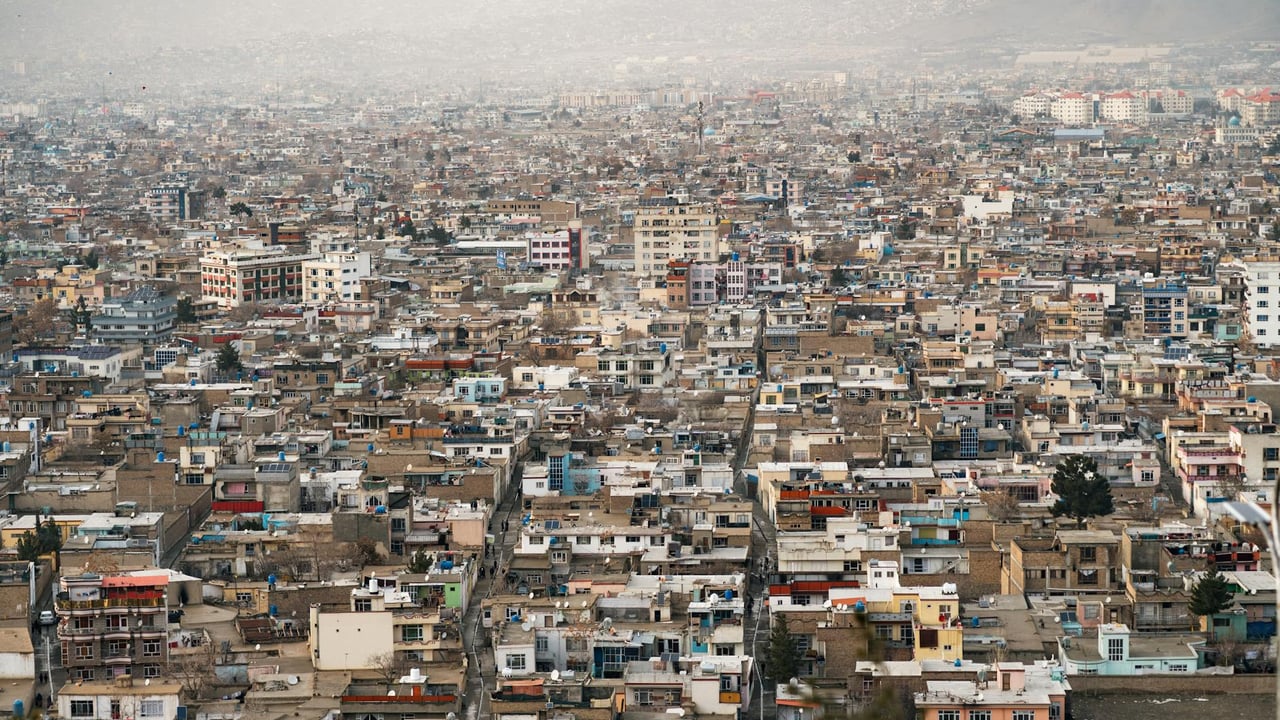

Pakistan's security apparatus published a video on February 27, 2026, asserting that it depicted an airstrike on Afghanistan's capital. The release, circulated by state-linked outlets, framed the footage as evidence of a precision strike against militant targets across the border.
There is no independent verification of the video's provenance or the events it purports to show. International monitors and independent media have not yet confirmed casualties, target identities, or the time and place depicted, leaving open questions about whether the material documents a recent cross-border attack, older footage, or staged imagery.
The claim comes against a backdrop of persistent cross-border friction. Islamabad has long accused groups such as the Tehrik-e-Taliban Pakistan (TTP) and other insurgents of operating from Afghan soil, and Islamabad has previously carried out limited cross-border operations — some covert, some openly acknowledged — to target militant sanctuaries.
Since the Taliban's return to power in Kabul in 2021, Pakistan-Taliban ties have been complex and transactional: both cooperative and competitive at different moments. A Pakistani security agency broadcasting imagery of an attack on the Afghan capital is therefore not just an operational claim but a political signal, testing how far Pakistan will go to impose pressure and how the Kabul authorities will respond.
The episode raises immediate diplomatic and legal questions. Cross-border strikes that target another state's capital, if confirmed, would constitute a serious breach of sovereignty and risk drawing international rebuke. They would also complicate Pakistan’s relationships with regional stakeholders — including China, which has large investments in Pakistan, and other actors concerned about spillover instability.
Domestically, the video serves multiple functions for Islamabad. It reassures an anxious Pakistani public and political elite that the state will act against perceived threats, and it frames the narrative in terms of counterterrorism necessity. But broadcasting such claims without independent corroboration risks inflaming domestic nationalism while exposing Pakistan to accusations of misinformation or disproportionate use of force.
For Kabul, the implications are acute. If the Taliban government judges the footage to be genuine, it faces a choice between protesting loudly — risking escalation — and limiting its response to diplomatic channels to avoid confrontation. Either path will test the Taliban’s appetite for confrontation with a powerful neighbour that has significant leverage over trade, refugees, and regional diplomacy.
The wider strategic fallout could be significant. A confirmed cross-border strike on Kabul would heighten tensions across South and Central Asia, increase the risk of tit‑for‑tat reprisals by non‑state actors, and complicate multilateral efforts to stabilise Afghanistan. The international community will watch for independent verification, official Pakistani operational details, and Kabul’s response as indicators of whether this episode represents a one-off message or the start of a new pattern of cross-border coercion.