Moore Threads Sees Revenue Surge on AI GPU Demand, Losses Narrow as MTTS5000 Goes into Mass Production

Moore Threads posted a 243% jump in 2025 revenue to RMB 1.506 billion while reducing its net loss to RMB 1.024 billion. The company has launched and begun mass production of the MTTS5000, a training‑and‑inference GPU, benefitting from rising AI demand but still facing hurdles to profitability and ecosystem adoption.

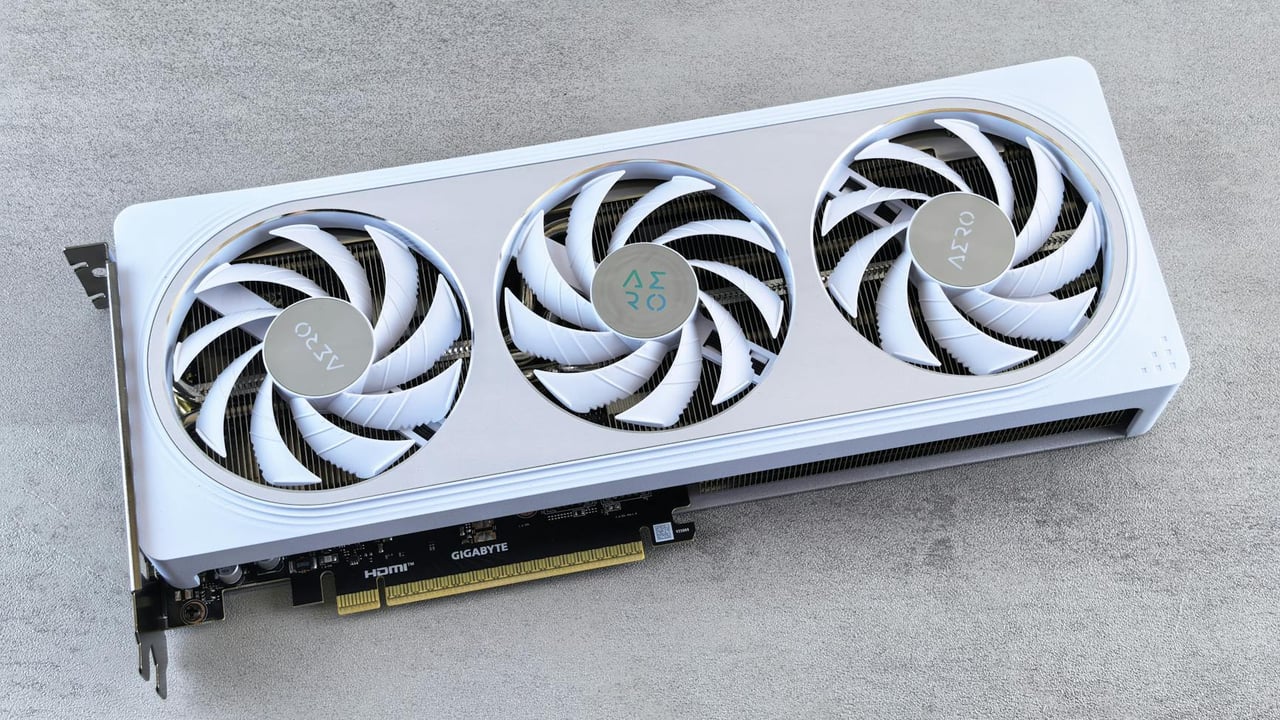
Stylish white graphics card with three cooling fans on a neutral background, ideal for tech enthusiasts.

Key Takeaways

  • 12025 operating revenue rose 243.37% to RMB 15.06 billion yuan (RMB 1.506 billion).
  • 2Net loss attributable to the parent narrowed to RMB 1.024 billion from RMB 1.618 billion a year earlier.
  • 3Moore Threads launched the MTTS5000, a flagship full‑function GPU for training and inference, now in scaled production.
  • 4Revenue and gross profit improved thanks to stronger product competitiveness and market recognition amid booming AI demand.
  • 5Sustained profitability depends on scale, software/ecosystem integration, and secure access to advanced manufacturing supply chains.

Editor's
Desk

Strategic Analysis

Moore Threads’ results mark a constructive step for China’s ambition to build indigenous high‑performance AI hardware. The combination of a flagship training GPU and mass production indicates technological progress, but the economics of chip firms are unforgiving: reaching break‑even will hinge on expanding sales into cloud and enterprise contracts, broadening software compatibility, and securing node and packaging supply amid geopolitical trade restrictions. If Moore Threads can convert product credibility into long‑term procurement agreements with hyperscalers or state‑backed data centres, it could meaningfully reduce China’s dependence on Western GPUs; if it cannot, the company risks remaining a niche supplier in a capital‑intensive market dominated by entrenched players.

China Daily Brief Editorial
Strategic Insight
China Daily Brief

Chinese GPU maker Moore Threads reported a dramatic revenue rebound for 2025, driven by surging demand for high‑performance processors in the AI boom. The company posted operating revenue of RMB 1.506 billion, a 243% year‑on‑year increase, while narrowing its net loss to RMB 1.024 billion from RMB 1.618 billion the previous year.

Management attributed the improved top‑line and gross‑profit performance to accelerated product development and market acceptance after launching the MTTS5000 — a full‑function GPU designed for both training and inference. The firm says the MTTS5000 has reached market‑leading performance levels and entered scaled production, a milestone that the company frames as validation of its architecture and commercial viability.

The results are important in two connected ways: they reflect the immediate pull of AI workloads on GPU demand, and they underscore China’s intensifying effort to build a domestic high‑performance GPU supply chain. Moore Threads is one of a handful of Chinese firms attempting to move beyond inference‑only chips to fully capable training GPUs, an area long dominated by foreign rivals such as Nvidia and, to a lesser extent, AMD.

Yet sizable challenges remain. Despite the revenue jump, Moore Threads is still loss‑making, and translating product wins into sustainable profitability will require steady scale, robust software and ecosystem support, and access to advanced manufacturing inputs. The company will also have to fend off incumbents and prove that its cards can be integrated by cloud providers, data‑centre operators and software frameworks at scale.

For international observers, Moore Threads’ progress is a useful barometer of how quickly China’s domestic GPU sector can close performance and ecosystem gaps. The firm's mass production of a training‑capable GPU suggests accelerating capability, but commercial traction in data centres and among AI developers will be the true test of whether China can reduce reliance on Western suppliers for high‑end compute.

Share Article

Related Articles

📰
No related articles found