

OpenAI announced a staggering $110 billion private funding round on Feb. 27, lifting its pre-money valuation to about $730 billion. Amazon committed $50 billion, Nvidia and SoftBank each pledged $30 billion, and OpenAI said the deal remains open to additional investors. The scale of the capital and the involvement of hyperscalers and chipmakers signal a new phase in the commercialisation and industrialisation of generative AI.
The package is both financial and strategic. Amazon paired its investment with a multi-year strategic partnership that makes AWS the exclusive third‑party cloud distributor for OpenAI’s enterprise platform, Frontier, and expands an existing AWS commitment—previously around $38 billion—by an additional $100 billion over eight years. Amazon will deploy its investment in stages, providing an initial $15 billion and making the remainder conditional on milestones to be met in the coming months.
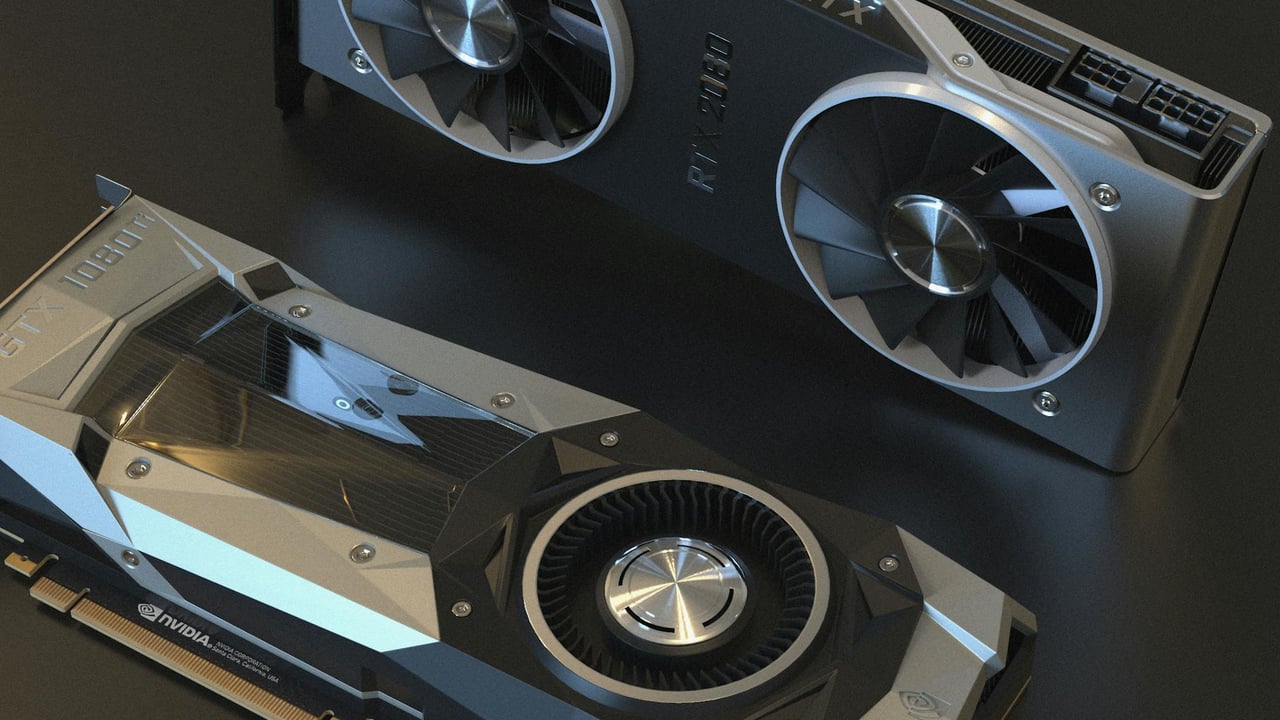
Nvidia’s contribution comes with deepened infrastructure ties: OpenAI will access Nvidia’s Vera Rubin systems for dedicated inference and training capacity—3 gigawatts of inference power and 2 gigawatts of training power were disclosed—on top of existing usage of Hopper and Blackwell systems across Microsoft, Oracle Cloud Infrastructure, and CoreWeave. SoftBank’s $30 billion pledge completes the headline trio of backers and underscores the appetite among large investors for concentrated bets on a small number of AI leaders.
OpenAI emphasised that the new funding does not alter its longstanding relationship with Microsoft, which has been a principal backer since 2019. Microsoft and OpenAI said their partnership remains "core and robust." The company also laid out updated capital and revenue ambitions: its internal planning for compute investment has a nearer‑term target of about $600 billion through 2030—down from earlier, larger public projections—and it expects cumulative revenues by 2030 to exceed roughly $280 billion, split roughly evenly between consumer and enterprise businesses.
The round is unprecedented in private market history. OpenAI previously set records last year with a $40 billion SoftBank‑led investment; this latest round further resets the high watermark for private tech fundraising. Competitors have also been raising large sums—Anthropic secured about $30 billion in a recent round and xAI raised $20 billion—yet none match the combination of user scale, platform reach and deep infrastructure commitments that OpenAI now commands.
For cloud providers the deal has important ramifications. AWS’s exclusivity as a third‑party distributor for Frontier enhances its ability to capture high‑margin enterprise AI workloads, even as Microsoft continues to host and co-invest in many OpenAI projects. The two relationships are not identical: Microsoft remains a strategic partner and investor, while AWS’s new role focuses on distribution and commercialisation of enterprise services. Still, the arrangement intensifies competition among cloud vendors for the most lucrative AI customers and workloads.
The Nvidia commitment crystallises the centrality of specialised accelerators in the race for advanced models. Securing petascale GPU allocations has become as strategically important as software IP. The concentration of GPU supply and the long lead times to scale chip production raise questions about capacity bottlenecks, pricing power and geopolitical exposure given the global chip supply chain.
The infusion will enable OpenAI to accelerate product development, expand enterprise offerings and deepen global distribution. It also sharpens fault lines: regulators, enterprise customers and rival firms will scrutinise a private company that now sits at the intersection of massive capital, dominant infrastructure relationships and a huge consumer footprint—OpenAI reported ChatGPT weekly active users numbering in the hundreds of millions and over 9 billion weekly interactions across products.
Still, the headline numbers mask a narrower reality. The phased nature of Amazon’s investment and OpenAI’s reduced infrastructure ask compared with earlier ambitions point to a more cautious roadmap: the company set a lower, more manageable compute-target and offered clearer timelines to placate investors worried about runaway spending. Competition from Google’s Gemini, Anthropic’s enterprise push, and in‑house AI efforts at Big Tech mean OpenAI must convert capital and infrastructure into reliable enterprise revenue growth to justify its valuation.
This deal will reverberate across the AI ecosystem. It deepens the strategic partnership model—where cloud providers and chip firms not only supply infrastructure but become long‑term stakeholders—and will likely trigger fresh investment by enterprises seeking to secure AI supply chains. At the same time, the concentration of compute and commercial power in a few platforms raises policy questions about market power, data governance and national security that regulators in the U.S., EU and elsewhere will watch closely.