
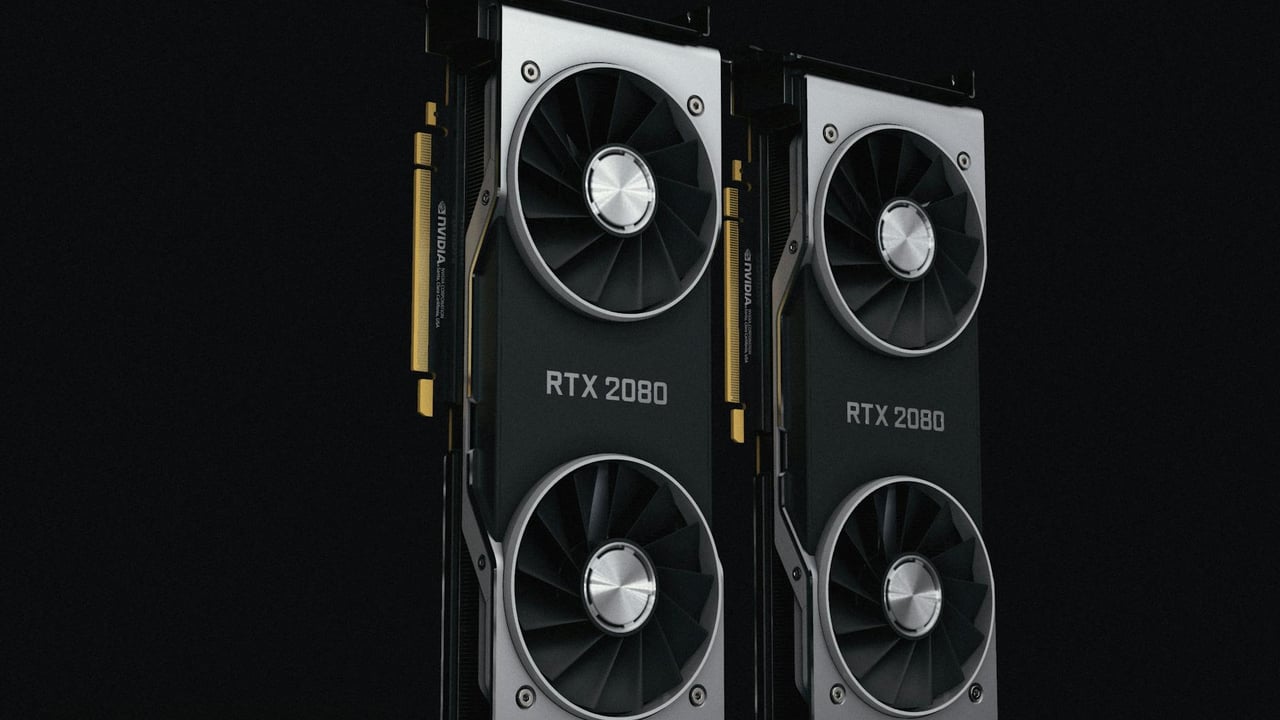

OpenAI announced on 27 February that it had secured $110 billion of new investment, lifting its pre-money valuation to $730 billion. The reported commitments come from three heavyweight backers: SoftBank ($30 billion), Nvidia ($30 billion) and Amazon ($50 billion). OpenAI also said it had signed a strategic cooperation agreement with Amazon and that Nvidia would supply next‑generation inference compute capacity.
If confirmed, the scale of the round would be unprecedented in the technology sector and would mark a new phase in the commercialisation and concentration of generative AI. For a company still evolving its business model around APIs, bespoke enterprise deals and consumer products, such a cash infusion provides both runway and muscle to accelerate deployment, capture market share and push into adjacent lines of business.
The composition of the buyers is as consequential as the headline sum. Nvidia’s financial stake and commitment to supply inference accelerators further cements the chipmaker’s centrality to modern AI stacks, reducing the technical and commercial friction OpenAI faces when deploying large models at scale. Amazon’s strategic pact suggests a pivot in cloud distribution: AWS looks positioned to secure privileged hosting and integration rights for OpenAI’s models, challenging Microsoft’s previously prominent alliance with OpenAI.
SoftBank’s large cheque reflects Masayoshi Son’s continued appetite for outsized bets on platform-scale technologies. For SoftBank, which has repeatedly sought singular winners that can dominate global markets, OpenAI presents an opportunity to capitalise on AI-driven platform effects across software, consumer devices and enterprise services.
The deal would reshape competitive dynamics across three domains: cloud providers, chip suppliers and AI startups. Amazon’s closer relationship with OpenAI could shift enterprise traffic to AWS and pressure Microsoft and other cloud vendors to counter with their own partnerships or proprietary models. Nvidia’s enhanced role deepens its leverage over both incumbents and challengers that require cutting-edge inference hardware, increasing the strategic value of its roadmap and supply agreements.
Concentration risks are significant. A $730 billion valuation combined with exclusive or favoured access to compute and distribution channels would intensify concerns about market power, lock‑in and the narrowing of the AI ecosystem around a few mega-platforms. Regulators in the US, EU and elsewhere are already scrutinising big‑tech behaviour; this transaction, and any resulting governance arrangements, are likely to attract further examination.
For rivals and the broader innovation ecosystem the immediate impact will be pressure on capital and talent markets. Deep pockets and strategic ties enable large-scale experimentation — from new consumer experiences to domain‑specific models — but may also make it harder for independent startups to secure customers, chips and cloud capacity. The decisive variable will be how OpenAI chooses to commercialise its models and whether it preserves interoperable channels that allow other firms to build on top of or alongside its technology.
Details remain crucial: the mechanics of the capital injection, any governance changes, exclusivity clauses, and the timelines for compute delivery will determine how the industry realigns. In the near term, markets for AI chips and cloud services will tighten, and competitors will be forced to respond with their own investment and partnerships. Over the longer term, the transaction—if completed as described—would accelerate the consolidation of powerful AI capabilities into a small number of commercially dominant firms, reshaping competition, regulation and the global influence of platform owners.