
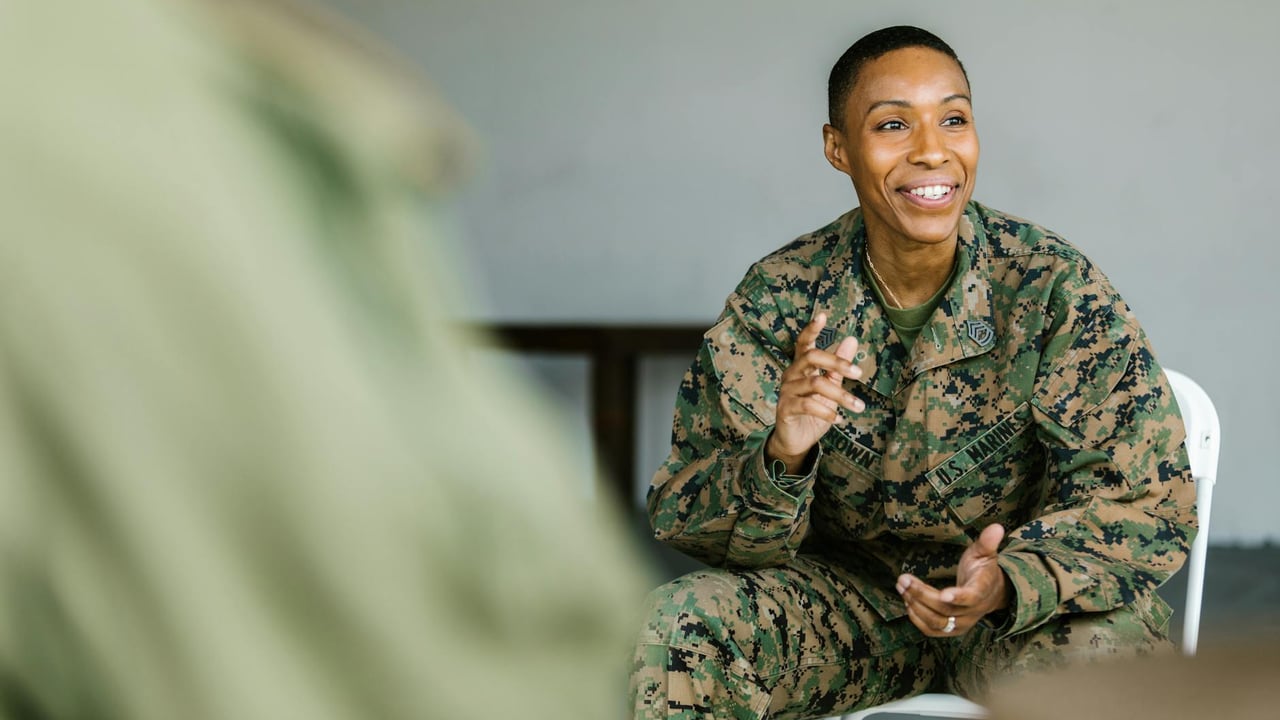

A photograph circulated by Xinhua this week of a fresh-faced recruit meeting a veteran captured more than a personal exchange: it was presented as an emblem of continuity in China’s armed forces. The brief, loaded glance between the two was framed as a transfer of values and experience, a visual shorthand for the People’s Liberation Army’s narrative of generational inheritance and institutional stability.
The scene, set in Beijing and published on Feb. 27, accompanies a familiar state-media motif—linking patriotic duty, party loyalty and military professionalism. Such encounters are staged and reported as part of the annual rhythm of enlistment and return, when new conscripts join and former servicemen reintegrate into civilian life. The coverage emphasizes ritual, discipline and the transmission of “red” revolutionary ethos alongside technical know-how.
This matters because the image performs political and organizational work at once. Domestically, it reinforces the Communist Party’s insistence that the PLA remain both modernizing and politically reliable, grounded in historical continuity even as it upgrades technology and tactics. For a military undergoing sustained reforms over the past decade, the symbolic handshake reassures audiences that institutional memory and veteran experience will be preserved even as professionalization proceeds.
Beyond optics, the encounter highlights practical challenges facing China’s armed forces: recruiting and retaining personnel capable of operating next‑generation systems, integrating veterans into civilian life, and preserving morale in a force that is simultaneously shrinking in some categories and expanding its technical demands. The veteran serves not only as a repository of cultural capital but also as a potential trainer and connector between older operational practices and new domains of warfare.
The narrative also functions as soft power at home. Xinhua’s framing underlines a broader campaign to valorize military service, normalize enlistment, and present the armed forces as a desirable social pathway. Yet the emphasis on symbolic transmission risks masking unresolved policy questions—veterans’ employment, healthcare and benefits, and whether recruitment strategies are keeping pace with the skillsets the PLA increasingly requires.
Observers should treat this kind of imagery as both message and metric. It signals Beijing’s desire to show cohesion and continuity, but the real test will be policy outcomes: how effectively veteran experience is harnessed for training, how smoothly recruits are professionalized for high‑tech roles, and how social supports for demobilized servicemen are strengthened to sustain the narrative beyond the photograph.