Oman Says US–Iran Indirect Talks Have Made 'Unprecedented' Progress — A Breakthrough Looms

Oman says indirect US–Iran talks it has mediated have reached "unprecedented" progress and expects decisive advances within days. The development signals a potential breakthrough toward a negotiated nuclear agreement with major implications for regional security, sanctions policy, and non‑proliferation verification, though significant political and technical obstacles remain.

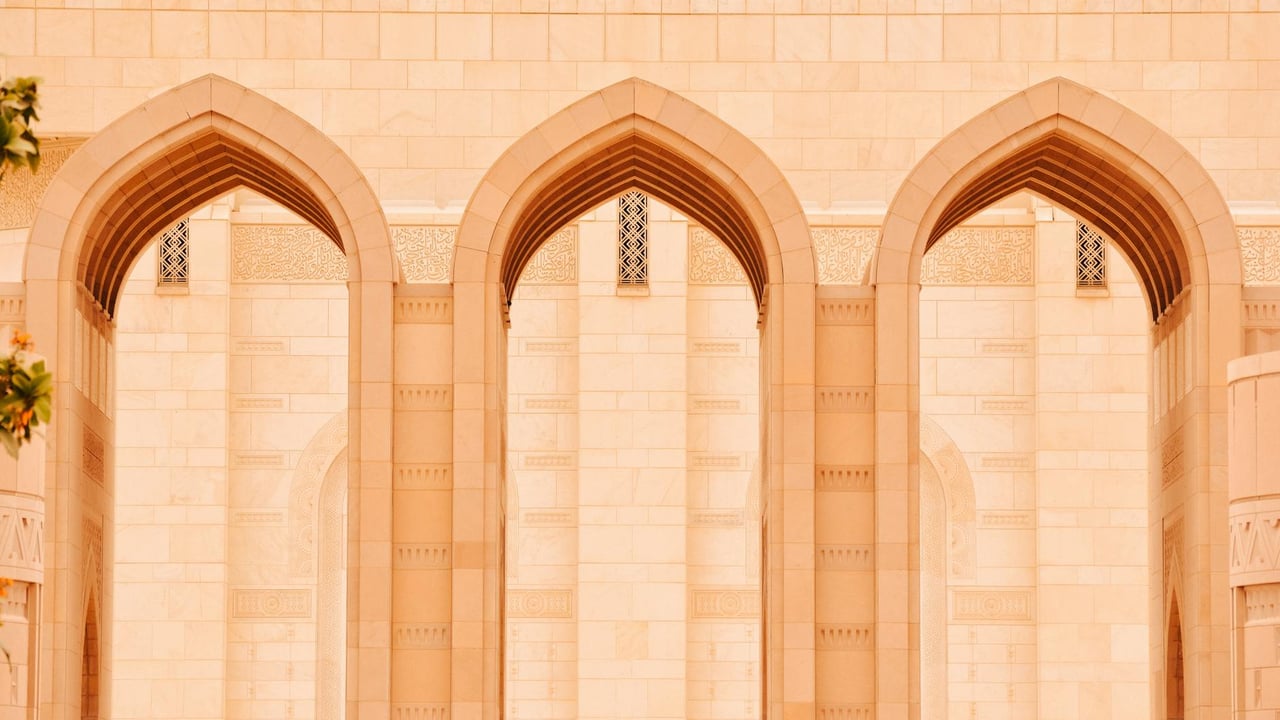
Close-up of elegant arches at the Sultan Qaboos Grand Mosque in Muscat, Oman.

Key Takeaways

  • 1Oman’s foreign minister reported "critical, important and unprecedented" progress in US–Iran indirect negotiations during talks with US Vice President Vance.
  • 2The discussions, mediated by Oman, aim to produce a fair, sustainable nuclear agreement ensuring Iran’s nuclear programme remains peaceful.
  • 3A deal could restore stronger verification and bring sanctions relief, but sequencing, verification, and regional concerns could still derail progress.
  • 4Oman’s role as a discreet intermediary continues to be pivotal in facilitating dialogue when direct talks are politically fraught.
  • 5Observers should watch for technical compromises, IAEA verification arrangements, and reactions from Israel, Saudi Arabia, and Iran’s domestic political factions.

Editor's
Desk

Strategic Analysis

If the Omani account proves accurate and the apparent momentum holds, the immediate significance is geopolitical rather than symbolic: a negotiated package would reduce the likelihood of a military confrontation over Iran’s nuclear activities and provide a framework for international monitoring that unilateral measures cannot offer. Economically it could ease pressure on Tehran and alter regional risk calculations that influence energy markets and investment. Politically, any deal will be fragile — vulnerable to backlash from Iranian hardliners, opposition from regional rivals, and shifts in US domestic politics — and will require robust verification and phased implementation to survive. Oman’s successful mediation would reaffirm the utility of small states as neutral brokers, but the final test will be the technical architecture of inspections, timelines for rollback, and clear sequencing of sanctions relief that convinces sceptical neighbours and domestic audiences alike.

China Daily Brief Editorial
Strategic Insight
China Daily Brief

Oman's foreign minister, Sayyid Badr al-Busaidi, told reporters in Washington that indirect negotiations between the United States and Iran, brokered by Muscat, have achieved "critical, important and unprecedented progress." He relayed the assessment to US Vice President Vance during a meeting on 27 February and later posted on social media that decisive advances could come within days, adding that "peace is within reach."

The talks, held indirectly with Omani facilitation, focus on securing a fair and sustainable nuclear agreement and measures to ensure Iran's programme remains peaceful. Oman has served as a discreet conduit between Tehran and Washington for years, offering a diplomatic channel when direct contact is politically difficult for either side. That role has once again put Muscat at the centre of a process with wide-ranging regional and global implications.

A credible outcome would have immediate strategic payoffs: it could reassert a rules-based non‑proliferation framework, reduce the risk of nuclear escalation in the Middle East, and open the door to structured sanctions relief. For the United States, a negotiated arrangement would be billed as restoring stronger verification standards than unilateral approaches can deliver. For Iran, it offers relief from economic pressure while preserving sovereign claims to a civilian nuclear programme under international oversight.

Caveats are abundant. Previous negotiation cycles have stalled over sequencing — whether sanctions are eased before Iran rolls back enrichment activities — and over intrusive verification that Tehran's hardliners resist. Regional actors such as Israel and Saudi Arabia will scrutinise any deal for gaps they fear could enable a latent weapons capability or embolden Iranian regional influence. The coming days may reveal whether the apparent momentum translates into technical compromises and credible verification mechanics, or simply another pause in a laborious diplomatic rhythm.

Share Article

Related Articles

📰
No related articles found