
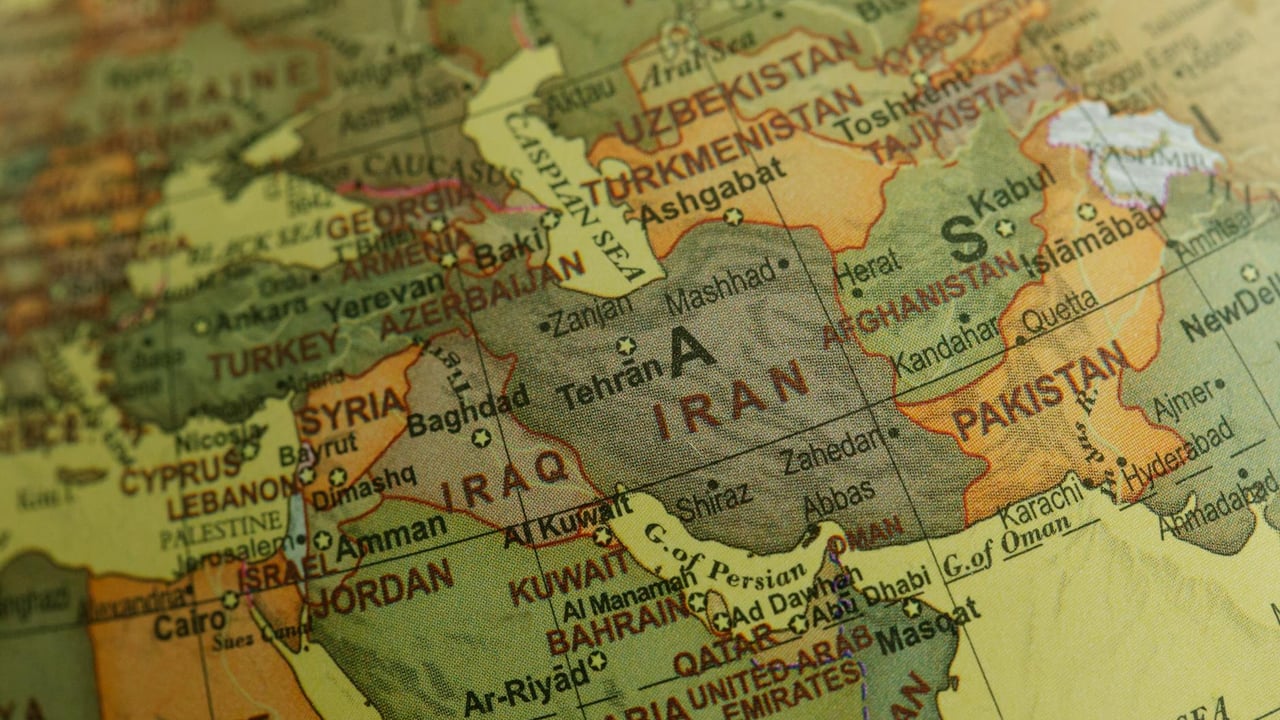

A sharp exchange of fire along the Afghanistan–Pakistan frontier on the night of February 26 has left lives lost and renewed fears of a wider escalation along one of Asia’s most restive borders. Pakistan and Afghanistan traded shots in the border region, and the clash rapidly heightened tensions between the two neighbours, reviving long-standing disputes over security, militants and control of the porous Durand Line.
The United States publicly signalled support for Pakistan on February 27, when Allison Hook, the State Department’s Under Secretary for Political Affairs, posted on X that she had spoken with Pakistani foreign affairs officials to convey condolences for those killed. Hook said Washington would continue to watch developments closely and reiterated support for Pakistan’s right to self‑defence, a succinct endorsement that underscores continued U.S. interest in regional stability despite its reduced footprint in Afghanistan.
The United Nations Secretary‑General António Guterres also weighed in on February 27, voicing concern and urging the parties to resolve their differences through diplomatic means. That international appeal highlights the broader worry among diplomats that localized flare‑ups along the border can quickly spill into larger confrontations, generate refugee flows and provide openings for militant groups to exploit instability.
The incident must be seen against a backdrop of decades‑old grievances. The Durand Line has been disputed since its drawing in 1893, and militant activity, tribal ties across the frontier and periodic cross‑border strikes have repeatedly strained ties. Since the Taliban’s return to power in Kabul in 2021, Islamabad has accused Afghan territory of sheltering militants who conduct attacks in Pakistan; Islamabad has at times conducted strikes it says target those groups, and Kabul’s ability or willingness to police the border remains inconsistent.
For Washington, the quick public statement serves several purposes: it signals solidarity with an important regional partner, seeks to deter further attacks on Pakistani territory, and aims to preserve a narrow diplomatic space for de‑escalation without becoming directly involved. International calls for restraint and diplomacy now face the test of practical follow‑through — whether Islamabad and Kabul can open channels to contain the incident and prevent a cycle of retaliation that would destabilize a fragile region.