
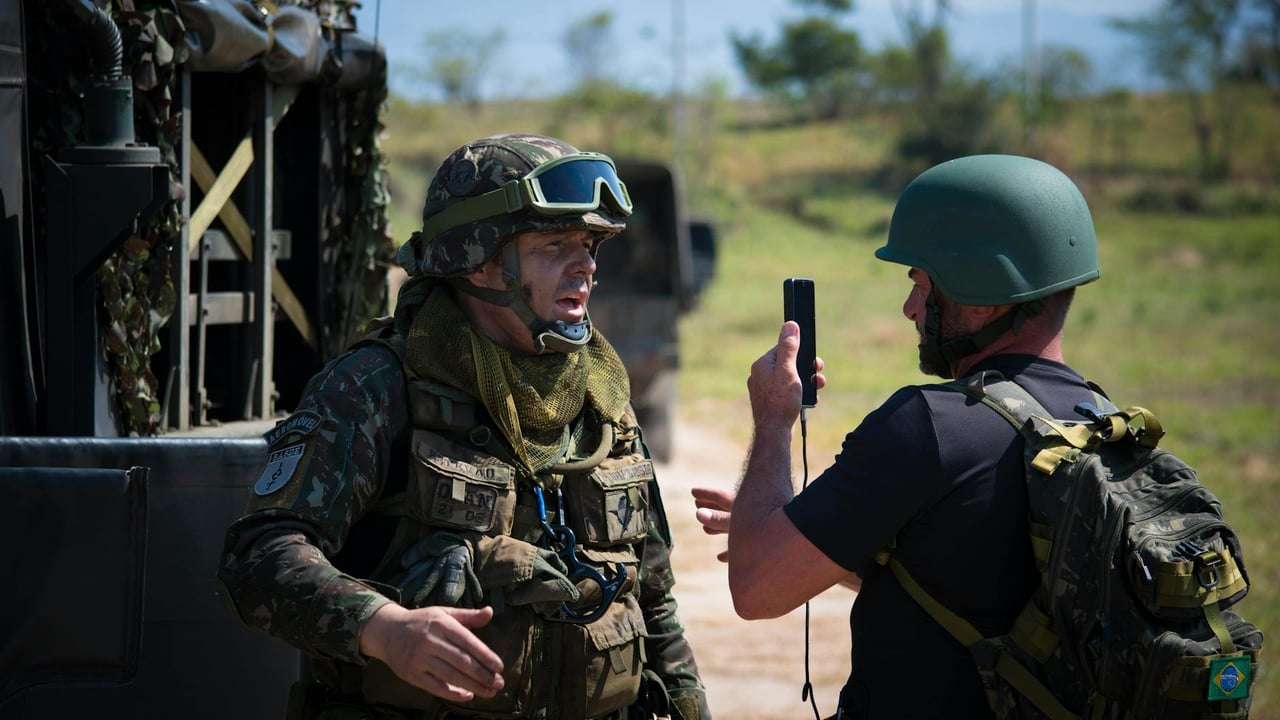

When weather and terrain conspire to sever lines of sight and lay bare vulnerabilities in wireless links, another kind of soldier keeps operations moving: signal troops who stitch together command networks by hand. In a quiet training ground of the PLA's 80th Group Army, teams lug cables through thickets, splice fibers on muddy slopes and fine‑tune satellite dishes, turning fragile physics into resilient connectivity. Their work is invisible to most observers, but it is a precondition for any modern manoeuvre, disaster response or exercise that depends on timely command and control.
Before dawn the field crew sets out with reels of cable and a fusion splicer, led by a sergeant who has taught recruits how to negotiate cliffs and brambles without nicking the fibre. Laying ‘‘hard’’ lines in dense woods demands slow, methodical labour: anchoring cables to trees, protecting splices with heat‑shrink tubing and testing every segment until instruments report a stable link. The article follows a new soldier, Yang Long, learning these routines under the patient instruction of his squad leader, capturing the physical toil and the insistence on workmanship that underpins signal integrity.
In the machine room, technicians wrestle with a different set of constraints: satellite signals that fluctuate under heavy cloud and dust. One non‑commissioned officer, Li Baohua, repeatedly adjusts antenna azimuth and elevation while monitoring signal quality, teaching his team to find and hold the ‘‘best angle’’ even in adverse conditions. Training cycles explicitly include weather extremes and terrain variation, reflecting an institutional emphasis on being able to deploy and stabilise emergency satellite links within minutes.
A separate team practices radio telegraphy and encrypted code transmission, where the margin for human error is vanishingly small. Operators drill long and short elements until their fingers blister, because a single mistyped or misread group can alter orders; instructors demand ‘‘zero errors’’ as a field discipline. The article portrays these duties as a moral as well as technical obligation: each precise transmission is framed as a small but essential contribution to operational success.
Taken together, the vignettes outline a layered approach to communications resilience: redundant hard lines, satcom fallback and disciplined manual signalling. That redundancy is deliberate, not quaint — it is intended to blunt the effects of jamming, terrain masking and weather that can plague any single transmission mode. Maintaining and practising these capabilities in peacetime reduces the risk of catastrophic comms failure at moments of crisis.
For outside observers, the piece signals two broader trends in the PLA. First, the force continues to professionalise the logistical and technical trades that keep command networks alive, investing time in hands‑on training as well as in equipment. Second, the emphasis on redundancy and rapid repair underscores a recognition that digital networks are vulnerable and that human skill remains central to operational resilience. Those are not unique lessons to Beijing; they mirror approaches taken by other militaries that balance high‑end digital systems with robust, low‑tech fallbacks.
The practical upshot is straightforward. In any future contingency—whether a regional cross‑strait crisis, a border standoff or complex disaster relief—the ability to keep commanders and units talking will shape tempo and decision‑making. The article’s portraits of splicing, antenna‑slewing and code practice are small technical details, but aggregated they speak to an institutional priority: keeping the ‘‘nervous system’’ of the force intact under stress.
The soldiers pictured take pride in tasks that rarely make headlines, repeating an ethic summed up by their instructors: communications must be reliable, not approximate. That insistence on craft and redundancy turns unspectacular labour into strategic leverage, because when physical infrastructure and electromagnetic conditions conspire to break links, trained personnel can often restore them before orders and situational awareness fracture. For a modern army, preserving those lines is as consequential as any weapons system.