

Chinese students studying in Tehran described scenes of confusion and alarm after U.S. and Israeli airstrikes on Iran on 28 February, saying blasts were within a five-minute drive of central government buildings and at least one student’s planned departure was thrown into doubt.
Photographs and on-the-ground testimony shared with Chinese state media showed thick smoke near the strike sites and students reporting audible whistling and multiple explosions. Many people ran from buildings into open areas; residents and students said they were urged by Iranians to leave quickly and that ordinary attempts to phone family members were intermittently impossible as local networks degraded.
Students also reported an absence of audible civil defence sirens in central Tehran. Mobile voice and data services were disrupted, forcing some to switch to international roaming to stay in touch; others shared working phones among groups so those without connection could notify relatives. Tehran University suspended classes and municipal authorities advised residents to shelter locally.
China’s embassy in Tehran had issued a safety alert the previous day and carried out outreach to Chinese nationals via phone and community groups in the days before the strikes. Students interviewed said many had contingency plans from a similar flare-up last June, had packed essentials and were preparing exit options. If commercial flights become unavailable, the likely evacuation pathway discussed by students is assembly at embassy-designated sites in Tehran followed by coach transport west to the Azeri-Turkish border via Tabriz.
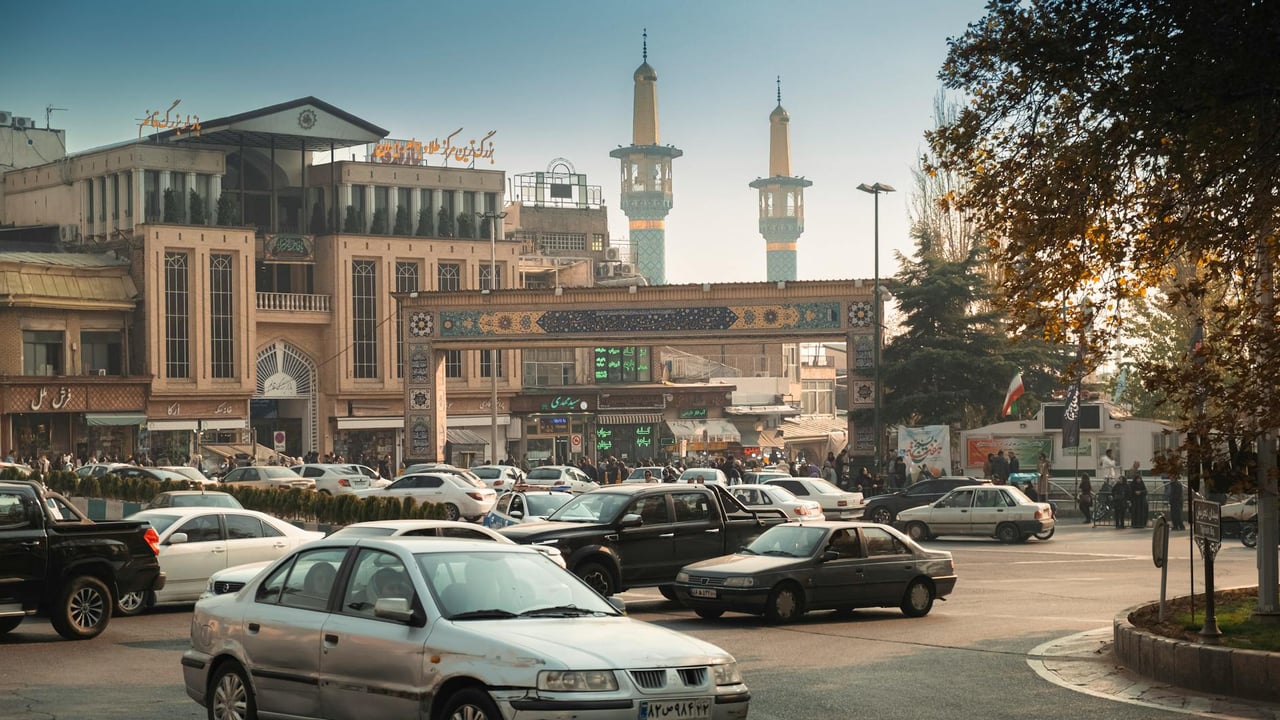
The timing of the strikes — during the Muslim holy month of Ramadan and just ahead of Iran’s Nowruz new year — compounds the human and logistical disruption, with many people originally preparing to travel for family or holiday reasons. Local reports show major road congestion and failures of ride-hailing services as GPS and network reliability deteriorated, while state media outlets initially remained accessible online.
This episode points to two immediate practical concerns for foreign governments and citizens in Tehran: the vulnerability of communications and transport networks during kinetic escalation, and the difficulty of coordinating rapid evacuations without reliable local infrastructure. For Beijing, which maintains close economic and strategic ties with Tehran, the incident will test consular capacity and crisis-routine coordination while adding urgency to contingency planning for other foreign nationals and companies operating in Iran.
The wider international stakes are clear. Strikes inside Iran risk escalatory responses, complicate diplomacy between Tehran and Western powers, and raise the prospect of further civilian disruption ahead of an already sensitive seasonal juncture. How long communications interruptions persist and whether civil order in Tehran remains stable will be critical in determining whether this episode remains localized or becomes a protracted international problem.