US Voices Support for Pakistan After Deadly Afghanistan Border Clashes, UN Urges Diplomacy

A deadly exchange of fire along the Afghanistan–Pakistan border on 26 February prompted a US statement backing Pakistan’s right to self‑defence and condolences to Pakistani officials. The UN called for diplomatic resolution, while the incident raises concerns about escalation along an already volatile frontier.

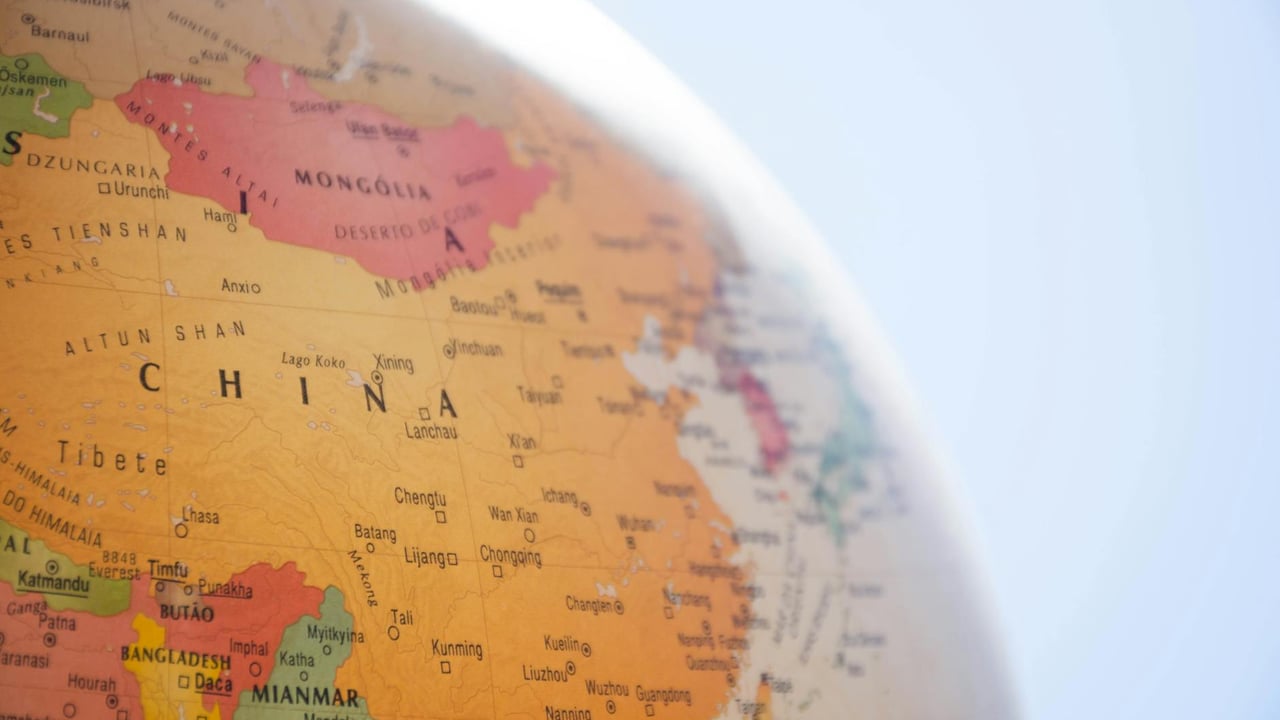
Detailed close-up of a globe showing China and surrounding regions, with geographic labels in focus.

Key Takeaways

  • 1Fighting on 26 February along the Afghanistan–Pakistan border resulted in fatalities and a rapid escalation of tensions.
  • 2US Deputy Secretary for Political Affairs Allison Hook posted on X on 27 February offering condolences and affirming US support for Pakistan's right to self‑defence.
  • 3UN Secretary‑General António Guterres expressed concern and urged diplomatic solutions to prevent further escalation.
  • 4The confrontation highlights the persistent volatility of the Durand Line and the potential for localized clashes to have broader regional security effects.

Editor's
Desk

Strategic Analysis

The US statement functions as both reassurance to Islamabad and a calibrated diplomatic signal: Washington wants to prevent instability that could jeopardize counter‑terrorism interests and broader regional order, but it also risks appearing to endorse cross‑border uses of force if Pakistan opts for kinetic retaliation. With limited leverage over Afghanistan’s ruling authorities, external calls for restraint—especially from the UN—are necessary but not sufficient to guarantee de‑escalation. If diplomacy does not take hold quickly, the incident could trigger cycles of tit‑for‑tat violence, spur refugee flows, and provide openings for other regional actors to deepen their involvement in South Asian security politics.

China Daily Brief Editorial
Strategic Insight
China Daily Brief

Armed exchanges erupted along the AfghanistanPakistan frontier on the night of 26 February, leaving personnel on both sides dead and sharply escalating tensions in a region long marked by volatility. On 27 February the US Department of State's deputy secretary for political affairs, Allison Hook, posted on X to offer condolences to Pakistani foreign affairs officials, say the United States will closely monitor the situation, and affirm Islamabad's right to self‑defence.

The flare‑up drew quick international attention. United Nations Secretary‑General António Guterres expressed concern on 27 February and urged that disputes be resolved through diplomatic channels, underscoring the UN’s preference for de‑escalation rather than reciprocal military responses along the porous Durand Line.

The incident comes against a backdrop of persistent instability along the Afghanistan–Pakistan border. The frontier has been a conduit for insurgent groups, cross‑border raids and occasional artillery exchanges for years, and political relations between Kabul and Islamabad have remained fragile since 2021. Any sudden spike in violence therefore has outsized potential to disrupt already strained security arrangements and humanitarian conditions in border provinces.

Washington’s prompt public backing of Pakistan’s right to self‑defence is notable: it signals continued US interest in reassuring a key regional player even as Washington’s direct influence inside Afghanistan is limited. The line of statements from Islamabad’s partners and the UN will shape whether the confrontation is contained through diplomacy or becomes a pretext for more extensive military action, with implications for counter‑terrorism efforts, displacement, and regional stability.

Share Article

Related Articles

📰
No related articles found