China’s Eastern Theater Navy Drills Blue‑Water Warfare, Testing Replenishment and Rescue Skills

Ships from the PLA Navy’s Eastern Theater Command conducted a far‑sea exercise that combined gunnery, underway replenishment and a ship‑air rescue drill. The manoeuvre demonstrates growing Chinese capacity for sustained, integrated naval operations beyond near seas and serves as a calibrated signal to regional and global navies.

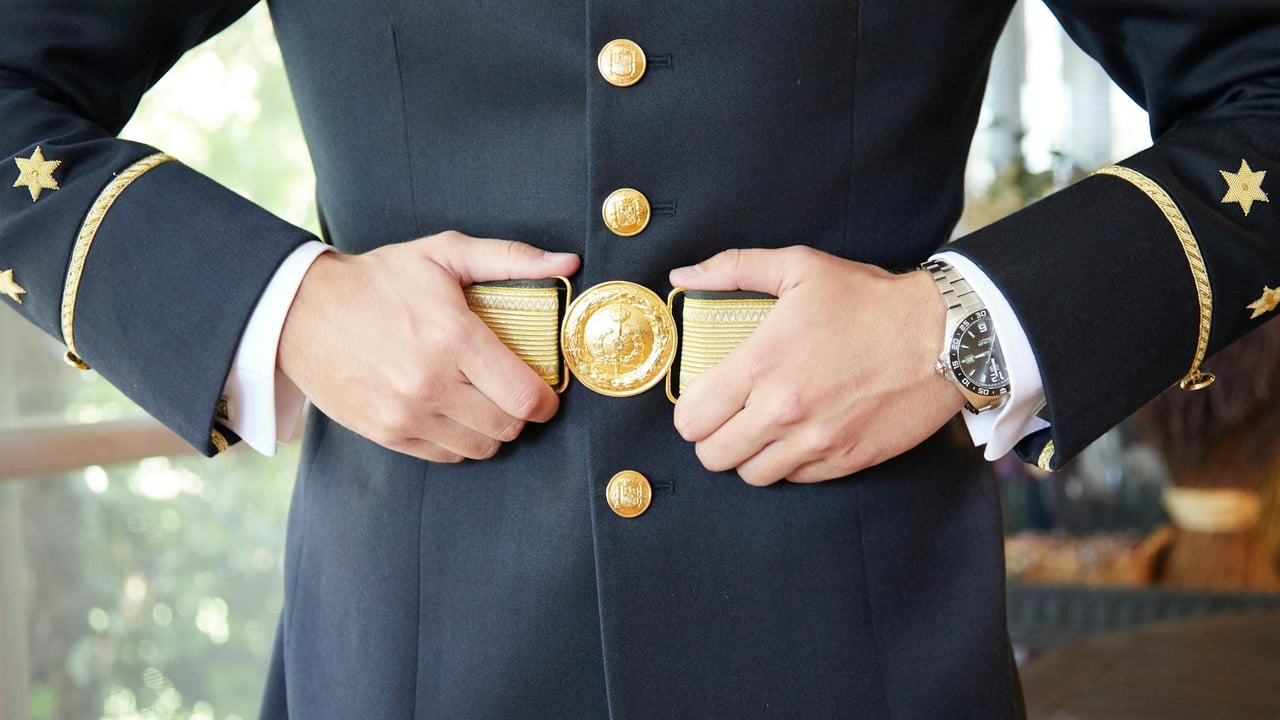
Detailed view of a person adjusting a navy uniform belt with gold embellishments.

Key Takeaways

  • 1A task group led by the destroyers Zibo and Xi’an staged a far‑sea, realistic combat exercise in deep waters.
  • 2Drill scenarios included rapid response to an unknown contact, coordinated naval gunfire, underway replenishment and a helicopter‑assisted search‑and‑rescue.
  • 3The exercise aimed to test command‑and‑control, long‑range maneuver, logistics and multi‑domain cooperation under combat‑like conditions.
  • 4Publicising the drill projects capability and intent: sustainment and joint operations are priorities in PLAN modernisation.
  • 5Improved at‑sea replenishment and rescue capacity extend China’s operational reach beyond the first island chain.

Editor's
Desk

Strategic Analysis

This sortie is another data point in the PLAN’s steady maturation from a coastal defense force to a navy capable of sustained, integrated operations in the deep ocean. The combination of live gunnery, underway replenishment and coordinated air‑sea rescue in one evolution shows attention to the practical logistics and C2 problems that constrain long‑range missions. That matters because operational reach depends as much on replenishment and damage control as on individual platforms or weapons; enhancing those skills reduces the vulnerability of task groups on extended patrols or during contingency operations. The public release of footage performs a strategic signalling function, calibrated to reassure domestic audiences about readiness while warning regional navies and partners that China can mount sustained, multi‑domain naval operations — a capability the U.S. Navy and its allies will monitor closely for implications on deterrence, freedom of navigation and crisis escalation dynamics.

China Daily Brief Editorial
Strategic Insight
China Daily Brief

A task group from the People’s Liberation Army Navy’s Eastern Theater Command, centred on the destroyers Zibo (淄博舰) and Xi’an (西安舰), recently conducted a far‑sea, combat‑oriented exercise in deep ocean waters. The exercise, described in state media footage, staged a sequence of tactical problems designed to simulate high‑intensity maritime conflict and sustained operations away from home ports.

During the drill, crews engaged an identified “unknown” maritime contact, shifted rapidly into combat posture and executed coordinated gunnery strikes. Command centres tracked the evolving “battlefield” in real time while weapon crews received fire orders, acquired targets and conducted precision naval gunfire that organisers said saturated the designated sea area.

Logistics and damage‑control procedures were simultaneously validated: underway replenishment was practised with Zibo adjusting course and speed for a precision at‑sea transfer, and personnel executed close coordination to complete the evolution. A sudden man‑overboard scenario then triggered a search‑and‑rescue sequence involving ship‑borne helicopters and fast rescue boats, demonstrating sea‑air cooperation and rapid emergency response across the task group.

The exercise emphasizes a doctrinal shift signalled repeatedly in PLA publications: ‘train for war’ rather than for static exercises. By combining long‑range maneuver, gunnery, replenishment and multi‑domain rescue in a single sortie, the Eastern Theater Navy tested the connective tissue that underpins sustained blue‑water operations — command and control, logistics, and joint air‑sea tactics.

For outside observers, the drill serves both operational and political purposes. Operationally it underscores improving PLAN capabilities to operate beyond the first island chain and sustain high‑tempo missions; politically its publicisation functions as messaging to regional actors and foreign navies that China is honing an integrated far‑sea combat posture that could be employed for deterrence, sea‑lane protection or crisis response.

Share Article

Related Articles

📰
No related articles found