
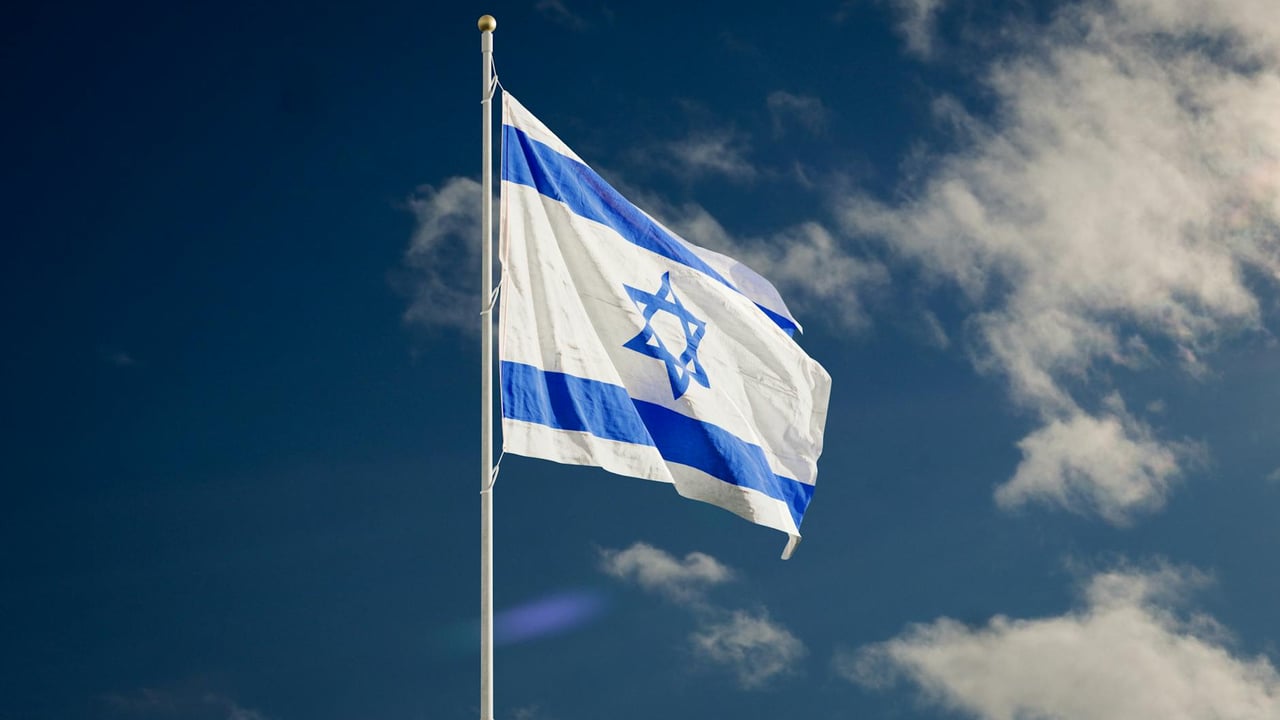

On 28 February 2026 a joint U.S.–Israeli operation codenamed "Epic Fury" struck multiple Iranian cities, including strikes that detonated near the residences of Supreme Leader Ayatollah Ali Khamenei and President Masoud Pezeshkian in Tehran. Iranian state media reported at least 40 dead and widespread damage in Tehran, Isfahan and Qom; Iranian missiles and rockets were later launched toward Israeli and U.S. targets across the Middle East.
The apparent aim of the operation marks a stark change in tactics. During the June 2025 "12‑day war" Israel and the United States struck Iranian nuclear and military infrastructure but avoided direct attacks on the supreme leader or an explicit attempt to decapitate Tehran's political leadership. This time, Israeli media released satellite imagery said to show damage near Khamenei's compound, and U.S. and Israeli sources have said the leadership itself was a target. Tehran insists Khamenei and Pezeshkian are safe, while uncertainty remains over the fate of senior military figures.
U.S. officials described a strategy of "gradual escalation": successive short rounds of strikes with pauses to reassess effects and Iranian responses. That approach reflects a calculation informed by the damage Iran suffered in 2025 — degraded air defences and a reduced ballistic missile inventory — which Washington and Jerusalem appear to judge will limit Tehran's ability to inflict a decisive blow on Israel. Iranian leaders promised a "decisive" retaliation and have already struck U.S. regional assets, heightening the risk of a broader confrontation.
The operation also exposes the enduring vulnerability of Iran's internal security architecture. Iranian sources interviewed before the attack told Chinese-language outlets that Israeli-linked intelligence networks active during the June 2025 conflict resurfaced during Iran's domestic unrest in late 2025, allegedly aiding targeted strikes. That capability, analysts say, makes precision attacks on political and military figures feasible — and politically destabilising.
Diplomacy that preceded the strike had been fragile. Negotiations between Tehran and Washington were patchy; Iranian negotiators shifted toward security-focused officials led by Ali Larijani, signalling that Tehran was negotiating from a posture of defence. But U.S. demands — including effectively ending domestic enrichment and exporting Iran's enriched uranium stockpile — were widely understood as non‑starters. Even if a deal were struck, experts expected only a temporary lull rather than a durable settlement.
For the White House, the strike reflects both strategy and calculation. Some U.S. and Israeli planners appear to have concluded that military pressure now could prevent Iran from recovering the capabilities lost in 2025 and might produce a political rupture in Tehran. Critics argue the move goes beyond constraining nuclear development: it seeks to shape Iran's geopolitical orientation and possibly to force regime change, a step that would carry unpredictable and long-term consequences.
The immediate risk is that miscalculation produces a wider regional war. An attempt on the supreme leader crosses a threshold in international norms and raises the stakes for retaliation, possibly drawing in Iran's proxies across the region. It also complicates the diplomatic space: third parties who might mediate will face greater pressure to take sides, and Tehran may harden its stance toward the International Atomic Energy Agency and potential future talks.
Outcomes hinge on two variables: Tehran's willingness and capacity to escalate in a manner that inflicts unbearable costs on Israel or U.S. forces, and the disposition of U.S. and Israeli leaders — particularly President Donald Trump — to continue, pause or de‑escalate. What began as strikes on infrastructure may morph into a conflict whose trajectory is shaped more by political calculation than by military facts on the ground.