
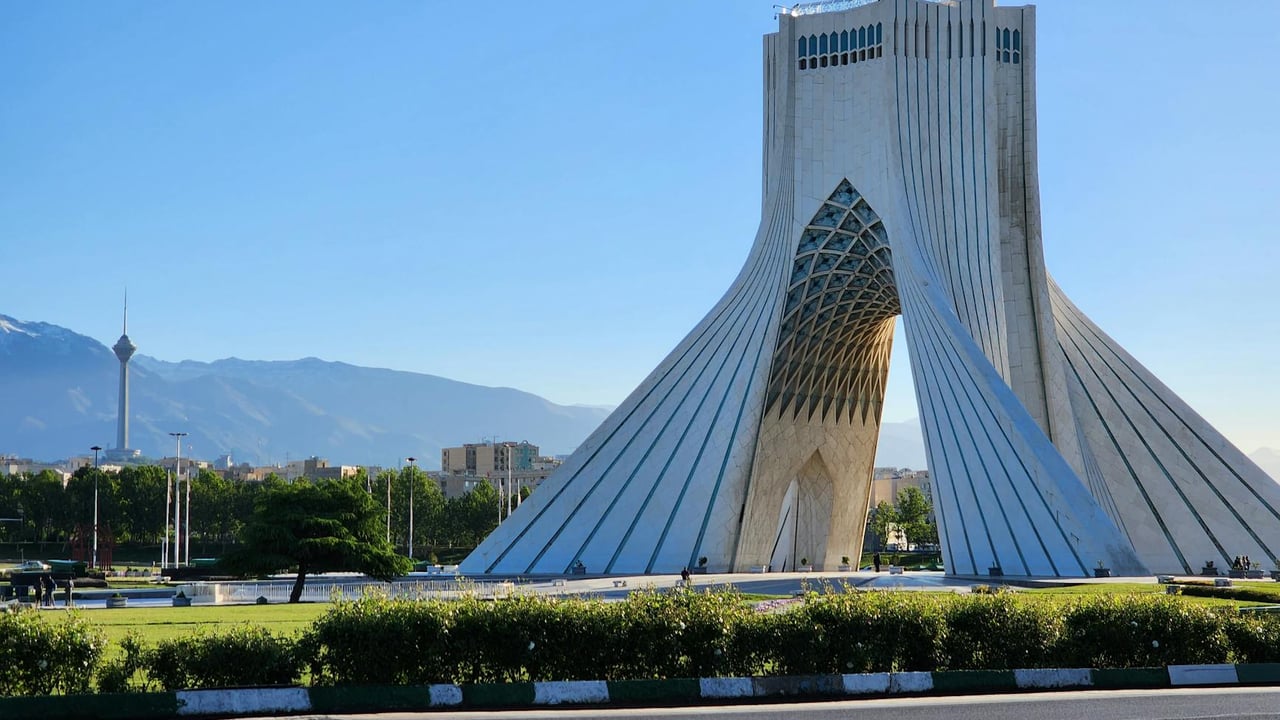

Early on Saturday, a wave of airstrikes attributed to a US–Israeli coalition shattered the quiet of Tehran, sending residents into the streets and turning a normal workday into a scene of confusion and fear. Office workers who had been starting the week reported hearing multiple explosions and seeing fighter jets screaming overhead; employees fled buildings and parents rushed to schools to collect children as sirens filled the city.
Eyewitnesses described shocks across different neighbourhoods, from affluent, tree-lined districts in northern Tehran to areas near a Revolutionary Guard base in Pasdaran where windows rattled and repeated blasts were heard. Residents such as Hamidreza Zand said they watched at least ten warplanes pass low overhead, while others sheltered terrified children in stairwells or bathrooms as ambulances rushed by.
Communications also suffered as the reports of explosions multiplied, leaving some families unable to reach loved ones. One Tehran lawyer and mother told reporters that public safety alone now dominates people’s thoughts: "Our only concern is how to keep safe — no one is thinking about protesting," she said, capturing the sudden shift from politics to survival.
The strikes appear to have been broader in scope than the targeted military or nuclear-site strikes reported last June, with media accounts indicating hits or attempted hits on intelligence and judicial facilities and locations associated with Iran’s presidency and the supreme leader. The US president released a video during the raids, urging Iranians to seize a "moment of freedom" and to push for regime change once the bombing stops — a provocative message likely to intensify Tehran’s sense of existential threat.
Beyond the immediate shock and disruption, the strikes carry strategic implications across the Middle East. A campaign that moves from discrete military targets to nodes of governance and security architecture raises the risk of wider retaliation, both directly by Iran’s armed forces and indirectly through regional proxies, while increasing the possibility of miscalculation that could draw neighbouring states into a broader conflict.
For Tehran’s domestic politics the effect is ambiguous: swift and visible strikes on institutions of state could harden public resolve around the leadership and justify a security clampdown, or they could feed latent anger if civilian casualties mount and public services are disrupted. Internationally, the operation will test alliances and diplomatic mechanisms, from UN responses to the positioning of Russia, China and regional powers who have strategic interests in Iran’s stability.
What follows now will be decisive: whether Iran responds in kind, limits retaliation to proxy actions, or pursues diplomatic channels under pressure will shape the next phase of this crisis. Global markets and regional security planners will watch closely for signs of escalation, humanitarian fallout, or a rapid move to negotiations; each outcome carries very different costs for regional stability and for the wider international order.