
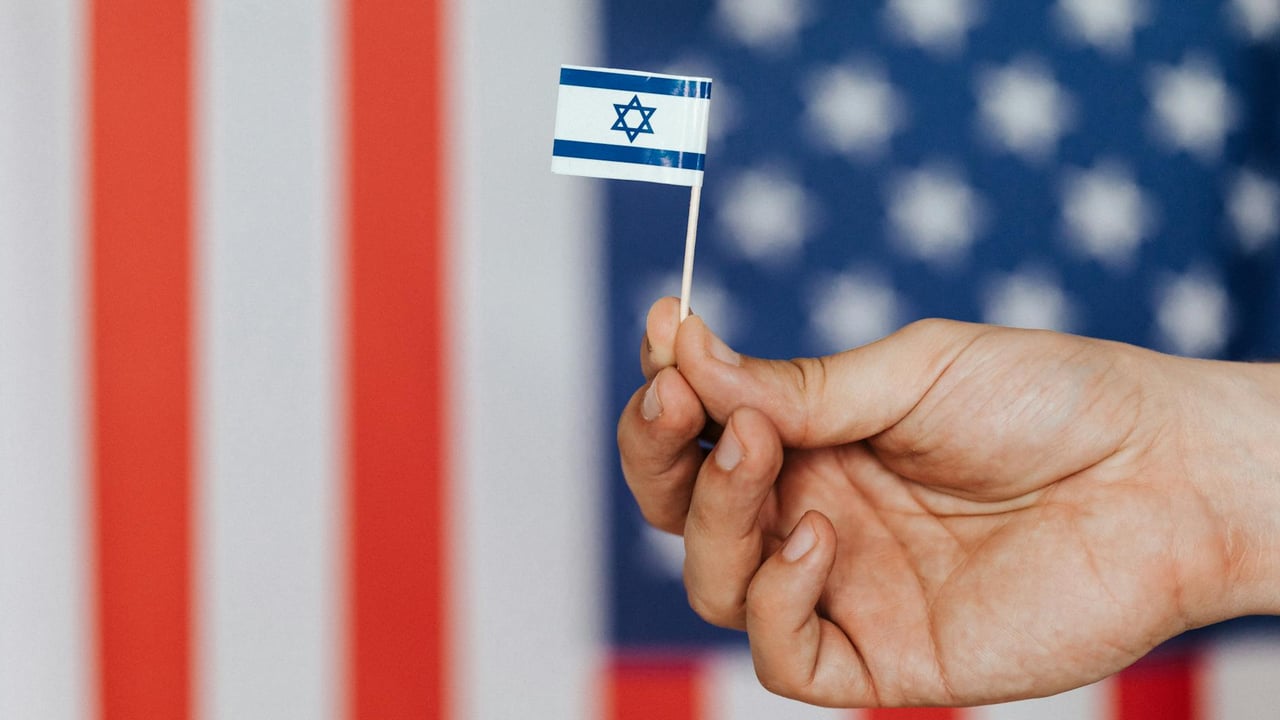

On 28 February 2026 the United States and Israel carried out strikes against targets in Iran; Tehran responded with a retaliatory action the same day. French president Emmanuel Macron urged the United Nations Security Council to convene an emergency session that evening, warning that the incident would have "serious consequences" for international peace and security and calling for an immediate halt to further escalation.
The exchange marks a sharp uptick in direct state-on-state violence in a region long defined by proxy fights, sanctions and periodic covert strikes. While Washington and Jerusalem have previously used covert action and strikes against Iranian-linked militias and facilities, a coordinated attack on Iranian territory followed by an overt Iranian response edges the confrontation closer to open conflict between established militaries rather than shadowy cross-border skirmishes.
Macron’s public appeal to the Security Council underscores growing European alarm and a desire to channel the crisis into multilateral diplomacy rather than unilateral escalation. His comment that the clash risks damaging international peace and security is as much a plea for de‑escalation as it is a signal that Western capitals fear spillover effects — from attacks on shipping in the Gulf to contagion among regional proxies.
The immediate dangers are clear: a tit‑for‑tat dynamic that draws in Iran’s network of allied militias across Lebanon, Iraq, Syria and Yemen; disruptions to global energy supplies and shipping lanes through the Strait of Hormuz; and a diplomatic test for a Security Council already strained by competing priorities and rivalries. An emergency meeting can register international concern and produce statements of restraint, but it is unlikely to produce a decisive mechanism to stop further strikes without buy‑in from Tehran, Washington and regional actors.
How the incident develops will depend on a mix of strategic calculations and domestic politics. Iran may have retaliated to satisfy internal audiences and preserve deterrence without seeking all‑out war; the US and Israel will weigh the military advantage of further action against the political and economic costs of broader conflict. European efforts to internationalize the crisis aim to limit unilateral options and create room for back‑channel diplomacy, but they will collide with the imperatives perceived by capitals that view Iran as an imminent threat.
Watch the coming days for Security Council language, statements from Russia and China, naval deployments in the Gulf, and movements in oil and insurance markets — each will be an early barometer of whether this episode can be contained or will metastasize into a wider conflagration.