
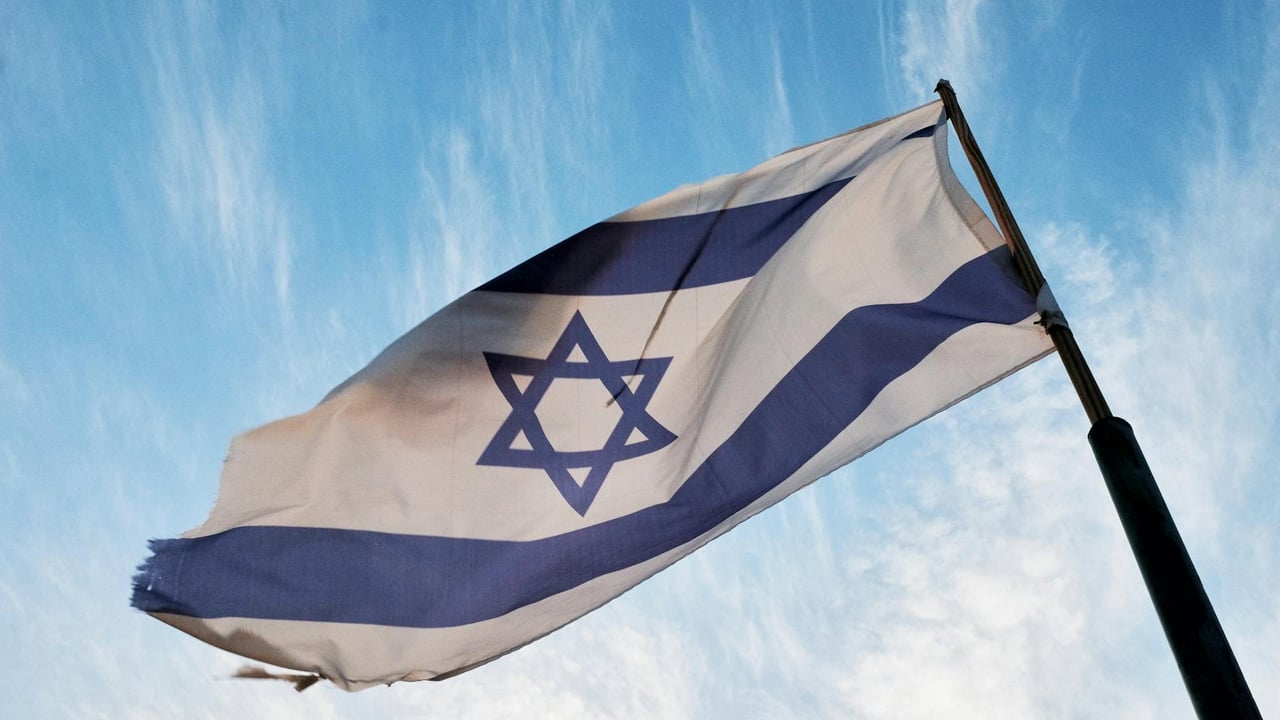

On the 28th, Israeli and U.S. forces mounted strikes against targets in Iran, a development that immediately drew sharp reactions from capitals around the world and prompted warnings about a dangerous new phase of Middle East confrontation. Israeli Defence Minister Yoav Katz described the action as a "pre-emptive" strike; Iran announced it had launched a retaliatory response. The sudden escalation closed a chapter of tit‑for‑tat shadow strikes and risks opening a broader, more conventional cycle of hostilities.
European leaders condemned the assault in measured but firm terms. French President Emmanuel Macron warned that a war involving the United States, Israel and Iran would have “grave consequences for international peace and security” and said France stood ready to deploy resources to protect its closest partners if asked. Spain’s Prime Minister Pedro Sánchez rejected unilateral military action by the United States and Israel and framed the strikes as a clear escalation that would deepen instability across the region.
Brussels also pressed for de‑escalation. European Commission President Ursula von der Leyen and European Council President Pedro Costa called for maximum restraint, protection of civilians, and a renewed push for regional diplomacy. Germany said it had been informed in advance of Israel’s operation and was closely monitoring developments while consulting European partners, signaling both unease and the difficulty Western allies face in reconciling support for Israel with the risks of wider war.
Voices beyond Europe warned of a cascading crisis. Malaysian Prime Minister Anwar Ibrahim said the strikes had pushed the Middle East to the "brink of catastrophe" and urged Washington and Tehran to pursue diplomacy. Slovenia’s president voiced deep concern about a serious escalation that could imperil regional stability. Switzerland and Norway publicly emphasized the need to protect civilians and respect international law, the latter dismissing claims of a lawful pre‑emptive strike absent an imminent threat.
Moscow issued one of the starkest condemnations, calling the U.S. and Israeli actions "armed aggression" and urging an immediate return to political and diplomatic channels. The Russian foreign ministry also offered to help seek a peace settlement grounded in international law and mutual respect, remarks that underscore Moscow’s intent to position itself as a counterweight to Western influence in the region.
The flurry of statements highlights how the strikes have forced states to navigate a complex choice between signalling solidarity with allies and containing the fallout of military escalation. For many Western capitals, public calls for restraint mask a deeper strategic dilemma: how to deter Iran’s regional networks and military capabilities without triggering a spiral that draws in multiple state and non‑state actors.
The legal framing of the strikes is a central point of international debate. Israel’s claim of a "pre‑emptive" justification met with scepticism from Norway and other governments that stressed international law requires an imminent threat to validate such action. That dispute matters because it shapes the diplomatic legitimacy of further operations and could influence how other states respond — from sanctions and diplomatic isolation to covert or overt military support for allied proxies.
Beyond legal and diplomatic quarrels, the strikes carry immediate practical risks. A wider confrontation could imperil global energy markets, threaten maritime routes in the Gulf and Red Sea, and draw in proxy forces such as Hezbollah or Houthi rebels, escalating asymmetrically even if major powers avoid direct, prolonged combat. The velocity of reactions from capitals — from calls for restraint to outright condemnation — signals a shared fear that the status quo in the Middle East may be breaking down and that international institutions will be tested in their ability to arrest further deterioration.