
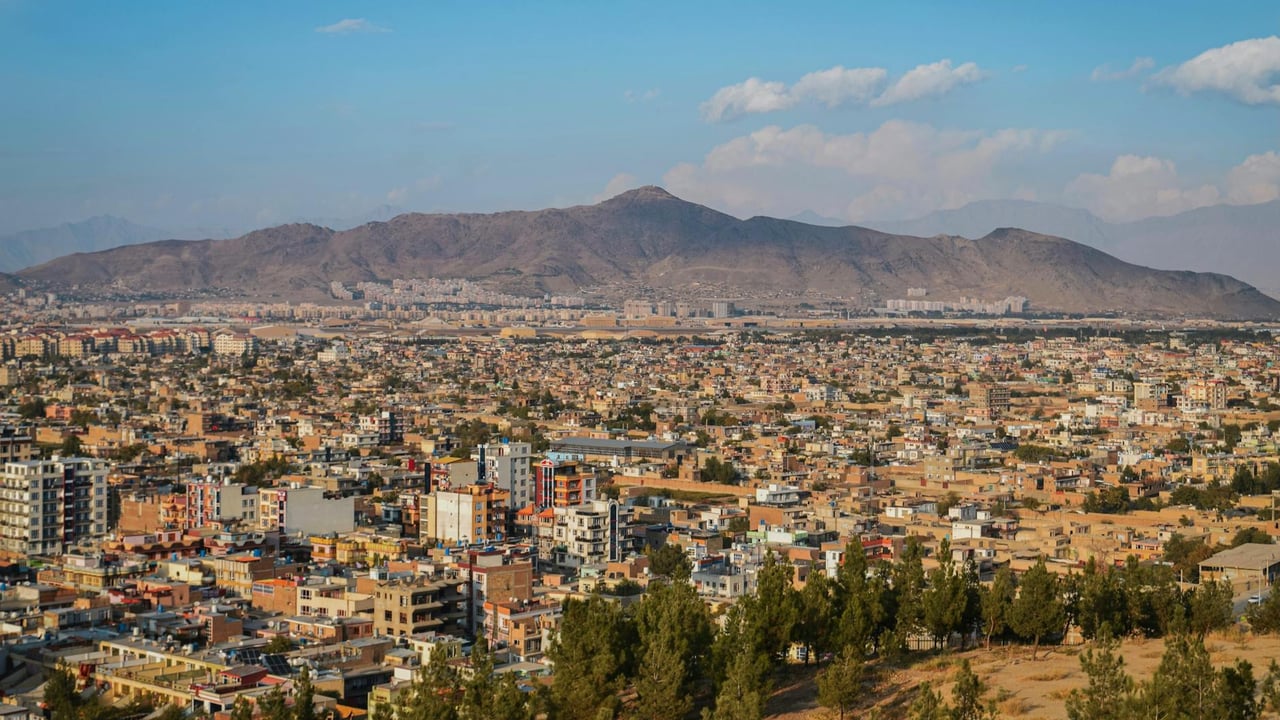

Early on 1 March, Afghanistan’s capital Kabul was the scene of explosions and anti-aircraft fire after the Afghan government said Pakistani aircraft struck the city. A social-media post by Taliban spokesman Zabihullah Mujahid, cited by Chinese state news agency Xinhua, confirmed the strikes and said the situation had been brought under control. Video footage circulated with the report showed Afghan air-defence weapons firing into the sky above the city.
The Xinhua item carried a still credited to a news photographer and provided few operational details: it did not include casualty figures, damage assessments or an on-the-record response from Islamabad. Afghan officials’ public confirmation that Pakistan conducted the raids is nevertheless notable because cross-border air operations that hit a capital risk quick diplomatic and military escalation, and they raise immediate questions about the targets and the legal justification invoked.
Pakistan has long faced militant threats emanating from Afghan territory, particularly from factions such as the Tehreek-e-Taliban Pakistan (TTP), and Islamabad has in the past conducted unilateral operations it says are aimed at eliminating sanctuaries. But a strike on Kabul would be an unusual and striking escalation, given the city’s political centrality and the Taliban’s control of Afghanistan since 2021. Any Pakistani rationale framed as counter‑terrorism will therefore contend with a delicate sovereignty dispute and the optics of striking a neighbouring capital.
The incident matters beyond the immediate blast radius. It tests the already strained relations between Islamabad and Kabul’s ruling authorities, complicates China’s regional diplomacy and economic engagements, and could unsettle neighbouring states that favour stability above cross-border military adventurism. Humanitarian risks and the potential for internal displacement would also increase if such strikes become recurrent, creating wider security spillovers across South and Central Asia.
Key indicators to watch in the coming days include an official Pakistani response, independent verification of the targets and any casualty toll, the Taliban government’s next diplomatic steps, and reactions from major regional stakeholders such as China, Iran and Russia. Whether this episode remains an isolated incident or marks the start of a sustained campaign will determine its long-term impact on regional security dynamics.