
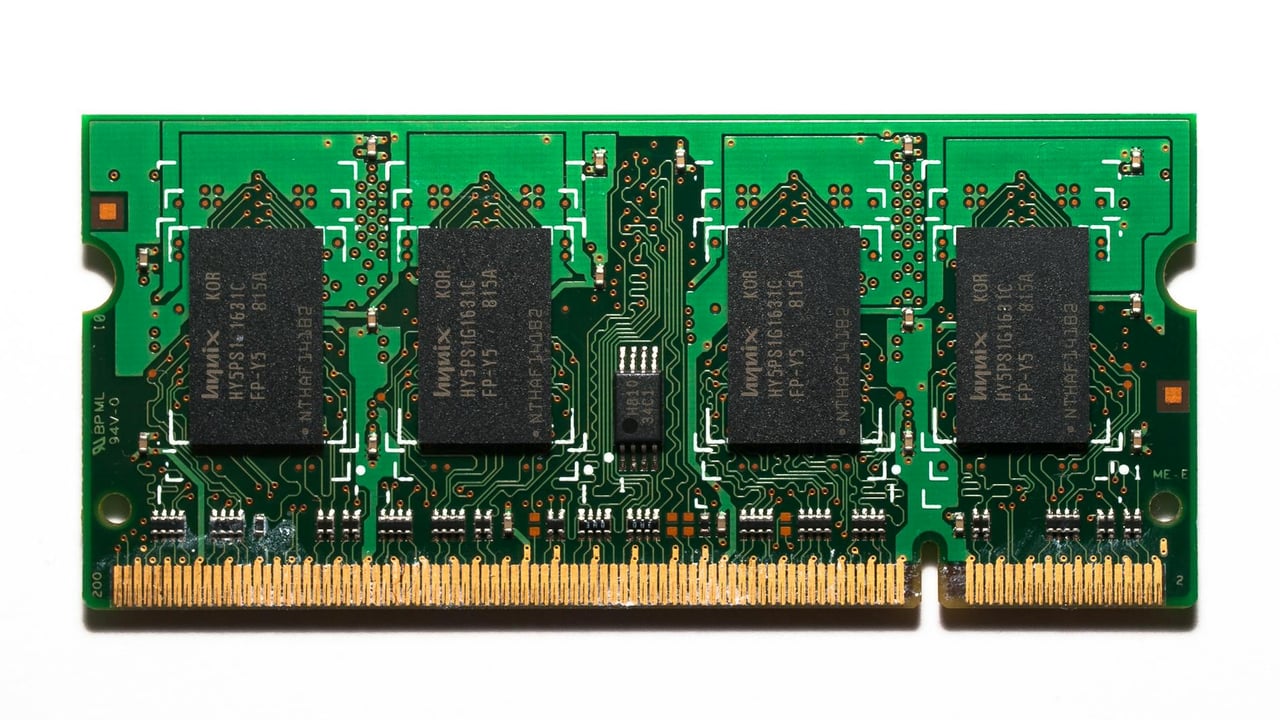

South Korea posted a dramatic rebound in exports in February, with outbound shipments rising 29% year‑on‑year to $67.45 billion and setting a new February record. Semiconductors were the standout: shipments jumped 160.8% to $25.16 billion, the strongest monthly performance on record and the third consecutive month above $20 billion.
The immediate driver is an abrupt expansion of investment in artificial‑intelligence infrastructure. Heavy procurement by cloud operators and data‑centre builders has created excess demand for memory chips — particularly DRAM and NAND — pushing prices sharply higher after a painful industry downturn in recent years. That price rebound amplified the value of Korea’s shipments even where unit volumes have risen more modestly.
For South Korea’s economy and its large electronics conglomerates, the windfall matters. Memory makers account for a large share of the country’s goods exports; rising prices and better utilisation rates will lift corporate revenue and improve trade‑balance metrics. The surge also increases the odds of renewed capital spending on fabs and equipment as manufacturers seek to monetise the stronger cycle.
The effects will ripple through global technology markets. Higher memory prices raise costs for cloud providers, handset makers and consumer‑electronics firms, potentially squeezing margins or passing costs on to end users. At the same time, stronger profits for Korean suppliers could accelerate capacity expansion plans, drawing investment and altering the international supply balance for a component central to contemporary AI workloads.
The upside comes with familiar cyclical risks. Memory markets are volatile: a wave of capacity additions or a slowdown in AI procurement could quickly reverse price gains. Moreover, policy and geopolitical dynamics — including export controls, subsidies in the US and Europe, and Chinese efforts to build domestic capability — will shape how durable Korea’s advantage proves to be.
February’s figures are a clear signal that AI is reshaping semiconductor demand in a way that benefits incumbent memory producers in South Korea. What matters next is whether the current price environment sustains long enough to fund strategic investment without triggering an oversupply cycle, and how governments and competitors respond to the shift.