
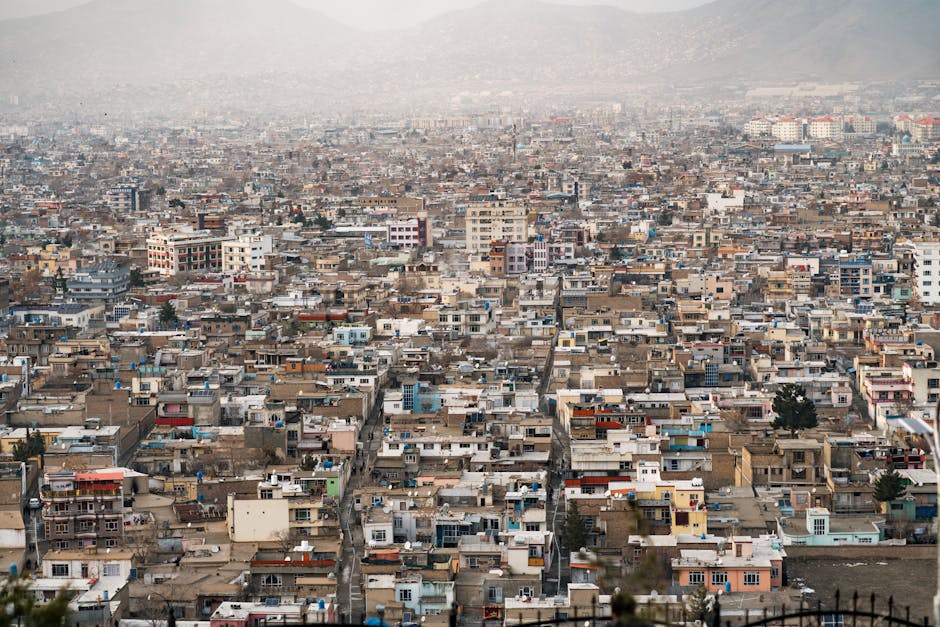

Early on 1 March, explosions rang out over Kabul as Afghan air-defence units opened fire, images released by Chinese state media Xinhua showed. The de facto Afghan government’s spokesman, Zabihullah Mujahid, took to social media to say that Pakistan had carried out airstrikes on the capital and that the situation was under control.
The incident is notable for its location: an alleged cross-border strike into a national capital marks a sharp escalation from the more common pattern of artillery or drone strikes in remote border districts. Xinhua’s footage of air-defence batteries firing suggests Afghan forces perceived an aerial threat significant enough to engage publicly over populated areas.
For Islamabad, strikes across the Afghan frontier have historically been framed as efforts to hit insurgent sanctuaries — most often militants that have threatened Pakistani cities and installations. For Kabul’s rulers, whose claim to provide security is central to their domestic legitimacy, an airstrike in Kabul is both an affront to sovereignty and a test of their capacity to deter external aggression.
The episode carries immediate diplomatic consequences. Cross-border bombardment of a capital risks widening bilateral tensions and invites international scrutiny. Neighbouring states, humanitarian agencies and global powers that have interests in regional stability will be watching for retaliatory measures, formal protests, or requests for mediation.
Longer-term, the strike underlines two structural risks: the fragility of Afghanistan’s post-2021 order and the danger that bilateral security disputes between Pakistan and Afghanistan spill into broader regional instability. If Pakistan’s threshold for direct action across the border has shifted, neighbouring capitals and international interlocutors will need to reassess contingency plans for escalation and refugee flows.
For Kabul’s rulers, the immediate imperative will be to demonstrate control and deter further incursions without allowing the situation to spiral into reciprocal strikes. For Islamabad, any justification in terms of counterterrorism will have to be weighed against the diplomatic cost and the risk of drawing Pakistan deeper into a prolonged confrontation with its neighbour.