
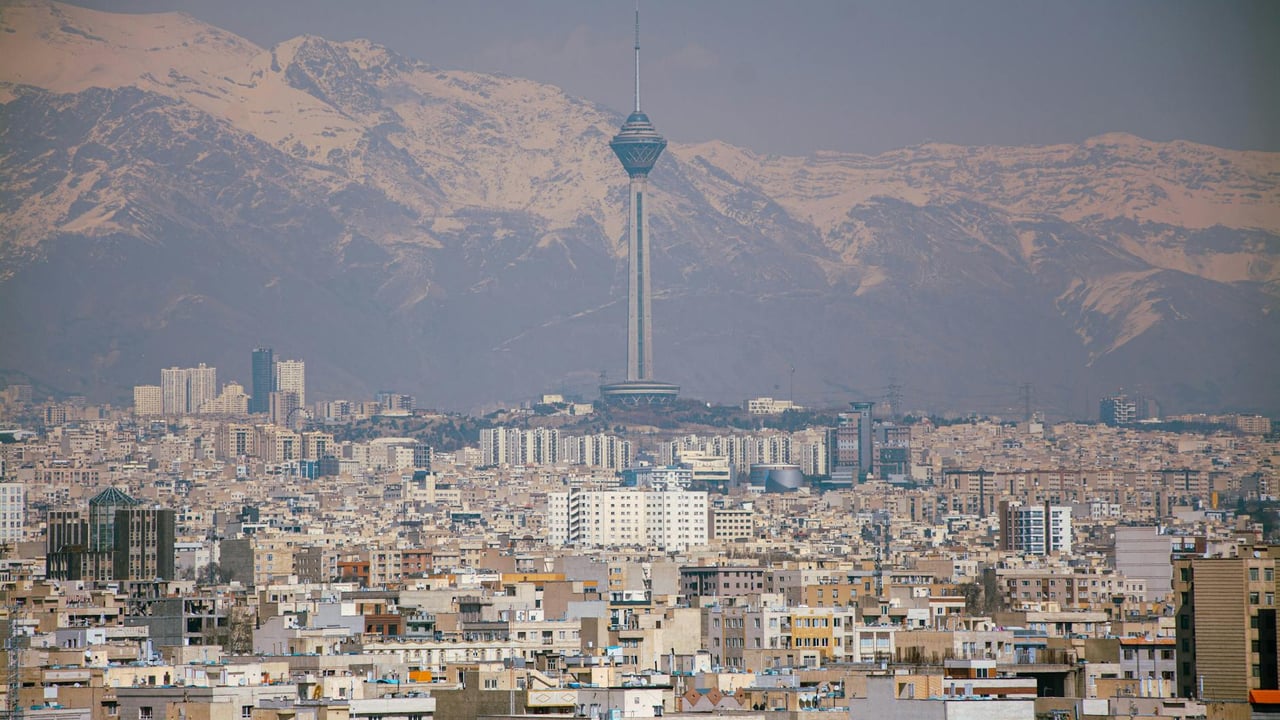

Israel's military announced on March 1 that it had for the first time struck targets in the central area of Tehran, marking a dramatic intensification in a long-running shadow conflict between the Jewish state and the Islamic Republic. Chinese state media Xinhua reported that its journalists in Tehran heard several large explosions and saw rising plumes of smoke, but independent, on-the-ground verification of the strikes' scope and damage remains limited.
If confirmed, an Israeli strike reaching the heart of Iran's capital would represent a departure from the pattern of covert operations, assassinations and strikes against Iranian assets in Syria and elsewhere that have characterised the past decade. Israel has long signalled it would act to blunt perceived existential threats from Iran's nuclear and missile programmes and to disrupt its regional networks, but direct action inside Tehran moves the confrontation into new and riskier territory.
The immediate implications are straightforward: heightened risk of Iranian retaliation, either directly against Israeli targets or through proxies such as Hezbollah in Lebanon and allied militias in Syria and Iraq. Tehran has options that fall short of full-scale war — from cyber and missile strikes to stepped-up attacks on shipping in the Gulf and Red Sea — but any calibrated response could rapidly spiral into wider violence given the density of hostile forces and alliances across the region.
Beyond the battlefield, this episode complicates diplomacy and logistics for international actors. The United States and European capitals will face pressure to clarify their red lines and contingencies; energy markets and global supply routes could react nervously if hostilities expand toward the Gulf or Red Sea. For regional governments, the strike intensifies the dilemma of balancing deterrence with the risk of being drawn into a larger conflagration.
Assessing motive and message, Israel may be seeking to signal that it can reach critical Iranian centres and leadership nodes, thereby aiming to deter further escalation or coerce concessions without committing to a prolonged ground campaign. But signalling carries costs: the credibility of restraint depends on how Iran responds, and the threshold for a miscalculation is now lower.
For observers, the crucial questions are whether Iran opts for measured retaliation or a broader campaign of reprisals, how regional proxies adjust their posture, and whether international mediators can re-establish backchannels to de-escalate. Whatever the next moves, the episode underscores that the proxies-and-covert-playbook that governed much of the past decade may be breaking down, increasing the prospect of more overt, and dangerous, confrontation between Israel and Iran.