
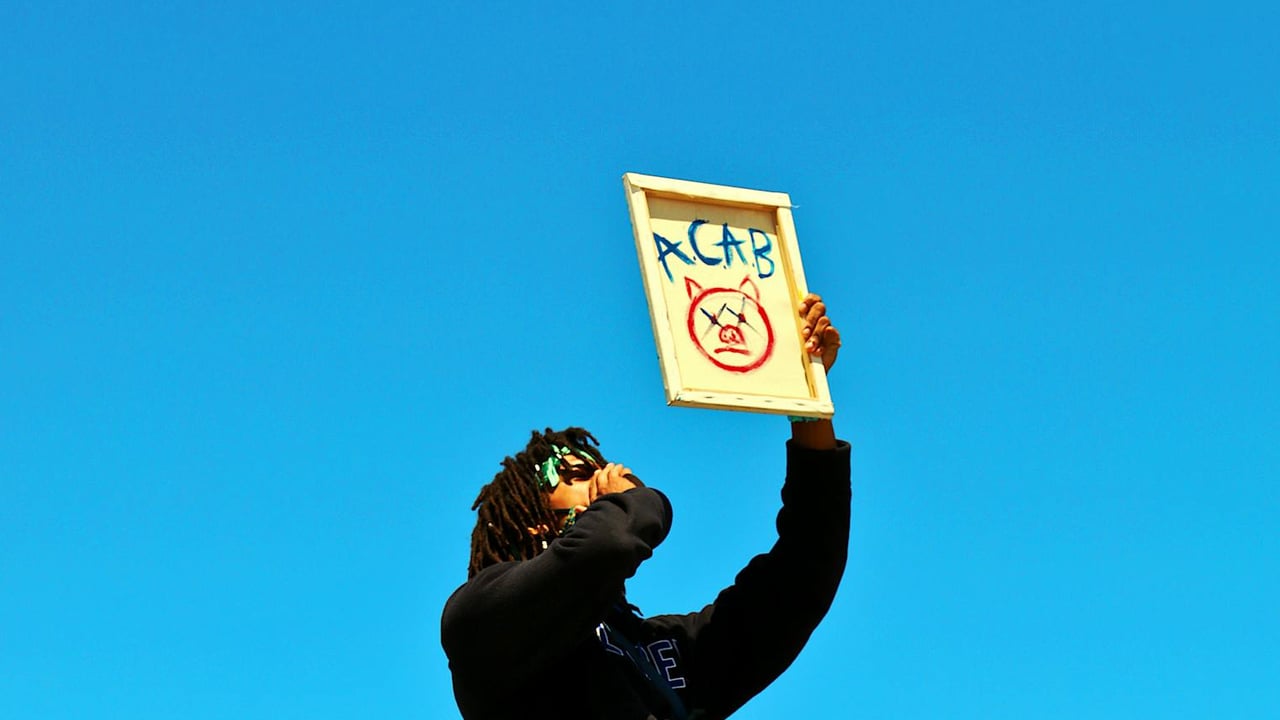

A joint US-Israeli strike on Tehran and other Iranian targets on February 28 unleashed a wave of large-scale antiwar demonstrations across the United States, from Washington and New York to Los Angeles, Chicago and dozens of other cities. Protesters accused President Donald Trump of bypassing Congress and dragging the nation into a Middle Eastern conflict without statutory authorization, chanting that the administration had overstepped constitutional limits.
Scenes outside the White House and in Times Square were raw and vocal. Demonstrators held signs denouncing the strikes as unilateral and dictatorial, while civil liberties groups and Democratic lawmakers demanded immediate congressional action to block what they called an unconstitutional use of force.
Commentators and former intelligence officials framed the strikes as politically timed. Christopher Chevis, a former US intelligence officer now at the Carnegie Endowment for International Peace, argued the operation resembled a “diversionary war” designed to shift attention away from an assortment of domestic troubles — from fallout over Minneapolis civil-rights unrest and revelations in the Epstein files to a recent court rebuke of the administration’s tariff policy.
Legal and institutional questions have moved to the fore. The American Civil Liberties Union joined dozens of Democratic members of Congress in urging lawmakers to assert their constitutional prerogative: only Congress may authorize sustained use of military force. That appeal revives long-running debates over the War Powers Resolution and the post-9/11 Authorizations for Use of Military Force that presidents of both parties have relied upon.
Security agencies also reacted to the strikes. The FBI’s counterterrorism and counterintelligence divisions were placed on heightened alert domestically, while the Department of Homeland Security said it was coordinating with federal partners to monitor and guard against potential retaliatory threats on US soil.
Strategically, critics warned that an operation driven by spectacle rather than clear, durable objectives risks becoming another destabilizing episode in the region. Analysts pointed to the post-intervention trajectories of Libya and Afghanistan as cautionary tales: tactical displays of force can create prolonged instability if not followed by a coherent political strategy for what comes next.
For American politics, the strikes pose a double-edged challenge. They may momentarily rally supporters who view force as decisive leadership, yet the swift and broad protests signal deep domestic weariness with open-ended foreign entanglements and a fierce insistence that checks and balances be respected. How Congress, the courts and public opinion respond in the days ahead will help determine whether this episode becomes a short-lived spectacle or a turning point in US foreign policy and governance.