
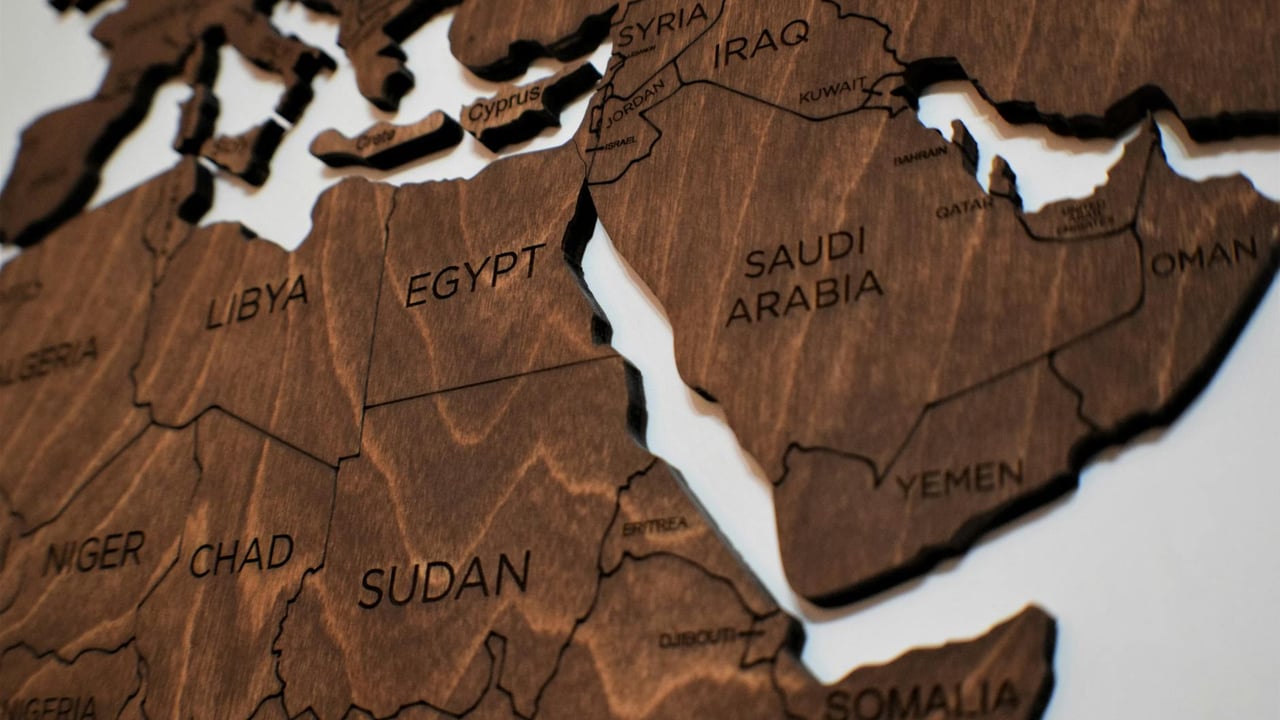

Chinese military outlet SoMi reported on March 1, 2026 that United States and Israeli forces had carried out coordinated "preemptive" strikes against Iranian targets. The short dispatch, republished by China Military Network, described the action in stark terms but provided few verifiable operational details and no independent confirmation from Western or Iranian official channels was immediately available.
If accurate, the strikes would mark a dramatic escalation in a region already tense from years of proxy fighting, sanctions and intermittent attacks on shipping lanes and bases. The term "preemptive" implies an intent to forestall an imminent threat, a rationale that has historically been invoked to justify strikes aimed at degrading weapons capabilities or disrupting planned operations, but it also raises the bar for international scrutiny and legal debate.
Iran has for years been engaged in a multi-front contest with the United States and Israel over its nuclear ambitions, ballistic-missile programmes and support for allied armed groups across the Levant and the Gulf. Israeli policymakers have repeatedly signalled a willingness to use force to prevent what they view as an existential threat, while successive U.S. administrations have combined pressure campaigns with periodic strikes and covert operations to constrain Tehran's capabilities.
The immediate strategic risks are twofold. First, Tehran could retaliate directly against Israeli or American assets, or more likely through proxies such as Hezbollah, militia networks in Iraq and Syria, or maritime harassment in the Red Sea and Persian Gulf—actions that could widen the conflict and endanger commercial trade routes. Second, the geopolitical fallout would be considerable: oil and shipping markets would react quickly, neighbouring states would be forced to pick sides or manage security spillovers, and international institutions would face intense pressure to mediate while credibility over enforcement of international law would be tested.
For global observers the core questions now are confirmatory and predictive. Independent verification of targets, casualties and the scale of the strikes is essential to assess whether this is a limited tactical operation or the opening move in a broader campaign. Diplomatic channels, back-channel communications and emergency sessions at bodies such as the UN Security Council will determine whether the episode is contained or accelerates into sustained regional warfare.