
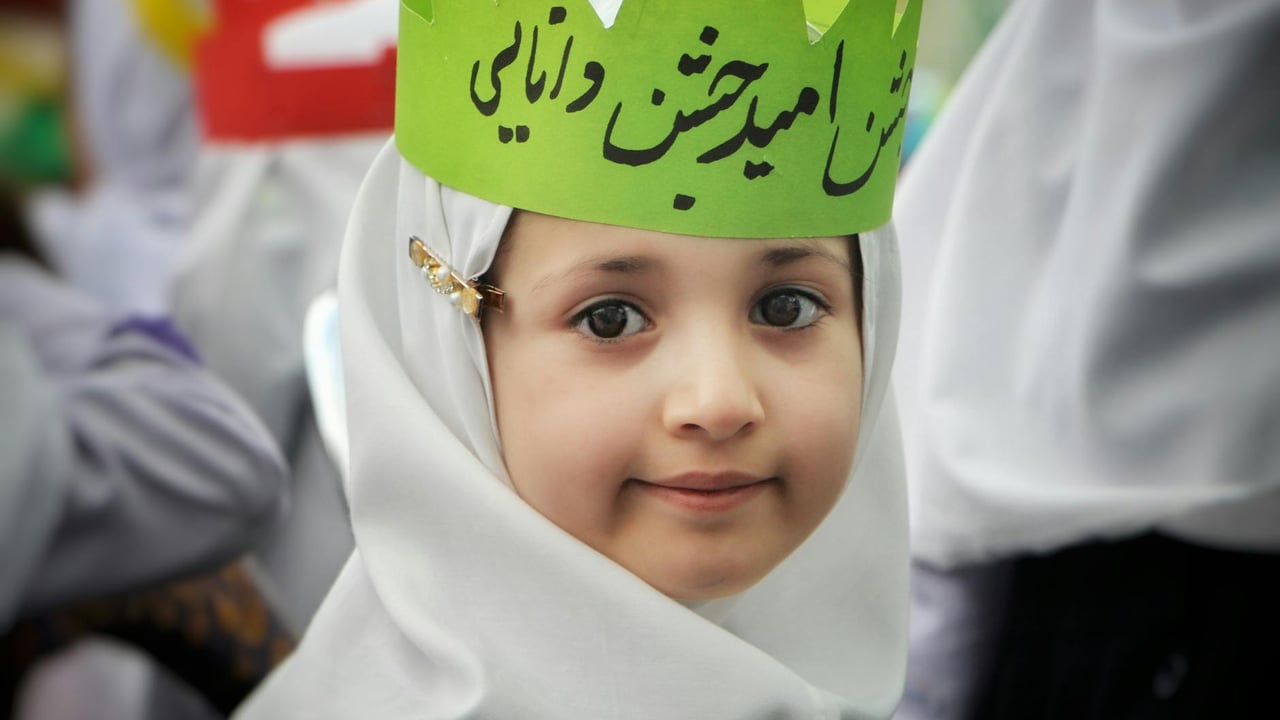

A primary school in the southern Iranian city of Minab was left in ruins after an attack that state media say killed 148 people and wounded 95, turning backpacks and classrooms into scenes of mourning and rescue. Photographs distributed by local outlets show rescue workers and residents digging through rubble and carrying torn schoolbags, the human cost starkly captured in images of a community shattered in minutes.
Iran's Tasnim news agency reported the casualties and noted that the school sits near an Islamic Revolutionary Guard Corps (IRGC) installation, which Iranian officials say was targeted amid military actions by the United States and Israel the previous day. Officials and local rescuers described frantic attempts to recover children and teachers from collapsed masonry; independent verification of the strike and attribution of responsibility is currently unavailable.
The attack — on a clearly civilian site used by children — cuts across long-established international norms and would amplify calls for accountability if confirmed. Strikes in populated areas that cause mass civilian casualties raise questions about target selection, intelligence, weapon type and whether adequate precautions were taken to avoid disproportionate harm.
Beyond the immediate humanitarian emergency, the strike risks rapid political and military repercussions. Tehran is likely to use the incident to justify retaliatory measures and to harden public opinion against the United States, Israel and their partners. Hardline elements within the Iranian political system will see the episode as evidence of existential threat, strengthening arguments for further reciprocal or proxy measures in the region.
The wider strategic context is one of heightened regional tension. Over recent months, limited strikes and asymmetric responses have knit together a pattern of escalation in the Gulf, Levant and beyond; an attack that produces mass child casualties could be a breaking point that compels a larger, riskier response from Tehran or its allied militias. International actors — including humanitarian organisations and the United Nations — will face pressure to investigate and to press for measures that protect civilians.
For ordinary Iranians in Minab and elsewhere, the consequences are immediate and practical: grieving families, interrupted schooling for a generation of children, and increased militarisation of daily life. The strike will deepen distrust of external powers and could harden domestic political divisions while providing the state with a rallying point to consolidate support for tougher security policies and the IRGC’s role.