Missile Strike on Beit Shemesh Deepens Iran–Israel Confrontation, Leaving Dozens Dead or Wounded

An Iranian missile struck a residential building in Beit Shemesh on 1 March, killing or injuring more than 20 people and wounding others after missile debris detonated elsewhere in central Israel. The strike represents a significant escalation in Iran–Israel tensions, raising the risk of retaliatory strikes and broader regional spillover.

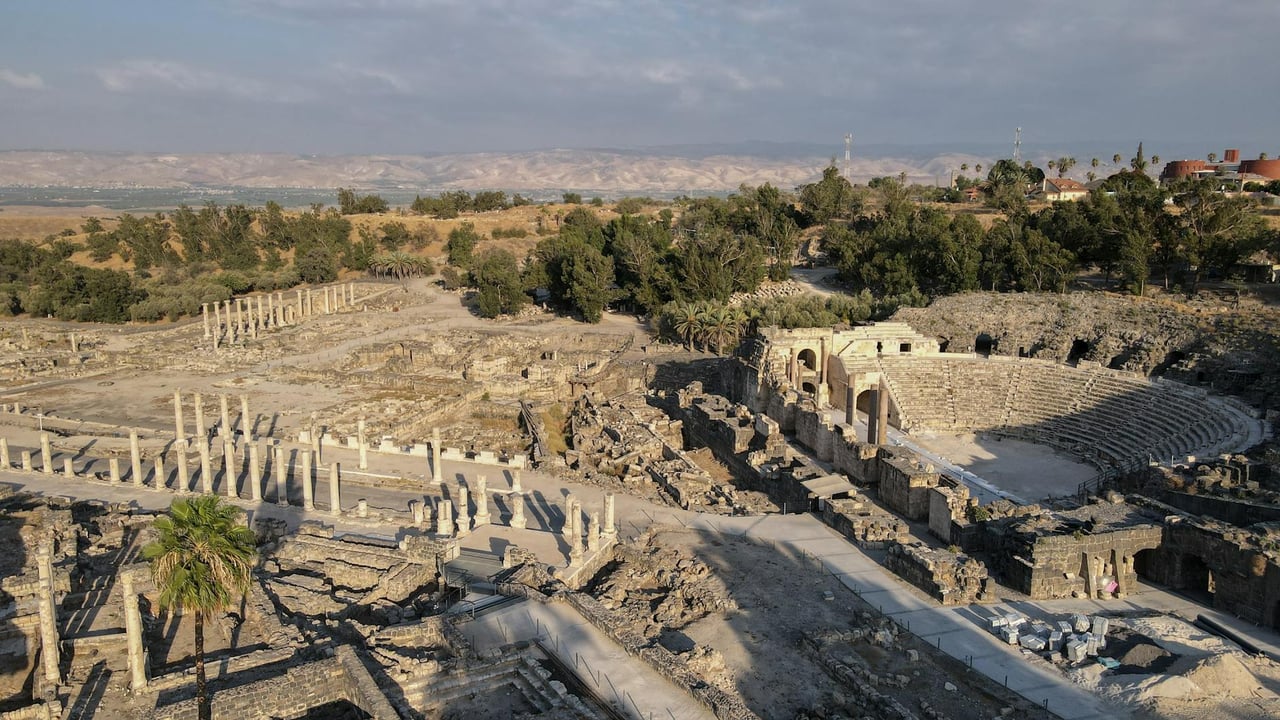
Explore the stunning ancient ruins of Beit She'an, Israel from above.

Key Takeaways

  • 1An Iranian missile hit a building in Beit Shemesh, central Israel, causing over 20 casualties and structural collapse.
  • 2Emergency responders and Israeli security forces were deployed to the scene; a separate missile fragment caused additional injury.
  • 3The attack constitutes a notable direct strike attributable to Iran on Israeli territory and raises the stakes in Tehran–Jerusalem hostilities.
  • 4Risks include Israeli military retaliation, regional escalation involving proxies, and diplomatic strain affecting global markets and security.
  • 5Civilian casualties will increase domestic pressure in Israel for a strong response and complicate humanitarian recovery.

Editor's
Desk

Strategic Analysis

This strike alters the tactical and political terrain between Iran and Israel. Tehran’s decision to authorize or enable a missile to land inside Israeli population centers signals an escalation intended to demonstrate deterrent credibility or to retaliate for prior actions that Iran attributes to Israel. For Israel, the imperative is to restore deterrence without triggering an uncontrollable regional war; that narrows options to calibrated military responses, targeted strikes on Iranian assets or proxies, and intensified intelligence and defensive measures. Washington and other global actors will face pressure to stabilize the situation while avoiding entanglement. The longer-term implication is a higher risk of episodic high-casualty strikes inside Israel and reciprocal operations in Iran’s sphere of influence, complicating diplomatic efforts to manage the wider Middle East and increasing the chance of miscalculation leading to broader conflict.

China Daily Brief Editorial
Strategic Insight
China Daily Brief

An Iranian missile struck a residential building in the central Israeli city of Beit Shemesh on 1 March, causing an explosion and partial collapse that Israeli authorities say left more than 20 people dead or injured. Emergency services, including the military, fire brigades and ambulances, rushed to the scene as rescue teams worked amid rubble and smoke. Israeli medical personnel also reported that a separate missile fragment fell elsewhere in central Israel and detonated, wounding at least one person.

The attack marks a rare direct strike attributed to Iran on Israeli territory and landed in a densely populated area within easy reach of Jerusalem. Beit Shemesh, home to a mix of secular and religious communities and situated on the country’s western hill country, has not previously been a frontline target in the same way as Israel’s northern border with Lebanon or the Golan Heights. Civilian casualties from strikes inside Israel intensify public pressure on political and military leaders to respond decisively.

The incident escalates a long-running, multi-domain confrontation between Tehran and Jerusalem that has seen strikes, proxy attacks and cyber operations across Syria, Iraq, Lebanon and the wider region. Iran has increasingly demonstrated capabilities to project power beyond its borders through missile and drone strikes and by arming proxies such as Hezbollah and allied militias. For Israel, which has long pursued a strategy of pre-emption and retaliation to blunt Tehran’s regional reach, a direct Iranian strike represents both a military provocation and a political challenge.

Immediate consequences are likely to include heightened military readiness and targeted retaliatory options from Israel, diplomatic outreach to secure international backing, and alarm among regional actors wary of a broader conflagration. Global markets and maritime routes could feel ripples if the situation prompts further escalation in the Levant or draws in Gulf-based proxies. Humanitarian concerns are acute: civilian deaths and damage to urban infrastructure will complicate post-strike recovery and further harden domestic public opinion in Israel for a robust response.

Share Article

Related Articles

📰
No related articles found