
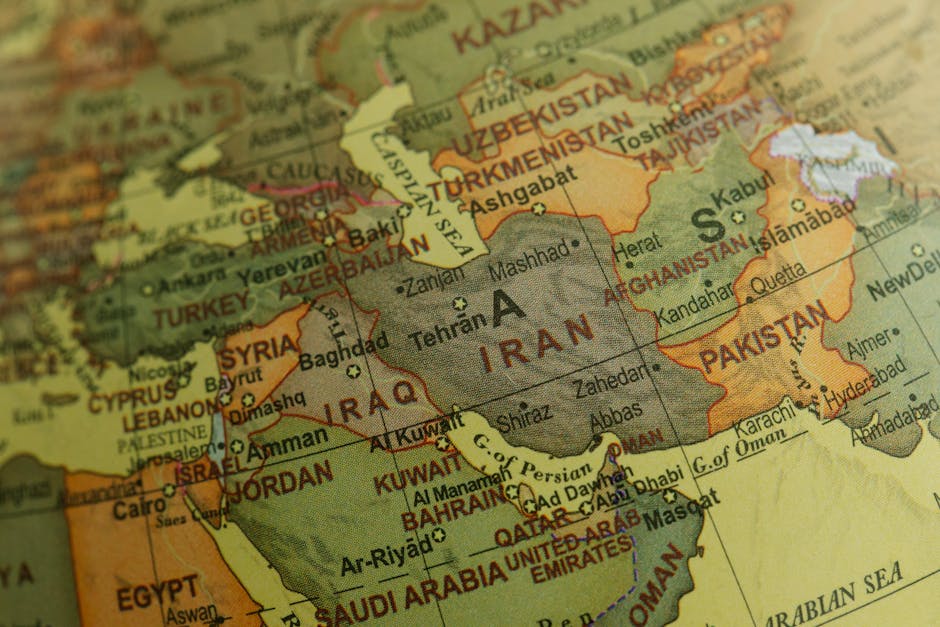

The Islamic Revolutionary Guard Corps (IRGC) on the night of March 1 released an eighth communique in a series it calls “Real Promise 4,” asserting that a sustained campaign of strikes across the Persian Gulf and Strait of Hormuz has inflicted heavy damage on American and allied assets. The statement said three US- or UK-linked tankers were hit by missiles, multiple US maritime infrastructures in Kuwait were destroyed, Kuwait’s Ali Al-Salim US base was put out of operation, and US facilities in Bahrain were struck by drones and ballistic missiles.
The IRGC further claimed that its counterstrike operations have so far produced 560 US casualties. The figure was presented as a cumulative tally of the campaign and was circulated widely on state-aligned channels and social media; it has not been independently verified, and Washington has not publicly confirmed casualties at that scale.
If accurate, the strikes described by the IRGC would represent a sharp escalation in kinetic activity in one of the world’s most strategically sensitive chokepoints for energy and trade. The Strait of Hormuz handles a sizable share of global oil shipments, and attacks on tankers and maritime infrastructure risk disrupting shipping, raising insurance costs, and triggering rapid movements in oil and gas markets.
Beyond commercial implications, the attacks — and the IRGC’s public accounting of casualties — appear designed for political effect. Tehran has in recent years cultivated a strategy of asymmetric strikes, proxy engagement, and calibrated signaling to raise costs for US forces while trying to avoid full-scale war. High, headline-grabbing casualty figures perform domestic and regional messaging functions even if their operational accuracy is unclear.
Regional partners are now exposed to hard choices. Kuwait and Bahrain host significant US facilities and must weigh force protection, diplomatic posture toward Tehran, and domestic stability. Washington faces pressure to verify the IRGC’s claims, protect personnel and assets, and decide whether to respond militarily, legally, or diplomatically — each option carries risks of escalation.
For the broader international community, the episode underscores persistent vulnerabilities in Gulf security architecture. European and Asian importers of Gulf hydrocarbons will watch closely for any contagion that could interrupt supplies. Shipping firms and insurers may accelerate route adjustments or risk-premium pricing, with knock-on effects for global trade.
At present the facts remain contested. The IRGC’s communique is definitive in tone but unverifiable in its specifics; independent confirmation from on-the-ground sources, satellite imagery, or US and allied statements will be decisive in assessing the real scale and consequences of the claimed strikes. Until such verification emerges, policymakers must balance deterrence, de-escalation, and the practical need to secure maritime commerce.