

A sharp spike in hostilities between Iran, the United States and Israel has rippled across the Middle East, shutting airspace, grounding flights and prompting a temporary blockade of the Strait of Hormuz. Governments from Doha to Manama closed their skies and airlines cancelled thousands of services, leaving hundreds of thousands of passengers stranded at major hubs such as Dubai and Doha. Videos from Dubai International showed panicked crowds and smoke-filled corridors as nearby explosions forced mass evacuations.
The immediate shock has not been limited to aviation. Iran declared the Strait of Hormuz closed to all shipping on the evening of February 28, and maritime traffic-monitoring systems recorded tankers dropping to near-zero speed or anchoring outside the strait to avoid danger. One unflagged tanker was reportedly struck and foundering after attempting passage. The waterway handles roughly one fifth of seaborne oil flows; estimates of disrupted capacity run as high as 15 million barrels per day in a severe stoppage scenario.
Airlines and energy firms reacted swiftly. FlightAware data showed more than 2,600 cancellations within days of the exchanges, and major carriers including those from China published emergency rebooking and refund rules for flights touching the region. Large oil traders and shippers instructed crews to avoid the strait, and several European flags ordered their vessels not to transit. The International Energy Agency said markets were being monitored and supply remained adequate for now, but analysts warned of substantial upside risks to global crude prices.
The military backdrop is critical. The United States maintains a dense network of bases and logistical hubs across the Gulf, including in Qatar, Bahrain, Kuwait, the UAE and Saudi Arabia. Iran’s retaliation targeted multiple regional facilities and, according to Gulf militaries, prompted the interception of dozens of incoming missiles and drones. Civilian populations and infrastructure in several states have been affected by debris and blast damage, underscoring how quickly a confrontation between state actors can drag neighbours into peril.
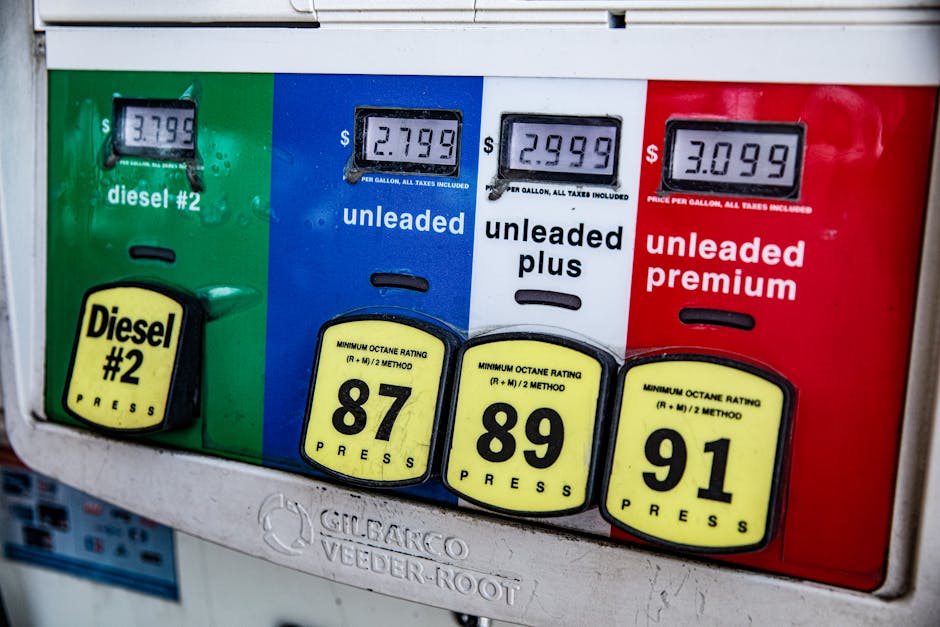
For global markets and consumers the implications are immediate and tangible. Traders and market commentators expect benchmark Brent prices to test previously seen resistance levels; in a prolonged disruption, analysts place Brent near or above $100 per barrel. Higher oil prices would feed into inflationary pressures in advanced economies still battling elevated living costs, complicating monetary authorities’ efforts to balance growth and price stability and adding a political dimension in countries with imminent elections.
Beyond prices, there are wider supply-chain and strategic consequences. Rerouting tankers around Africa adds cost and time, while insurance premiums and security surcharges would rise, pushing up fuel costs for industry and transport. Regional airspace closures fragment the global aviation network, causing knock-on cancellations and logistical bottlenecks that reverberate through tourism, freight and business travel.
The near-term picture remains one of volatility and great uncertainty. International agencies and governments are monitoring sea lanes and energy stocks closely, while airlines and shipping companies weigh operational pauses against security risks. The longer-term outcome depends on whether the exchange between Tehran, Washington and their partners de-escalates or expands into broader regional confrontation that could institutionalise higher energy and transport costs for months to come.