
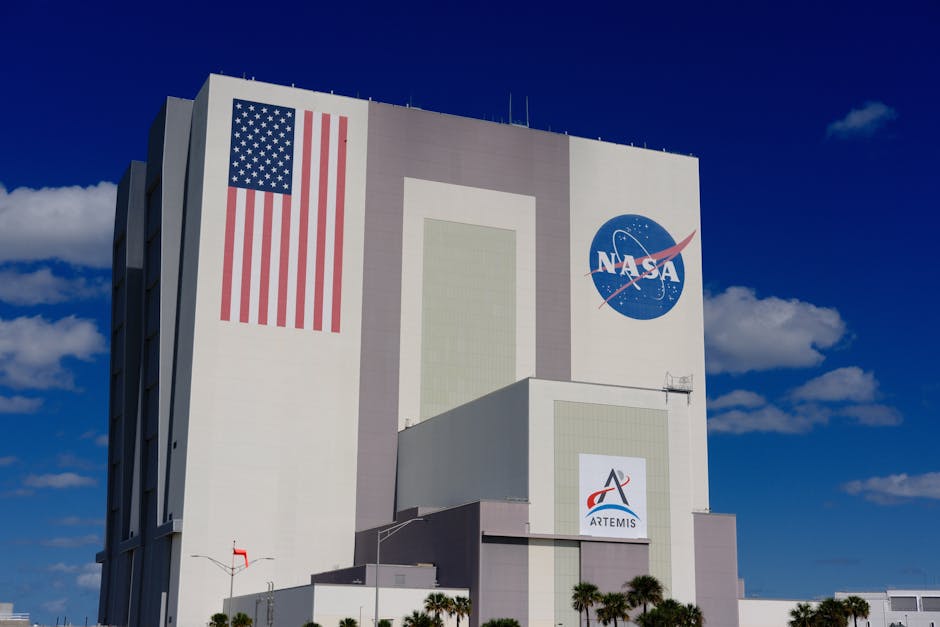

NASA has announced a major reshuffle of its Artemis human‑return-to-the‑Moon programme after a string of technical setbacks and safety warnings forced agency leaders to slow the schedule. The agency will insert an additional test flight into the campaign and repurpose the originally planned Artemis III mission — once intended to land astronauts on the lunar south pole — into an orbital “practice” mission focused on docking and procedures in near‑Earth orbit in 2027. Crewed lunar landings have been postponed to later missions now targeted for 2028 (Artemis IV) and 2030 (Artemis V).
The decision follows recent failures and faults on key hardware. Most prominently, the Space Launch System heavy rocket experienced a helium leak in February that disrupted preflight processing and forced at least a one‑month slip of Artemis II from its prior March date into April at the earliest. Safety reviewers have also urged a more cautious schedule, prompting NASA leadership to add verification steps rather than press ahead with the original back‑to‑back cadence.
Newly installed NASA chief Isaacman has framed the changes as part of a broader institutional reset. Having visited the agency’s centres and convened multiple internal reviews in his first weeks in office, he criticised years of “complacency” and said three‑year gaps between major launches were unacceptable. Isaacman urged a return to predictable, standardized hardware and a cadence more reminiscent of the Apollo era — ideally annual or better — to rebuild technical discipline and restore public confidence.
The Artemis architecture is complex and interdependent: the programme relies on the SLS rocket to launch Orion crew capsules, on a commercially provided human landing system to ferry astronauts from lunar orbit to the surface, and on international and industry partners for logistics and science payloads. That web of dependencies makes timetable shifts difficult and expensive: a fault in any major element ripples across crew training, rendezvous rehearsals, contractor schedules and Congressional funding cycles.
For Washington the implications reach beyond schedule slippage. The revised timetable reduces NASA’s ability to set the tempo of lunar exploration at a moment when other state and commercial actors are accelerating their programmes. A slower, more cautious Artemis risks ceding initiative to competitors while increasing programme costs through repeated rework and stretched contractor commitments. At the same time, the added test flight may lower operational risk, improving long‑term prospects for a sustainable presence on and around the Moon.
Practical questions remain. Washington will watch whether the extra test flight and tighter internal oversight can prevent further technical surprises and whether the agency can realistically tighten launch cadence without a sustained increase in funds and industrial capacity. The near term focus will be on resolving SLS’s technical faults, completing the Artemis II lunar‑flyby mission, and ensuring the readiness of the human landing system and docking procedures rehearsed in the newly repurposed Artemis III.
In short, NASA has traded near‑term ambition for added caution. The move reflects both the fragility of large, government‑led aerospace programmes and the tension between delivering high‑risk national goals quickly and doing so safely and sustainably.