

A renewed bout of Middle East violence has rippled through global commodities and financial markets, while Beijing has quietly adjusted a key foreign-exchange tool to steady the yuan and support exporters. Oil and precious metals jumped as the United States and Israel struck targets in Iran and Tehran launched extensive counterattacks; traders fled to traditional safe havens even as Chinese equities staged a post‑holiday recovery.
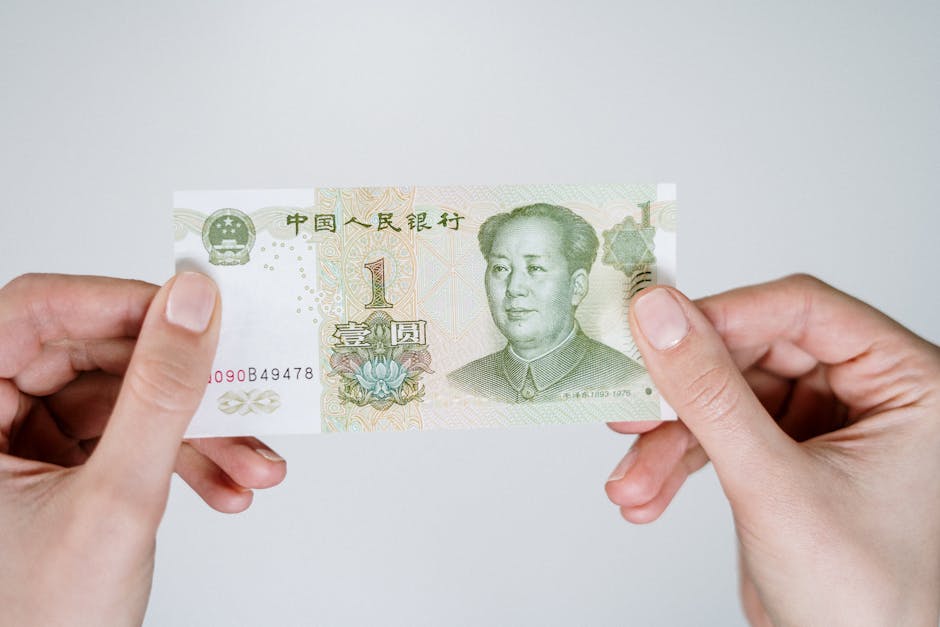
Chinese policymakers moved in parallel. The People’s Bank of China cut the foreign‑exchange risk reserve requirement on forward sales from 20% to zero, effective 2 March, lowering hedging costs for firms and signalling a willingness to let the yuan float within a two‑way range rather than resist short‑term moves. The step is the clearest monetary signal Beijing has used in nearly three and a half years to ease pressure on corporate hedging and to nudge market expectations.
Domestic equity flows and investor sentiment have responded robustly. Nearly nine in ten actively managed equity funds in China reported year‑to‑date gains through 27 February, with dozens of products posting double‑digit returns. The rally was concentrated in select themes; managers focused on cyclical and commodity plays and several small‑cap names experienced extreme price moves prompting warnings about speculative overheating.
One conspicuous market story is the surge in tungsten, which has climbed more than fourfold in just over a year. The metal, used in hard metal tools, aerospace and defence components, has become a focal point for traders worried about constrained supply and heightened demand from industrial upgrades. Producers and equipment makers now face a critical period in which pass‑through of higher raw‑material costs and potential policy responses will determine profitability and capital spending.
Technology and industrial investment dynamics are shifting at pace. Domestic robotics companies have attracted large financing rounds as the humanoid and automation space heats up — funding that underlines a rapid move from lab prototypes to industrial deployment. At the same time, the AI narrative is fracturing globally: a US market correction has exposed doubts about near‑term monetisation, prompting big asset managers to take divergent positions on technology heavyweights.
That divergence is visible in global institutional filings. Some titans reduced exposure to expensive tech names, while others doubled down, reflecting a split view on whether AI is a secular productivity engine or a short‑term valuation bubble. Meanwhile, high‑profile deals and partnerships — notably an OpenAI arrangement to deploy models on US defence networks and Nvidia’s push to make telecoms an AI battleground — are accelerating the move of frontier AI into critical infrastructure and industrial systems.
Corporate headlines were mixed. Luxury carmaker Mercedes reported a sharp fall in profits, highlighting demand and margin pressures in legacy manufacturers as they pivot to electrification. At home, several Chinese listed firms faced market‑abnormal trading patterns and regulatory scrutiny after rapid share moves, underscoring risks from sentiment‑driven rallies amid thin liquidity and concentrated flows.
Taken together, the trends point to a market environment where geopolitics, commodity scarcity and policy nudges interact. Commodities — from oil to small metals like tungsten — are acting as transmission channels for geopolitical risk into real‑economy costs. Beijing’s forward‑cover relief shows an appetite to cushion corporates and stabilise currency expectations, but it also reduces a tool that could have been used to slow capital inflows if the yuan were to rise rapidly.
Global investors should watch three vectors closely: the durability of the commodity price surge and the supply responses it provokes; the PBOC’s willingness to use targeted tools rather than wholesale loosening; and the evolution of AI and robotics funding from speculative flurries into revenue‑generating industrial applications. All three will determine whether current gains in Chinese markets reflect sustainable reallocation into productive assets or a cyclical repricing vulnerable to policy tightening and geopolitical shocks.