
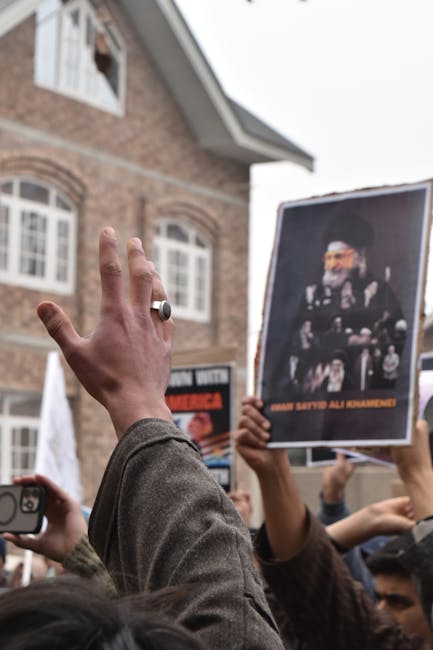

On March 1, large demonstrations swept through cities in Turkey, Greece and Pakistan after an apparent US‑Israeli strike on Iran and the publication of reports that Iran’s supreme leader, Ali Khamenei, had been killed. Crowds gathered outside American and Israeli diplomatic missions, demanding an immediate ceasefire and condemning what protesters called imperialist aggression.
In Ankara and Istanbul, demonstrators assembled near the US consulate, carrying photographs of Khamenei and chanting anti‑American and anti‑Israeli slogans. Organisers and participants framed their mobilisations as an urgent popular response to an assault they said threatened the wider region.
In Athens more than a thousand people marched to the US and Israeli embassies, waving Iranian flags and placards. Greek police deployed in strength and used a line of police buses to cordon off the embassy compounds. Dimitris Koutsoumbas, general secretary of the Greek Communist Party, denounced the US‑Israel action as ‘‘imperialist’’ and warned it was stoking a wider war that could sweep beyond the Middle East.
Several demonstrators pointed to the strategic implications for Greece, citing the US naval facilities at Souda Bay on Crete as a potential reason Athens could be drawn into any escalation. In Karachi a volatile protest turned violent: crowds are reported to have breached the outer wall of the US consulate after news of Khamenei’s death, and local officials say clashes left multiple protesters dead or wounded.
These street movements come amid a sharp escalation between Tehran and a US‑Israeli axis that has been building for months. If the reported death of Iran’s supreme leader is confirmed, it would be an unprecedented shock to the country’s political order and could prompt both rushed succession politics in Tehran and a forceful Iranian military or proxy response.
Beyond the immediate human cost and diplomatic alarms, the demonstrations highlight how a regional strike quickly internationalises the fallout. Governments that host US bases or maintain security ties with Washington now face acute domestic pressures, while western diplomatic facilities in the region confront elevated security risks. The situation increases the likelihood of disruptive spillovers: interruptions to shipping and energy markets, refugee flows, and a wider cycle of tit‑for‑tat violence involving state and non‑state actors.
Western capitals and neighbouring states will now be forced to weigh constrained choices. Any punitive follow‑up against Iran risks emboldening retaliatory attacks on overseas installations and allies; restraint, meanwhile, may be politically untenable at home. The coming days will be critical in determining whether international diplomacy can blunt escalation or whether the conflict will broaden into a more generalised regional confrontation.