
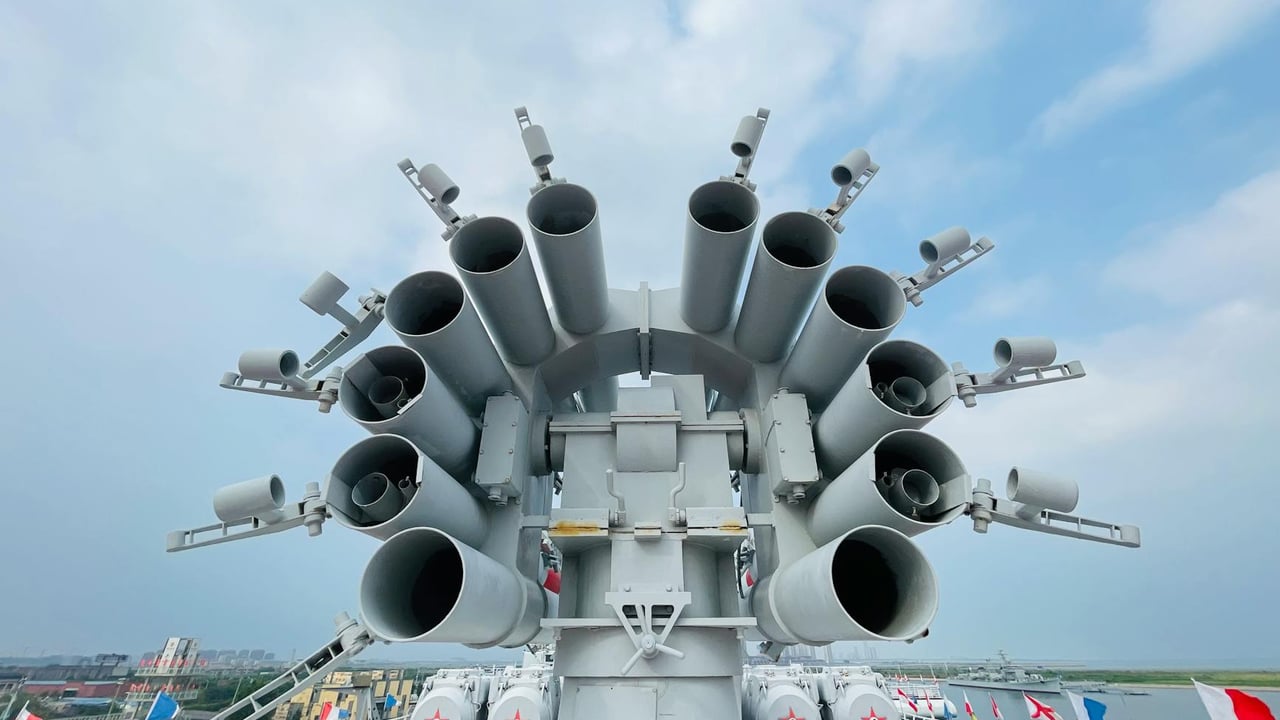

Foreign media this week reported that Iran and China were close to finalising a missile procurement agreement, a claim Beijing's Ministry of Foreign Affairs promptly rejected as untrue. The brief denial gave no further detail and left the underlying reporting — which did not specify the platform, timeline or negotiating parties — unconfirmed.
The episode matters because allegations of advanced weapons transfers between Beijing and Tehran touch on several sensitive fault lines in global politics. Washington and regional governments have repeatedly warned that sophisticated missile technology in Iranian hands would exacerbate risks across the Middle East, while China has sought to cultivate strategic ties with Tehran as part of a broader regional footprint.
The timing of the report and the swift denial underscore the constrained space in which China now operates on arms and security issues. A decade ago, accusations of Chinese military assistance to Iran and other suppliers prompted international scrutiny; today, Beijing must balance economic and geopolitical ties with Tehran against the diplomatic costs of appearing to enable military escalation or to flout export controls.
Beijing’s terse rebuttal is consistent with its longstanding practice of publicly downplaying defence cooperation that could trigger confrontation with the United States or sanctions from Western capitals. At the same time, the lack of transparent information in the public domain — either from the alleged reporting outlets or from the Foreign Ministry — leaves analysts reliant on indirect signals: trade flows, diplomatic choreography and occasional leaks.
For regional actors, the credibility of any arms transfer allegation is as consequential as the transfer itself. If proven, a major missile deal would likely prompt renewed diplomatic pressure on China, possibly tighter export controls and a scramble among Gulf states and Israel to adjust deterrence postures. If untrue, such reports risk inflaming already high tensions and would highlight how fragile information environments can shape security policy.
In short, the matter remains unresolved. Observers should watch for corroborating evidence from independent investigators, statements from other capitals — notably Washington and Tehran — and any downstream indicators such as changes in procurement patterns or personnel movements. Until then, Beijing’s denial will stand as the only official account, even as strategic anxieties in the region persist.