
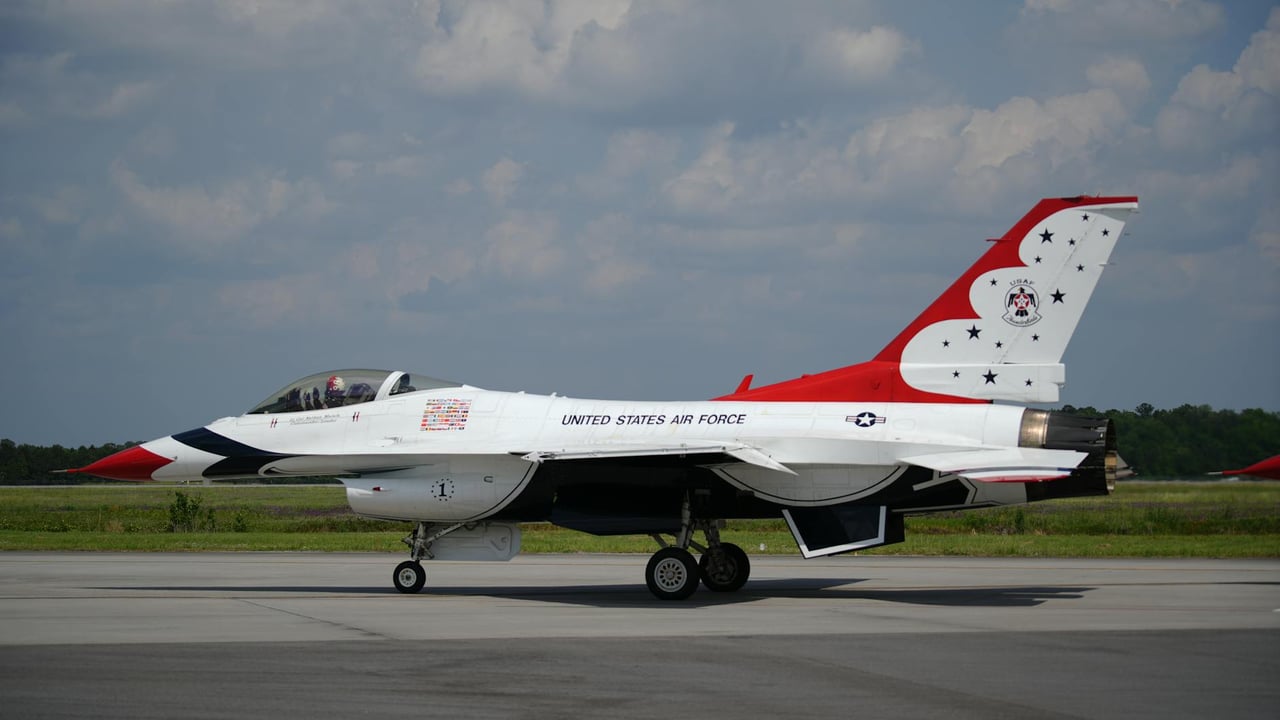

A Chinese state-affiliated outlet reported that three US military aircraft crashed in Kuwait on 2 March 2026, an event Beijing’s media and some regional analysts described as unusual and potentially symptomatic of growing confrontations in the Gulf. The brief dispatch cited a military expert who called such simultaneous losses "rare" and interpreted them as a sign that operational pressures and escalatory encounters in the region are intensifying.
Neither the US Department of Defense nor Kuwaiti officials had, at the time of publication, issued detailed public accounts of the crashes, and casualty and damage figures were not available. The lack of immediate official confirmation leaves open several possibilities: an accident chain caused by mechanical failure or human error, a maintenance or logistics problem, or — less likely but strategically consequential — hostile action amid a fraught security environment.
The incident matters beyond the immediate loss of aircraft because Kuwait hosts important US military facilities that support operations across the Middle East. Any disruption to that logistical hub would complicate US force posture and rapid-response capabilities in a theatre where airborne assets play a central role in surveillance, strike, and air superiority missions.
For regional actors and proxies, an episode of multiple aircraft losses carries signaling value. If the cause proves to be non-hostile, it nevertheless points to sustained operational tempo and maintenance strains that accompany protracted deployments. If, alternatively, the crashes were linked to hostile activity, they would mark a clear escalation with the potential to widen confrontations between US forces and Iran-aligned groups or other local actors.
Practical consequences are likely to follow regardless of the cause: Washington will almost certainly order a formal investigation, temporarily adjust sorties and flight patterns, and review safety and maintenance protocols for forward-deployed units. Kuwait’s government will also face pressure to account for security on its territory and to manage possible political fallout at home from hosting foreign military operations that expose it to risk.
The episode underlines the fragility of a regional equilibrium that has relied on US airpower as a stabilizing — if sometimes provocative — element. In a crowded security environment where drones, missiles and electronic warfare increasingly complicate air operations, even routine mishaps can acquire outsized strategic significance and trigger recalibrations by local states and external powers alike.