
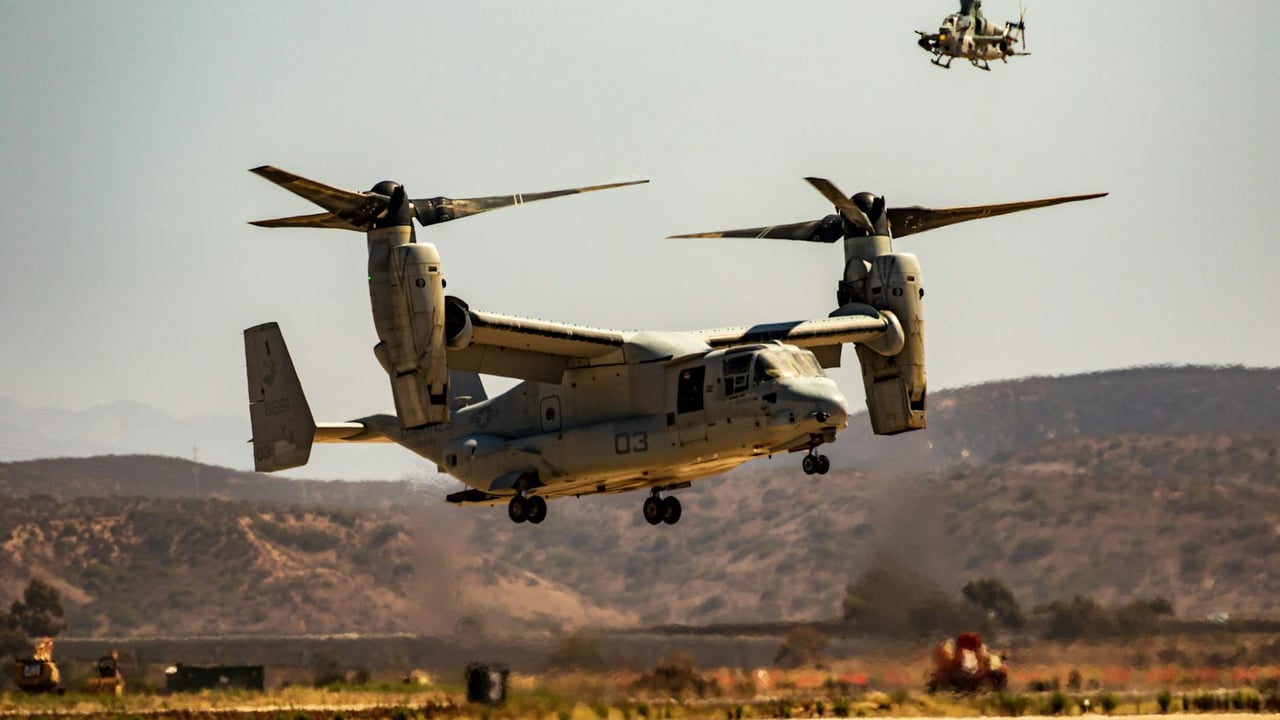

Iran’s Islamic Revolutionary Guard Corps (IRGC) announced that at dawn on March 3 it launched a large-scale drone-and-missile strike against a U.S. air base in the Sheikh Isa area of Bahrain. The statement said 20 unmanned aerial vehicles and three missiles struck the target, destroying the main headquarters building of the U.S. air base and igniting a fuel depot with visible flames and heavy smoke.
If confirmed, the attack would mark one of the most direct assaults on U.S. military infrastructure in the Gulf in recent years and would represent a significant escalation of Iranian kinetic action beyond the usual proxy and maritime harassment campaigns. The IRGC framed the operation as a deliberate, coordinated strike; Washington and its regional partners have not yet issued a public, independent assessment of damage, casualties or responsibility at the time of this report.
The incident must be read against a backdrop of long-standing hostility between Tehran and Washington, and a recent pattern in which Iran and its affiliated groups have used drones and ballistic missiles to strike military and commercial targets across the region. Bahrain hosts several allied facilities and is strategically important as a hub for regional naval operations, making any attack on its territory a test of alliances and deterrence postures.
A verified strike on a headquarters building and a fuel depot would carry both symbolic and operational consequences. Destruction of command facilities would disrupt local coordination and could force a temporary recalibration of U.S. force posture in the Gulf; damage to fuel storage raises immediate logistics and readiness concerns. Equally significant is the message such an attack sends about Tehran’s ability to project force and exploit gaps in regional air defenses.
The immediate international consequences are twofold. First, Washington will face pressure to demonstrate that U.S. bases and personnel remain protected, which could prompt retaliatory strikes, tightened sanctions or heightened naval deployments. Second, Gulf states—already anxious about missile and drone strikes that have hit Saudi Arabia, the UAE and Iraq—may accelerate their own air-defence purchases and deepen security ties with the United States and other partners.
Beyond the military balance, the strike poses political dilemmas. For Iran, such an operation can be calibrated to signal resolve without triggering full-scale war; for the United States, any overreaction risks an unwanted spiral. Regional governments, meanwhile, must weigh the economic and diplomatic costs of escalatory responses, including disruptions to shipping routes and oil markets.
Verification remains crucial. Independent confirmation of the claimed damage, the precise target set, and any casualties will shape how states respond. Regardless of immediate next steps, the episode underscores a persistent danger: the Gulf remains a low-threshold theatre where miscalculation, proxy networks and advanced weapons technologies combine to amplify the risk of wider confrontation.