
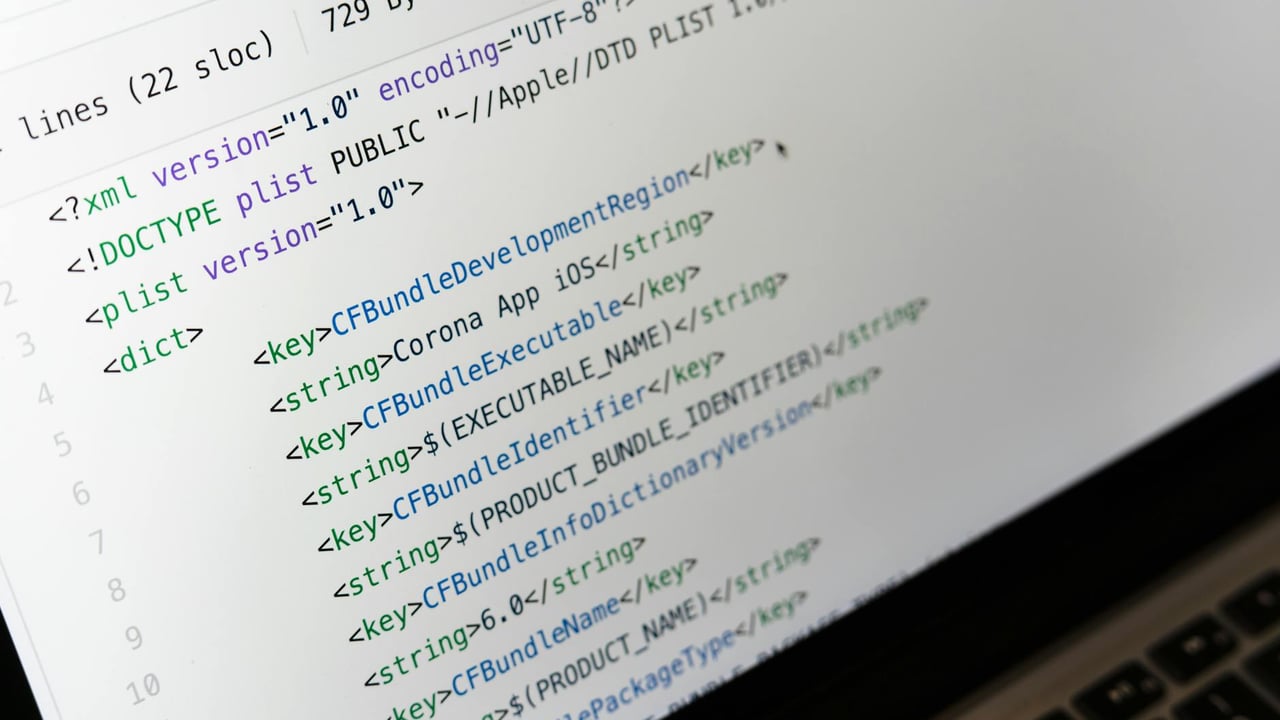

Meituan’s freshly launched AI browser, Tabbit, was pulled into controversy less than 24 hours after its public beta as an independent developer accused the company of copying an open‑source translation plugin. The allegation, posted by the plugin’s author — a former ByteDance engineer known online as “@梦溪睡了吗” — claimed Tabbit had used their code in breach of the GPL open‑source licence and demanded that Meituan open‑source the product.
Tabbit’s development team, part of Meituan’s Light‑year Beyond (GN06) unit, published a prompt public response. They said their engineers had forked the Read‑frog (陪读蛙) repository on December 30, 2025, at a time when the upstream repository contained no explicit licence. The repository’s owner added a GPLv3 licence in a January 2, 2026 commit (a0679e2), a change Tabbit says it did not subsequently merge and so did not notice.
Despite arguing that the fork occurred before an explicit licence was attached, Tabbit’s team said it respected the original author’s ownership and would remove the translation module from future releases. It also pledged to release that component as open source for community inspection and said it had reached a consensus with the plugin’s author. The company promised tighter internal controls — improved code review and clearer labelling of licences for any open‑source components used.
The spat is small in scale but significant in the wider race to ship AI‑enabled consumer products. Browsers that integrate real‑time translation and other generative features are one way technology firms try to differentiate in a crowded market, and reuse of community‑built tooling is routine. But copyleft licences such as GPLv3 carry obligations that companies often prefer to avoid because they can require making derivative source code public, a non‑starter for commercial teams that mix proprietary and third‑party code.
Beyond licence mechanics, the episode highlights governance gaps that persist at large tech companies rushing AI products to market. Software supply‑chain controls — from automatic scanning of third‑party repositories to documented approvals for forks and merges — are becoming as important as model audits and data governance. Public disputes like this also carry reputational risk: they can damage relationships with the open‑source contributors on whose work many AI features are built and invite sharper scrutiny from corporate legal teams and, potentially, regulators.
For China’s tech sector, the incident underscores a growing set of tensions. Domestic platforms are under pressure to match international rivals on AI functionality while complying with IP norms and a tightening regulatory environment around technology and data. Quick remediation and a public commitment to better compliance will blunt immediate fallout for Meituan, but the case is a reminder that the speed of product launches will increasingly collide with the slower, legalistic realities of copyright and open‑source licensing.