
Business & Industry News
Latest business & industry news and updates

Tahe County Advances Cold-Climate Soybean Breeding at 53 Degrees North
Agricultural researchers in Heilongjiang reach high-latitude milestones to expand ultra-early-maturing soybean cultivation.
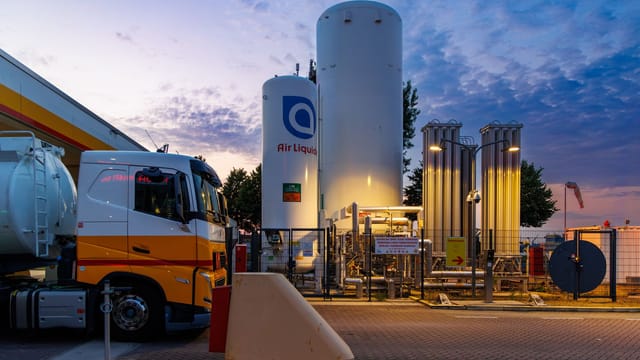
Chinese Energy Storage Firms Report Robust Growth on AI Data Centers and Global Demand
First-half 2026 corporate earnings indicate recovery across China's energy storage supply chain, driven by artificial intelligence infrastructure and overseas project wins.

China Concludes Summer Grain Drive With Wheat Procurement Hitting 100M Tonnes
Official figures show steady summer purchases as authorities prepare for autumn grain intake projected at 350 million tonnes.

China's August Indicators Show Industrial Growth Amid Investment Drop
High-tech manufacturing and foreign trade expanded, but nationwide fixed asset investment contracted 7.2 percent through August.

China Opens 70-Billion-Yuan Pinglu Canal to Connect Inland South to Sea
The 134-kilometer waterway cuts shipping distances to the Beibu Gulf, aiming to lower bulk logistics costs and expand Southwestern trade routes.

Central and Western China Export Growth Outpaces Coastal Provinces
High-tech manufacturing, automotive shipments, and intermediate goods drive interior provinces to a 16.4% export increase in the first half of the year.

China Reports Shift Toward High-Tech Inflows as Foreign Investment Composition Evolves
High-tech sectors accounted for over 41 percent of foreign direct investment in the first seven months of the year, Ministry of Commerce data shows.
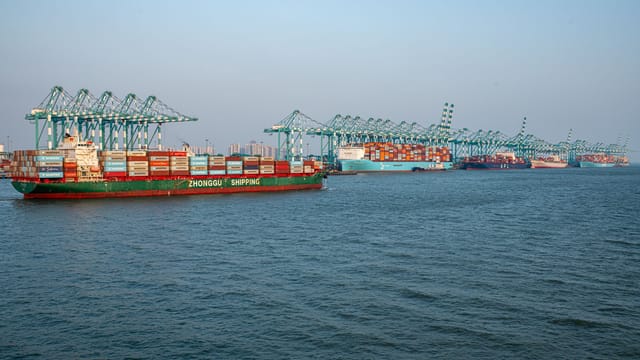
China's Social Logistics Volume Expands 5% in First Seven Months
High-tech manufacturing and county-level markets drove steady expansion across supply chains.

China Innovative Drugmakers Turn Profitable on Licensing and Policy
Milestone licensing revenue, rising overseas co-development, and targeted procurement reforms drive a structural turnaround for domestic biopharmas.

Beijing Reports 69.6% Surge in Utilized Foreign Capital in First Seven Months
Officials point to record export volumes and outline plans to harness AI and robotics for future trade expansion.

China's August Economic Data Shows Industrial Gains Amid Uneven Fixed Investment
Industrial output and high-tech manufacturing accelerated in August, while broader fixed-asset investment contracted over the first eight months.
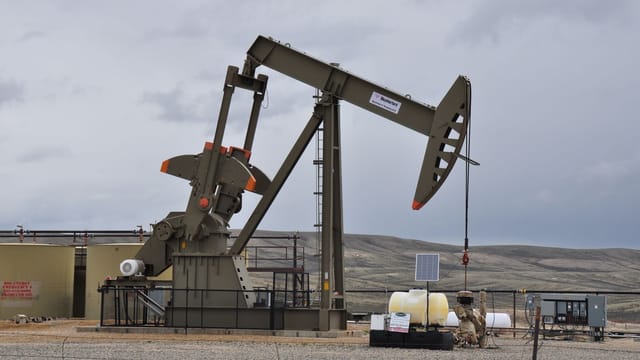
China Moderates Crude Buying Amid Strait of Hormuz Supply Disruption
As global energy markets face supply strains, the world's largest oil importer avoids panic purchases, acting as a market buffer.