
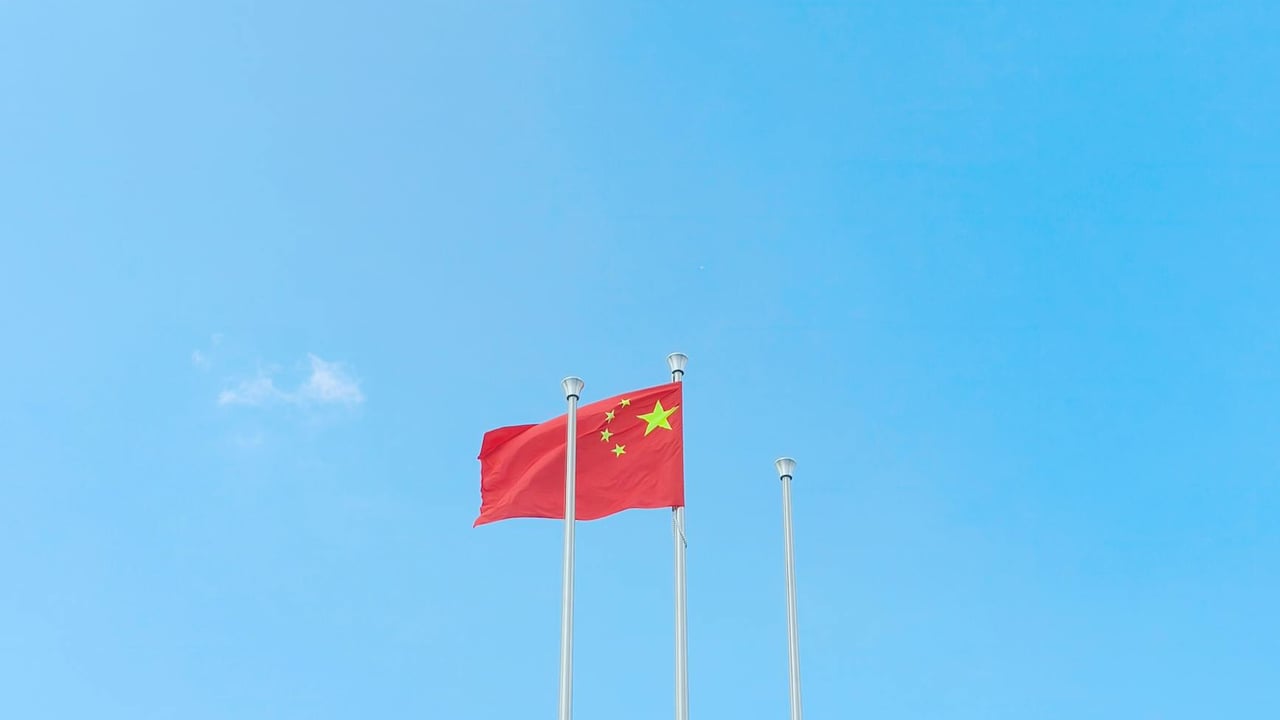

China’s state media opened a political narrative at this year’s Two Sessions that frames the start of the new term as a moment for rapid, competitive action. The Xinhua commentary headlined “开局勇争先 奋进启新程” casts the opening weeks as an occasion for officials across levels of government to vie to be first movers in implementing Beijing’s agenda, setting an unusually energetic tone for the annual legislative and advisory meetings.
The phraseology matters. By emphasizing “争先” — competing to take the lead — the commentary signals more than prideful language; it underlines a governance style that privileges speed of implementation and visible results. The Two Sessions, which bring together the National People’s Congress and the Chinese People’s Political Consultative Conference, are both a policy-planning forum and a stage for political messaging. State coverage that foregrounds competition among officials is a deliberate cue about what counts as success this year.
For international observers and markets, the framing offers useful clues about Beijing’s immediate priorities. It suggests a renewed push for policy delivery — whether in stabilizing growth, rolling out reforms, or accelerating infrastructure and innovation projects — and a central emphasis on performance metrics that local governments will be urged to meet promptly. The result is likely to be a mixture of accelerated implementation of central directives and intensified competition among provinces and cities to demonstrate progress.
That dynamic has trade-offs. A governance push centered on being first can cut through bureaucratic inertia and speed up investment and regulatory moves, which could support short-term growth and reassure markets about political will. Yet there is also a familiar risk: competition may encourage headline achievements over systemic reforms, incentivize short-term stimulus or local borrowing, and elevate provincial performance metrics at the expense of longer-term priorities such as sustainability and deep structural change.
The messaging also serves a domestic political function. By celebrating officials who “bravely strive to lead” at the Two Sessions, Beijing reinforces discipline and loyalty while signalling to the public that the leadership intends to show tangible progress early in the term. For foreign governments, the posture communicates predictability and momentum — a carefully managed narrative designed to shore up confidence at home and abroad even where concrete policy specifics remain to be seen.
The immediate practical watchpoints are predictable: how provincial budgets and bond issuance evolve, whether local governments pivot toward visible projects, and how central ministries translate rhetoric into measurable targets. Analysts should also track whether this campaign-style push yields sustainable gains in productivity and private-sector confidence, or whether it instead produces the familiar cyclical pattern of short-term stimulus followed by longer-term fiscal recalibration.
Ultimately, the Two Sessions’ cheer for “racing to lead” is both a motivational slogan and a policy signal. It highlights Beijing’s appetite for results, its reliance on local execution, and the central role of political messaging in China’s governance model. For outsiders, the phrase encapsulates a governing instinct: when political priorities are restated at the national level, speed and visible accomplishment become the currencies of success.