NATO Says It Will Not Join Any US–Israel Military Action Against Iran

NATO Secretary‑General Mark Rutte has said the alliance will not participate in any US or Israeli military action against Iran, though individual member states may choose to support such operations bilaterally. The move keeps NATO institutionally detached while leaving room for ad hoc cooperation by allies.

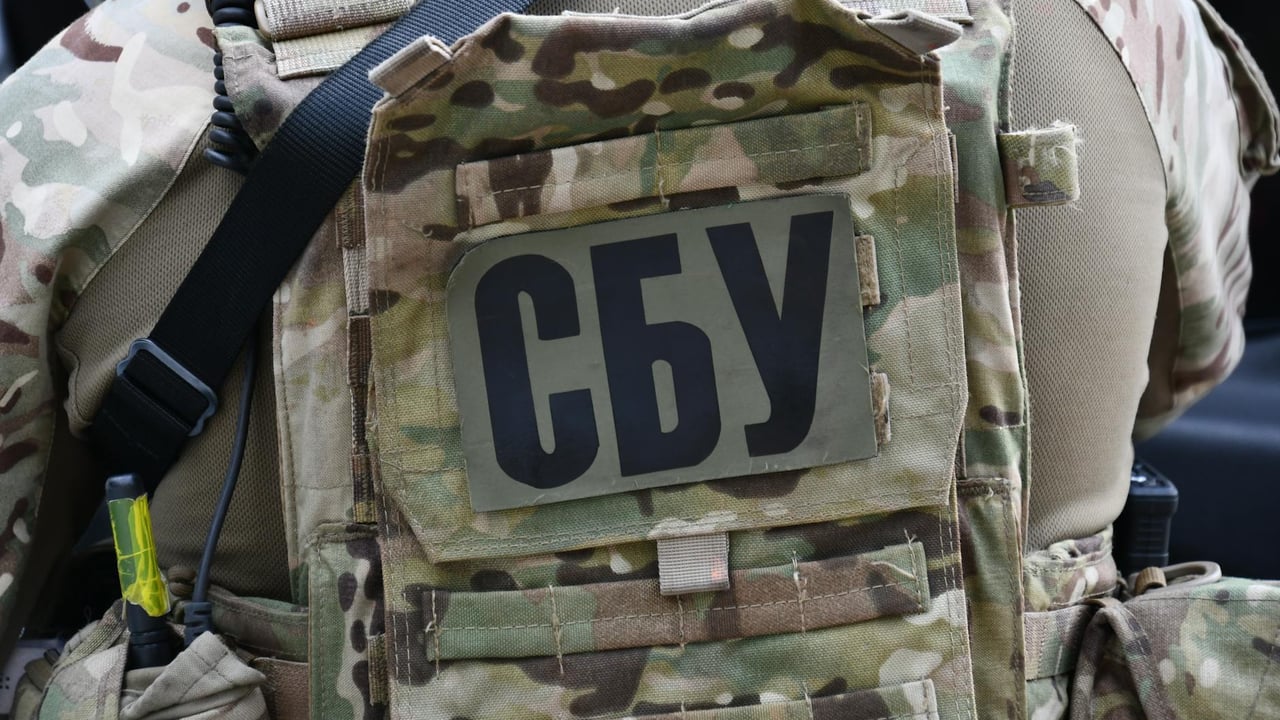
Close-up of a soldier wearing a camouflage vest with the Security Service of Ukraine insignia in Kyiv.

Key Takeaways

  • 1NATO Secretary‑General Mark Rutte announced the alliance will not join US or Israeli military actions against Iran.
  • 2NATO has 'no plans' to be involved at the alliance level; individual member states may still offer bilateral support.
  • 3The stance limits NATO’s institutional role and shifts the burden of any military campaign onto the United States, Israel, and willing partners.
  • 4European political caution and concerns about escalation likely influenced the decision, reducing the risk of automatic alliance entanglement.

Editor's
Desk

Strategic Analysis

Rutte’s public refusal is a deliberate attempt to balance solidarity with strategic restraint. For the United States and Israel, it signals that any campaign will be politically and logistically narrower, potentially hampering access to shared assets and complicating coalition building. For NATO, the decision preserves internal unity by avoiding a polarising commitment that could split capitals and inflame public opinion; for Iran, the move both constrains and obscures the deterrent posture of the West—fewer institutional actors involved reduces immediate escalation risk but may encourage more localized or asymmetric responses. Looking ahead, expect a patchwork of bilateral commitments, increased diplomatic activity to manage fallout, and careful signalling by both Tehran and Washington to avoid unwanted widening of the conflict. If major allies quietly provide intelligence, basing or logistical support, NATO’s non‑participation could be more rhetorical than real, which would test transparency and trust within the alliance.

China Daily Brief Editorial
Strategic Insight
China Daily Brief

NATO Secretary‑General Mark Rutte told German television on March 2 that the alliance has no plans to join any United States or Israeli military operation directed at Iran. He stressed that, aside from support from "individual allies," NATO as a body will not be involved, drawing a clear institutional line under a potential escalation.

The declaration matters because it removes the possibility of collective NATO engagement in what would be a consequential regional conflict. An institutional refusal to participate limits the operational reach and legal cover that a formal alliance endorsement would provide, while leaving room for bilateral or ad hoc cooperation by member states acting independently.

For Washington and Tel Aviv, Rutte’s comment means any kinetic campaign will likely proceed through narrow coalitions or state‑to‑state arrangements rather than under NATO auspices. That raises logistical and political burdens for states considering participation: they would have to justify unilateral or multilateral support domestically and secure access to bases, intelligence and overflight rights without the imprimatur of the alliance.

European leaders have frequently shown reluctance to be drawn into Middle Eastern wars, and public opinion across NATO capitals remains cautious about direct military involvement. By keeping NATO at arm’s length, Rutte is managing alliance cohesion and insulating the transatlantic institution from an intensely polarising regional conflict, while allowing individual members to set their own courses.

The broader strategic picture is mixed. NATO’s refusal narrows the menu of institutional responses available to deter escalation, but it also reduces the risk of an automatic collective‑defence spiral. The coming days should be watched for unilateral moves by NATO members, statements of political backing short of military participation, and any shift in Iran’s calculations that could either de‑escalate the situation or provoke further regional tensions.

Share Article

Related Articles

📰
No related articles found