

A new wave of violence in the Middle East on March 3 has produced immediate economic and diplomatic ripples across markets and capitals. Iran’s Islamic Revolutionary Guard Corps (IRGC) announced that its missiles struck two U.S. THAAD anti-missile systems deployed in the region and damaged radar at a base in the United Arab Emirates, while U.S. forces say they have conducted extensive strikes inside Iran. The competing claims underline a rapid escalation that has pushed oil prices sharply higher and sent equities and precious metals tumbling in volatile trading.
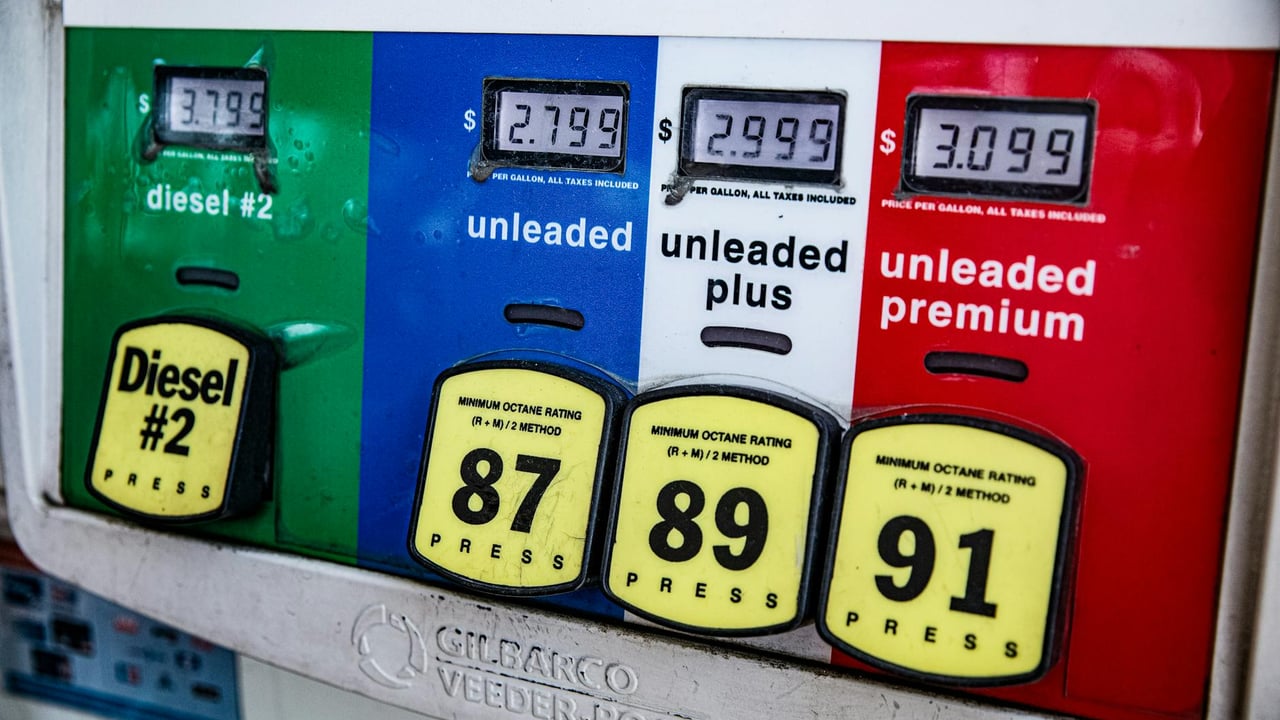
Energy markets bore the brunt of the shock. Brent and West Texas Intermediate futures jumped about 5% on the day as traders priced in heightened supply risk from the Strait of Hormuz and possible further disruptions in the Gulf. At the same time, safe-haven gold and silver fell sharply amid a broader risk-off move that saw major U.S. and European indices close down, weighed by a tech sell-off and concerns about the macroeconomic consequences of a widening conflict.
Beijing has sought to thread a diplomatic needle. Foreign Minister Wang Yi spoke by phone with his Israeli counterpart and reiterated China’s longstanding call for de-escalation and adherence to the UN Charter, urging an immediate halt to military actions so the situation does not spiral further. Domestically, logistics and cross-border trade channels to the Middle East are already feeling strain: air cargo routes have been suspended and some shippers are rerouting freight via third-country transshipment hubs.
The market shock flashed through Chinese financial markets as well. China’s big state-linked oil companies rallied, hitting multi-year highs after collective gains in A-share trading, while regulators and listed firms warned investors about the heightened volatility. At the same time, commodity exchanges adjusted margin and limit settings for crude futures, reflecting a more volatile trading environment.
Amid the geopolitical noise, several notable corporate and policy developments in China appeared in the same daily briefing. Jack Ma made a rare public appearance, meeting Alibaba’s top management and Ant Group executives to discuss AI’s disruptive effects, signalling renewed attention to technological strategy at the country’s largest e-commerce group. Property conglomerate Wanda continued to offload retail assets — recently selling a Shanghai mall for about RMB 2.048 billion — as the buyer mix shifts toward state-linked construction groups, illustrating the changing capital flows in China’s real-estate sector.
Regulatory and policy moves also featured prominently. Beijing’s ministries issued industry guidance to raise the green production level of photovoltaic modules by 2027 and tightened oversight on special medical-use formula foods. The Supreme People’s Court published clarifications on family law that affect property transfers among spouses. On AI oversight, regulators reported the removal of thousands of “AI-altered” videos across platforms, highlighting Beijing’s dual push for technological advancement and tighter content governance.
Taken together, these developments sketch a China that is simultaneously exposed to external shocks and actively recalibrating its domestic economy. Energy security concerns and market swings are prompting accelerated portfolio shifts among strategic state-backed buyers, while Beijing’s policy apparatus continues to nudge industry toward greener production and greater regulatory control. Corporates from Alibaba to Wanda are responding to a changed risk environment — driven by both geopolitical uncertainty and structural policy signals — that will shape investment and operational decisions in the months ahead.