

The fifth day of open hostilities between the United States, Israel and Iran has turned parts of the Middle East into a multi‑front battlefield, with Tehran shelled, Israeli facilities struck, and Iranian forces declaring control over the Strait of Hormuz. Washington says its campaign against Iranian targets, launched on February 28, has involved more than 1,700 strikes; the Islamic Revolutionary Guard Corps (IRGC) responded with a fresh, heavy round of missile and drone attacks on Israeli military sites and declared maritime dominance in one of the world's most strategic waterways.
Residents and journalists in Tehran reported multiple explosions across western, eastern and northeastern districts in a concentrated wave of strikes that began on the morning of March 3. State media footage showed fires and smoke near government and defence installations; a building in Qom associated with the clerical body that will oversee the selection of Iran's next supreme leader was reduced to rubble, with provincial officials reporting at least six dead and dozens injured.
The IRGC said the air‑sea phase of its "Real Pledge‑4" campaign entered its 16th wave during the night, employing large numbers of missiles and unmanned aerial vehicles against targets in central and northern Israel. Tehran identified the Israeli general staff and defence ministry in Tel Aviv, as well as military facilities in the country's north, among the intended targets. Independent verification of strikes and damage on both sides remains difficult in the fog of war, and both Tehran and Jerusalem have incentives to amplify their battlefield narratives.
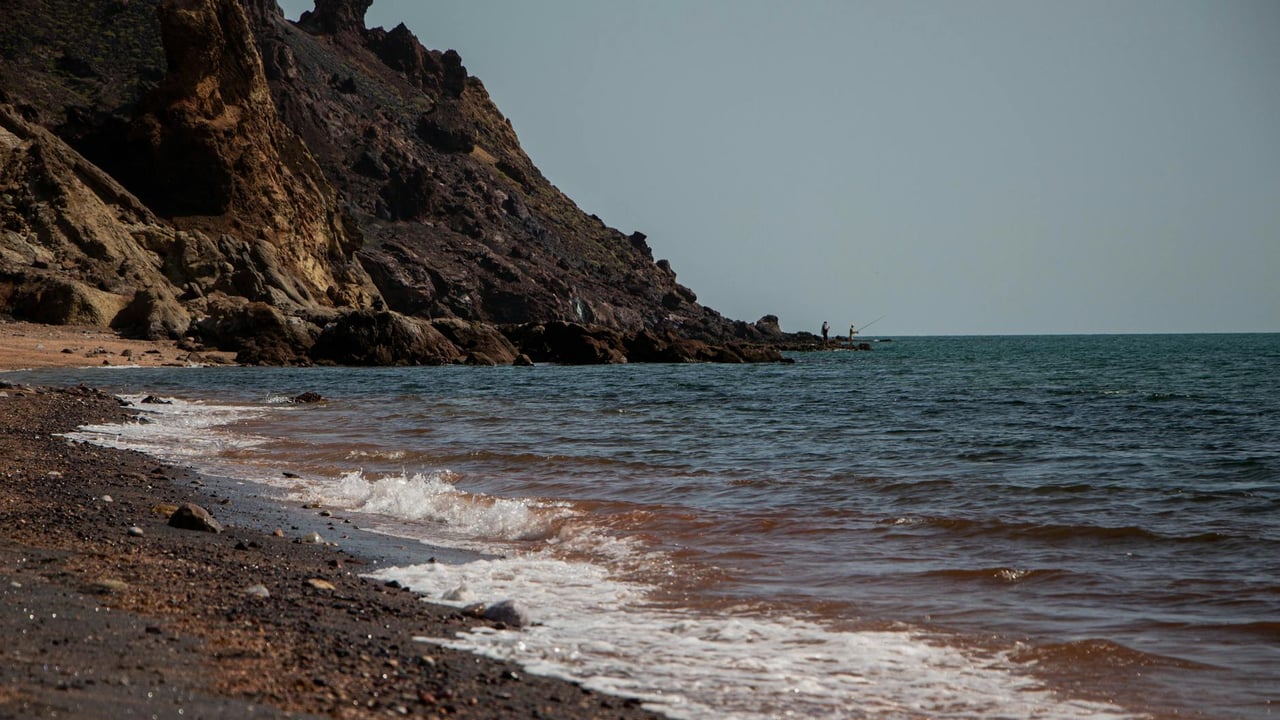
On the maritime front, the IRGC's naval deputy commander told state‑aligned Fars news agency that the Strait of Hormuz was fully under Iranian control and that more than a dozen oil tankers had been struck and set ablaze after ignoring warnings. If sustained, attacks on commercial shipping or a de facto Iranian interdiction of the strait would reverberate through international trade and energy markets; roughly a fifth of global petroleum transits the waterway and insurers and shippers are already hypersensitive to any escalation.
The conflict has also intensified along Lebanon's southern frontier. United Nations Interim Force in Lebanon (UNIFIL) observers and Israeli statements described Israeli troops moving across the Blue Line into Lebanese territory and returning south, while exchanges of fire and aerial violations have been repeatedly recorded. In response to the mounting danger, the U.S. embassy in Beirut announced an indefinite suspension of operations and advised American citizens to leave the country, underscoring how regional spill‑over is complicating diplomatic and consular presence.
In Tehran, foreign ministry spokesman Nasser Kanaani reiterated that Iran professes no intention to develop nuclear weapons but framed the strikes on its soil and people as an existential struggle forced on the republic by U.S. and Israeli aggression. The attack on the Qom office has political implications at home: it struck close to institutions involved in selecting the supreme leader, a process already approaching its denouement and now complicated by the security crisis.
The international ramifications are immediate and wide. Beyond the humanitarian toll, the conflict threatens to disrupt crude flows, push insurance costs and freight rates higher, and force shipping routes around the Cape of Good Hope—adding days and millions of dollars to transportation costs. Strategically, the fighting tests Washington's willingness to sustain a high‑intensity campaign against Iranian territory while managing the risk of drawing regional proxies and additional state actors into a wider war. Absent credible channels for de‑escalation, the confrontation risks metastasizing into a protracted, multi‑theatre war with global economic and security consequences.