
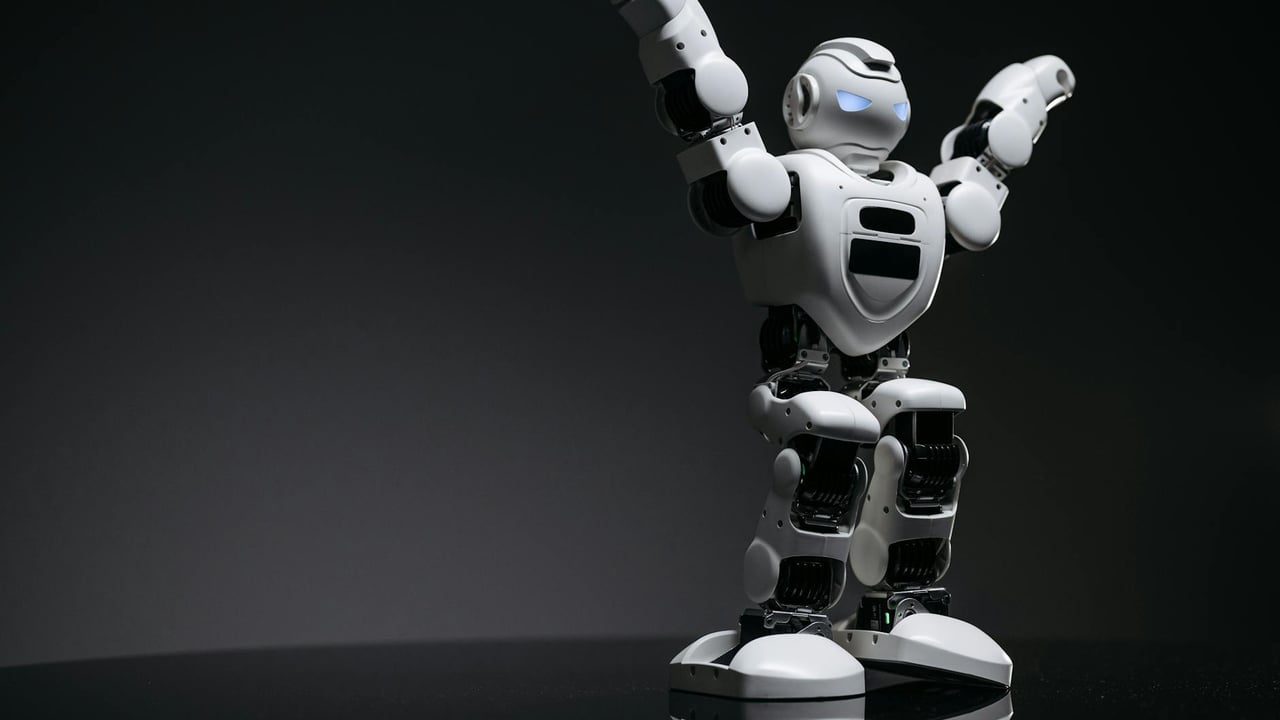

A spokesman for China’s 14th National People’s Congress, Lou Qinjian, has cast 2025 as a pivotal year for the country’s nascent humanoid-robot industry, saying it should achieve both technological breakthroughs and real-world deployment across scenes. The remark frames a national ambition to move humanoid machines from laboratory demonstrations into everyday industrial and service roles.
The statement reflects accelerating momentum in China’s robotics ecosystem: hardware makers, AI labs and industrial players are racing to integrate motion control, perception and language capabilities into human-shaped platforms. Public attention has been sharpened by a string of product debuts, pilot deployments in factories and fast-growing datasets and simulation infrastructure intended to speed up training and validation.
Despite visible progress, engineers still confront hard, interlocking challenges. Balance, efficient actuators and battery endurance remain constraints for long-duration tasks; dexterous manipulation and robust real-world perception are only now approaching commercial reliability; and the “brain” of a humanoid — the software stack that blends control, planning and learning — is widely seen as the bottleneck.
Chinese firms and investors are responding with a mix of private capital, industrial pilots and policy support. Several well-known electronics and robotics companies have started factory and service trials, while new datasets and cloud-based simulation platforms aim to compress development cycles. Market instruments have already reflected the shift: specialist robotics ETFs and supplier stocks have shown heightened volatility and inflows.
The global context adds urgency. International competitors, from established industrial robotics leaders to agile start-ups and U.S. ventures, are also chasing general-purpose humanoid platforms. That competition will shape standards for safety, interoperability and export controls, while also testing supply chains for motors, sensors and advanced chips.
The promise is large: humanoid robots that reliably work on production lines, in logistics hubs or in customer-facing roles could lift productivity, ease labour shortages and create new services. The risks are considerable too — deployment raises questions about worker displacement, regulatory oversight, safety certification and potential misuse for surveillance or military adaptation.
If 2025 delivers the dual achievements Lou Qinjian highlighted — demonstrable core technical advances and scalable, useful deployments — China could establish a durable lead in integrated humanoid systems. If not, the industry will still gain valuable engineering lessons, but investor patience and policy credibility will be tested as the sector moves from hype to hard commercial validation.
For international observers, the year ahead is therefore less about a single triumphant product and more about whether China can knit together advances in hardware, data infrastructure, cloud training and real-world pilots into an ecosystem that sustains iterative improvement and safe, regulated rollout.