
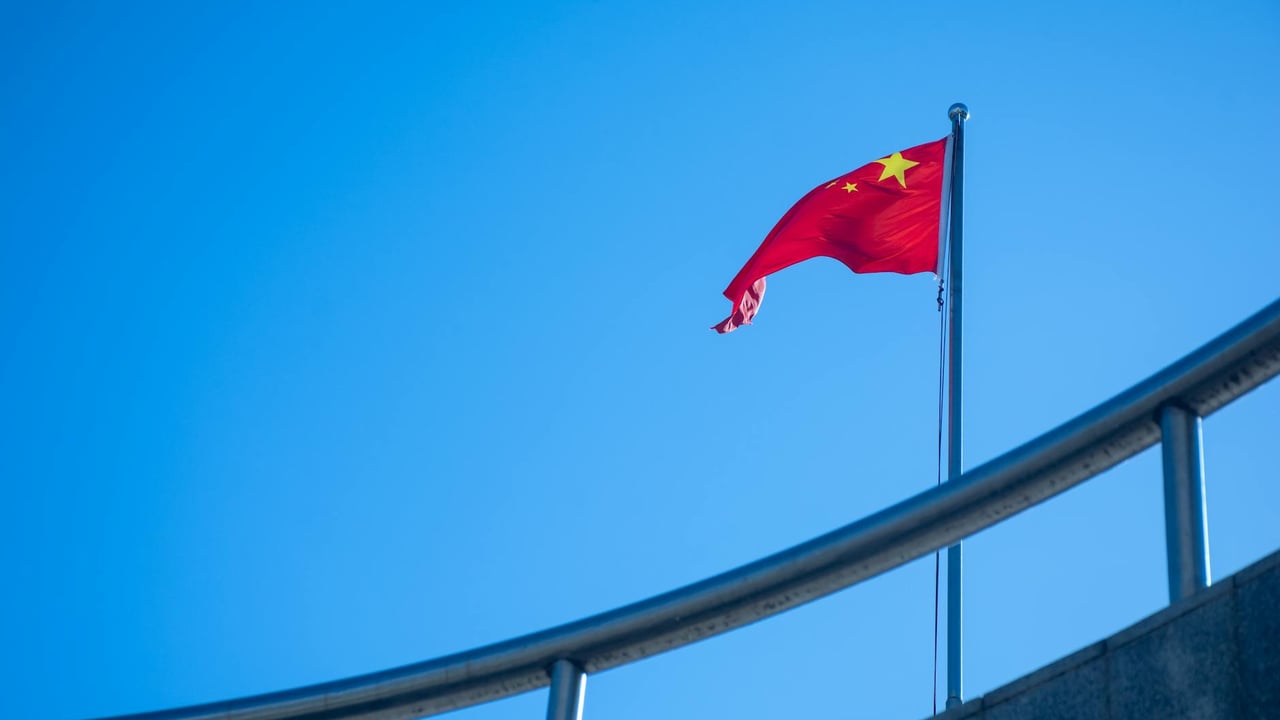

At a press briefing during the fourth session of the 14th National People’s Congress, spokesman Lou Qinjian responded to questions about recent US and Israeli strikes on Iran by reiterating a familiar Chinese line: states must respect one another and be treated as equals. Lou argued that no country has the right to dominate international affairs, decide the fates of others, or monopolize development, and he warned against unilateral behaviour that undermines global order.
Lou framed his remarks against what he described as an international turning point, citing severe shocks to economic globalisation and a proliferation of local wars and cross‑border conflicts. He invoked last year’s 80th anniversaries of both the end of the Second World War and the founding of the United Nations as a reminder that the post‑war multilateral architecture was created precisely to prevent such carnage and must be preserved, not weakened.
China’s spokesperson stopped short of naming and shaming the United States or Israel directly, but his comments amounted to a diplomatic rebuke of military actions taken without broad international mandate. By placing the emphasis on the UN Charter and the authority of the United Nations, Beijing signalled its preference for multilateral responses — and its discomfort with power politics that bypass international institutions.
Beijing also used the moment to restate a public commitment to the UN from the perspective of a major power: China pledged to work with other states to defend the UN’s authority, uphold the Charter’s principles, and push for reforms of global governance while promoting the construction of a “community of shared future for mankind.” The language serves both foreign and domestic audiences, portraying China as a responsible permanent member of the UN Security Council ready to defend multilateral norms.
The significance is practical as well as rhetorical. If conflict with Iran widens or other localised clashes cascade, calls for Security Council action will intensify. China’s posture suggests it will advocate UN‑centred mechanisms while reserving the right to defend its interests in the council — a stance that can complicate but also legitimise collective responses, depending on how Beijing chooses to use its veto and diplomatic influence.
More broadly, Lou’s remarks reflect Beijing’s attempt to exploit anxieties about a fracturing global order. By criticising unilateralism and promoting institutional solutions, China seeks to bind rising powers and developing countries to a reformed multilateralism that better accommodates their interests, while implicitly challenging Western practices of resorting to force or exclusionary coalitions.