

Wang Jianlin’s Wanda empire continued to shed property in early 2026, drawing fresh attention when a Shanghai shopping complex was sold for roughly CNY 2.048 billion. The buyer roster has shifted: once-dominant insurance and private-equity purchasers are now sharing the stage with China’s construction giants, which appear to be accepting mall assets as payment for overdue engineering invoices.
Since 2023 Wanda has disposed of more than 80 plaza assets, and in 2026 alone four properties have changed hands, including the Zhuanqiao Wanda Plaza in Shanghai’s Minhang district. Zhuanqiao, a 147,500-square metre mall opened in December 2017 that once drew almost a quarter-million visitors on its first day, has moved from wholly-owned Wanda Commercial Management (万达商管) control into a holding structure ultimately owned by a trust linked to Zhejiang merchant-banked interests.
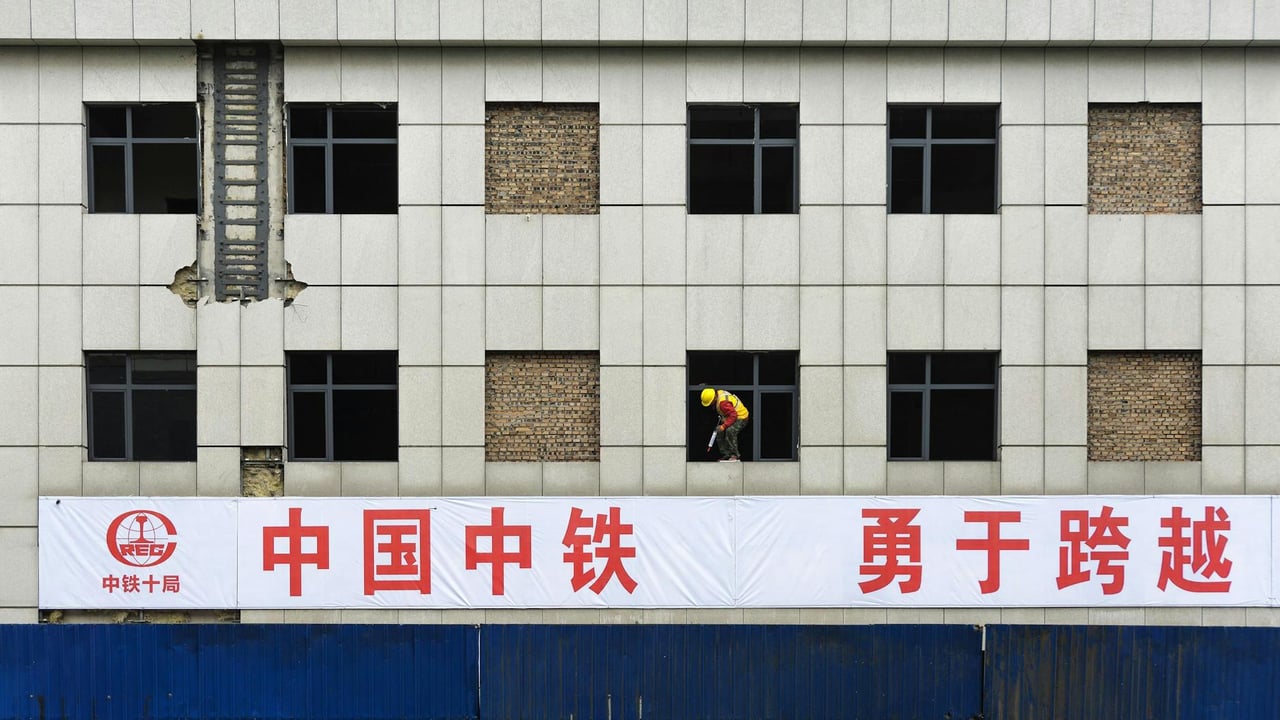
More striking is the wave of acquisitions by units of China State Construction (CSCEC). In January and February, three former Wanda projects — in Changde, Suining and Changzhou Xinbei — had their corporate ownership shifted to CSCEC’s engineering bureaus, each recorded as taking 100% equity. Those plazas were originally contracted and built by the same CSCEC entities now listed as their owners.
Industry observers describe these transactions not as straight cash purchases but as ‘asset-for-debt’ deals: builders taking ownership of completed assets to extinguish long-standing receivables. China State Construction’s engineering bureaus reportedly had disputes with Wanda over unpaid construction fees; swapping property titles for outstanding bills accelerates recovery and gives the contractor a tangible asset, albeit often at a valuation discount.
Wanda’s broader divestment program has been ambitious but uneven. A high-profile sale approved by regulators in May 2025 packaged 48 core plazas for roughly CNY 50 billion, with a consortium including TaiMeng, Tencent, PanDa Commercial, Sunshine Life Insurance and several private-capital partners designated as buyers. Yet administrative filings show only nine of those 48 malls have completed ownership transfer so far, underscoring execution difficulties.
The group’s balance sheet helps explain the urgency. Wanda Commercial Management reported total liabilities of about CNY 307 billion as of mid-2024, with cash and cash equivalents of roughly CNY 10.5 billion and operating cash flow near the same magnitude. To bridge financing gaps the unit issued a US$360 million senior secured bond in January at a hefty 12.75% coupon and successfully extended a US$400 million bond due in February 2026 to February 2028 at 11%, though only about US$78.8 million remains outstanding on that issue.
For Wanda these disposals are part of a declared pivot from heavy in-house development toward a lighter-asset, management-and-brand model. But the pattern of sales, buyers and delayed transfers signals structural challenges. When builders become owners, income profiles shift: rental returns accrue to construction firms now acting as landlords rather than to Wanda as a fee-earning manager. Moreover, asset-for-debt deals often imply steep valuation haircuts that can shrink the pool of capital Wanda hoped to recycle into a sustainable service business.
The emerging landscape also raises governance and operational questions. In the CSCEC-acquired properties, Wanda has reportedly been displaced from shareholder registers and its management presence diminished, whereas previous insurance-backed deals typically preserved Wanda’s role as operator under brand-and-management agreements. If Wanda is unable to retain management responsibilities on a broad scale, its touted ‘light asset’ strategy risks becoming a partial divestment without the new, recurring revenue streams it needs to service remaining debt.
China’s broader real-estate corrective cycle provides the backdrop: developers, landlords and their contractors are all recalibrating to a higher-cost-of-capital environment and tighter liquidity. For creditors and contractors, converting receivables into income-producing real estate can be pragmatic; for Wanda it is a test of whether the company can both stabilise its finances and prove that its management brand will command durable fees in a market where ownership and cash flows are rapidly reshuffled.
The next year will be pivotal. If ownership transfers accelerate and Wanda preserves management roles at scale, the firm may complete part of its transition. If, instead, builders keep properties and operate them as landlords, Wanda will shrink — and the company’s ability to generate predictable, management-based income will remain uncertain, leaving creditors and other stakeholders to recalibrate expectations accordingly.