
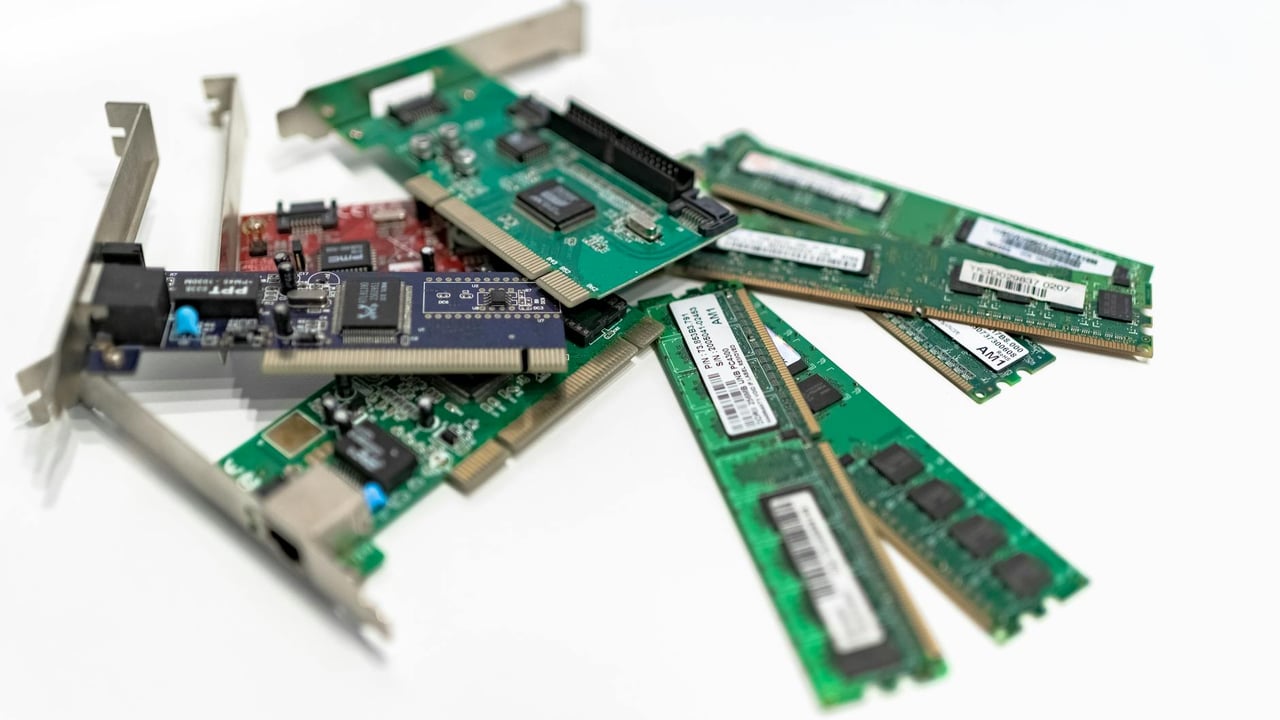

Transsion Holdings, long known as the "king of African phones," reported a sharp profit contraction for 2025 as rising memory-chip prices and intensifying competition squeezed margins. The company posted operating revenue of RMB 656.23 billion and a year‑on‑year decline in net profit attributable to shareholders to RMB 25.84 billion, a drop of 53.4% — the first annual profit collapse of this scale since its 2019 public listing.
Two forces explain the reversal. First, a surge in component costs — most notably NAND and DRAM memory — eroded gross margins at a time when Transsion remains overwhelmingly dependent on handset sales. Second, management boosted R&D and marketing spend to defend market share, lifting operating expenses even as top‑line growth stalled.
Transsion’s concentration on low‑ and mid‑range handsets leaves it exposed to component cycles it cannot easily pass through to price‑sensitive customers. Internal modelling cited in public filings suggests flagship devices would need only a roughly 7% price rise to hold margins, but mid‑ and low‑end phones would require about a 17% hike — effectively unaffordable in many African and South Asian markets where consumers are acutely price conscious.
The timing compounds competitive pressures. Africa is moving from feature phones to smartphones, and Chinese rivals such as Xiaomi, Honor and OPPO have accelerated their push into the continent. Transsion still commands over 40% market share in Africa across 2020–24, but that dominance is being contested precisely as component costs bite and alternatives proliferate.
Longer memory‑price forecasts offer little comfort. Market analysts broadly expect memory tightness to persist through 2026, keeping contract prices elevated and leaving consumer OEMs to choose between margin erosion, aggressive price increases that risk market share, or absorbing costs and curbing profitability.
Facing these headwinds, Transsion has taken steps to diversify revenue: its prospectus for a Hong Kong listing highlights non‑phone products including two‑ and three‑wheel electric vehicles and household energy storage systems aimed at markets with frequent power outages. Those lines remain nascent while phone sales still represent over 90% of revenue, limiting their immediate impact on earnings volatility.
The company’s controlling shareholder has also monetised stakes in recent transactions, realising nearly RMB 2.9 billion across two disposals in 2024–25. Institutional buyers took the shares with six‑month lockups, but the eventual unlocks create a tail risk of secondary selling pressure that investors will watch closely as the firm pursues a Hong Kong IPO.
Transsion’s results are a reminder that commodity‑style supply shocks in semiconductors ripple quickly through the electronics value chain and can destabilise incumbents that lack product diversification or pricing power. For investors and managers alike, the immediate policy choices are stark: raise prices and accept market share erosion, absorb costs and accept lower profitability, or accelerate structural change toward higher‑value products and services.