Iran Says It Controls Strait of Hormuz After Shelling Dozens of Tankers — Risk of Wider Disruption Looms

Iran’s IRGC has claimed full control of the Strait of Hormuz and said more than a dozen tankers were hit and burned after warnings to avoid the waterway. The declaration, carried by Iranian state media and reported internationally, raises the prospect of major disruption to global oil flows and could prompt naval and diplomatic responses that risk escalation.

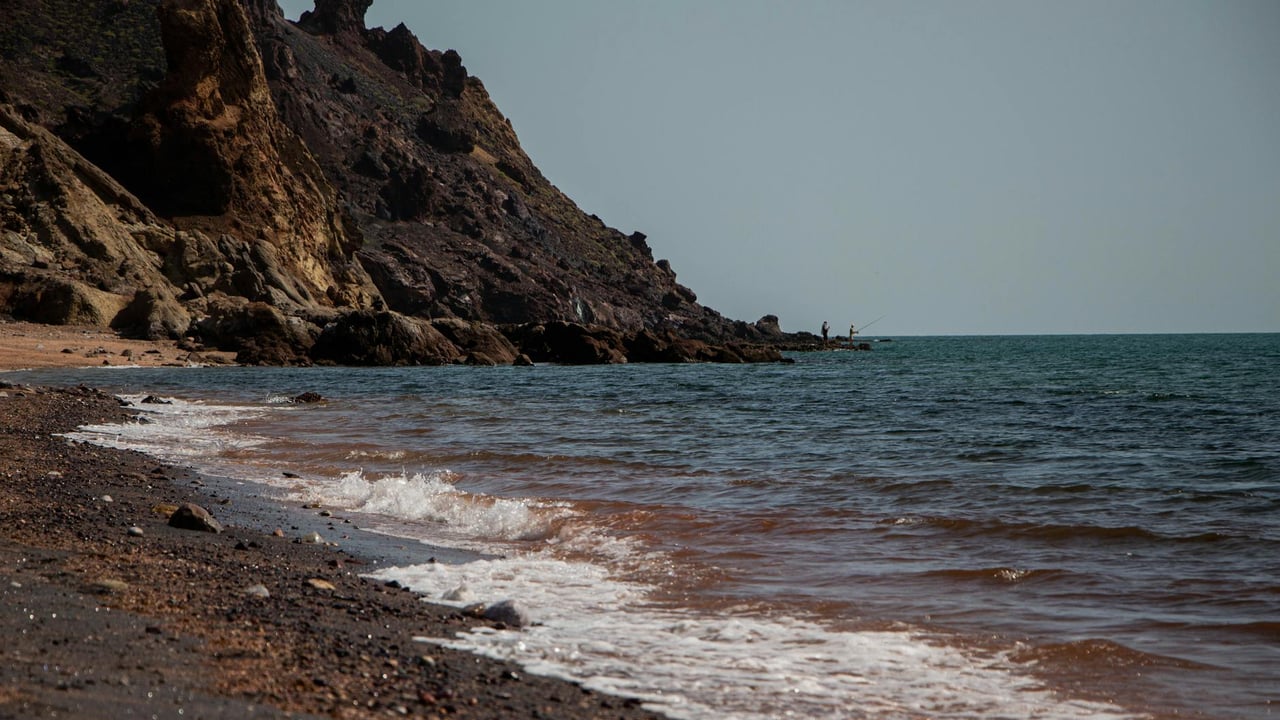
Waves crash on the rocky shore of Hormoz Island, Iran with clear blue skies.

Key Takeaways

  • 1IRGC deputy naval commander announced Iran has full control of the Strait of Hormuz and that over a dozen tankers were struck by shelling.
  • 2Iran says it has declared the strait closed to passage for tankers, merchant ships and fishing vessels.
  • 3Claims come from state-linked Fars agency and Xinhua relay and have not been independently verified.
  • 4A sustained closure or combat in the strait would disrupt a significant share of global oil shipments, raise energy prices, and force costly rerouting of maritime traffic.
  • 5The move increases the risk of naval deployments and potential military escalation between Iran and foreign states protecting commercial shipping.

Editor's
Desk

Strategic Analysis

Iran’s assertion of control over the Strait of Hormuz is a classic use of geographic leverage: a limited-capacity actor converting a narrow maritime chokepoint into strategic influence. By threatening and reportedly striking commercial vessels, Tehran aims to impose tangible costs on outsiders—economic and political—without immediately inviting a decisive military response. For the international community, the dilemma is acute. Allowing Iranian coercion to stand would encourage similar tactics elsewhere and further weaponize global trade routes; intervening risks kinetic clashes with the IRGC, which has repeatedly shown both resilience and appetite for asymmetric tactics. In the near term, expect insurance premiums and spot freight rates to spike, emergency naval patrols or convoying by coalition partners, and intense diplomatic shuttle diplomacy to de-escalate while preserving freedom of navigation. Longer term, the episode will accelerate efforts by energy-importing states to diversify supplies, invest in strategic reserves, and explore alternative routing and suppliers to reduce vulnerability to choke-point coercion.

China Daily Brief Editorial
Strategic Insight
China Daily Brief

Iran’s Islamic Revolutionary Guard Corps (IRGC) deputy naval commander, Mohammad Akbarzadeh, has declared the Strait of Hormuz “completely under the control” of Iranian forces and said more than a dozen oil tankers transiting the waterway were struck by artillery fire and burned. He told state-linked Fars news agency that the IRGC had repeatedly warned that the strait was in a state of war and that any vessel could be hit by shelling or unmanned aerial systems, and that after Iran’s announcement banning passage, tankers, merchantmen and fishing boats can no longer transit.

The claims—carried in Chinese state media outlets citing Fars—cannot be independently verified and echo a pattern of maritime coercion that has punctuated the Gulf for years, including tanker seizures and episodic attacks in previous periods of heightened tension. Regardless of verification, the IRGC’s statement is notable for its blunt assertion of control over one of the world’s most consequential maritime chokepoints and for the implied willingness to use lethal force against civilian shipping.

The Strait of Hormuz is the principal exit for crude and refined products from the Persian Gulf; historically roughly one-fifth of global seaborne oil passed through it. Any sustained disruption would quickly reverberate through global energy markets, push up freight and insurance costs, and force shippers to consider expensive detours around Africa. Governments that rely on Gulf energy—Europe, East Asia and others—would face both immediate market volatility and strategic decisions about naval protection and diplomatic pressure.

Strategically, Iran’s message serves multiple purposes: it signals deterrence to potential adversaries, attempts to coerce political concessions by raising the cost of sanctions and military pressure, and tests the unity and appetite for confrontation among Western and regional navies. The risk now is miscalculation. International actors face a stark choice between placating Iranian coercion to keep shipping open and responding forcefully to restore freedom of navigation, a response that could rapidly escalate into wider military confrontation with unpredictable consequences for regional security and the global economy.

Share Article

Related Articles

📰
No related articles found